Foods To Avoid While on GLP-1s
Share
Key Takeaways:
1. GLP-1 medications change how your body digests food, so certain foods can directly influence side effects and comfort.
2. Limiting sugary, fatty, refined, and highly processed foods helps reduce nausea, bloating, and blood sugar swings.
3. Combining mindful food choices with consistent nutritional support makes it easier to feel energized and well-nourished throughout your GLP-1 journey.
GLP-1 medications work by mimicking natural gut hormones that slow digestion, reduce appetite, and help stabilize blood sugar. Because of this, certain foods your body once handled just fine can now trigger nausea, bloating, reflux, or energy crashes.
At Replenza, we know the best results come from pairing GLP-1 medications with mindful food choices and smart nutritional support.
Let’s talk about which foods tend to cause trouble, and what you can do to stay comfortable on GLP-1s.
1. Sugary Foods and Beverages
Soda, energy drinks, fruit juice, candy, pastries, and desserts with plenty of added sugar hit fast and leave just as quickly.
On GLP-1s, sugar spikes tend to be followed by sharper crashes. That swing can show up as dizziness, nausea, headaches, or that shaky, unwell feeling that makes it hard to tell whether you’re hungry or just uncomfortable. Over time, frequent sugar hits can also work against the medication’s ability to support consistent blood sugar control.
Many people find that prioritizing naturally lower-sugar options helps their energy feel more even throughout the day.
2. Refined Carbohydrates
Refined carbs include foods like white bread, white pasta, pastries, crackers, and many packaged baked goods. These are grains that have been stripped of fiber and nutrients during processing.
Without fiber to slow digestion, refined carbs behave a lot like sugar in the body. They raise blood glucose quickly and can worsen nausea or bloating on GLP-1s, especially when digestion is already slowed. They also lack staying power, which means hunger can rebound faster than expected.
Common refined carbs to watch for include:
White bread and bagels
Regular pasta
Crackers and pretzels
Pastries and baked goods
Swapping these for fiber-rich whole grains, such as quinoa, brown rice, or oats, tends to feel gentler and more sustaining.
3. High-Fat and Greasy Foods
High-fat, greasy foods are among the most common triggers of GLP-1 side effects. Fried chicken, bacon, sausage, pizza, doughnuts, and ice cream all tend to linger in the stomach longer than other foods.
Because GLP-1 medications already slow gastric emptying, consuming fatty meals can exacerbate this effect. The result is often nausea, bloating, reflux, or even diarrhea when food sits too long in the digestive tract.
Lower-fat protein options, such as grilled chicken, fish, tofu, or beans, are usually easier to tolerate and still support fullness without compromising digestion.
4. Alcohol
Alcohol deserves its own callout because it can affect multiple systems at once. Beer, wine, and spirits can worsen nausea, irritate the stomach lining, and contribute to dehydration, which many GLP-1 users are already more prone to.
Alcohol can also interfere with blood sugar stability and make it harder to interpret hunger and fullness cues. For some people, even small amounts feel noticeably stronger once appetite drops.
Many GLP-1 users find that skipping alcohol or saving it for rare occasions leads to fewer side effects and steadier energy. Non-alcoholic alternatives can still give you the ritual without the digestive backlash.
5. Spicy Foods
Spicy foods don’t cause problems for everyone, but for many GLP-1 users, they can intensify nausea, reflux, or loose stools. Hot sauces, chili peppers, and spicy curries may irritate an already sensitive digestive system, especially early in treatment.
If GI symptoms are new or persistent, taking a break from spicy foods can be a helpful experiment. Flavor doesn’t have to disappear, though. Herbs like basil, thyme, dill, and rosemary add depth without heat and tend to sit more comfortably.
6. Ultraprocessed Foods
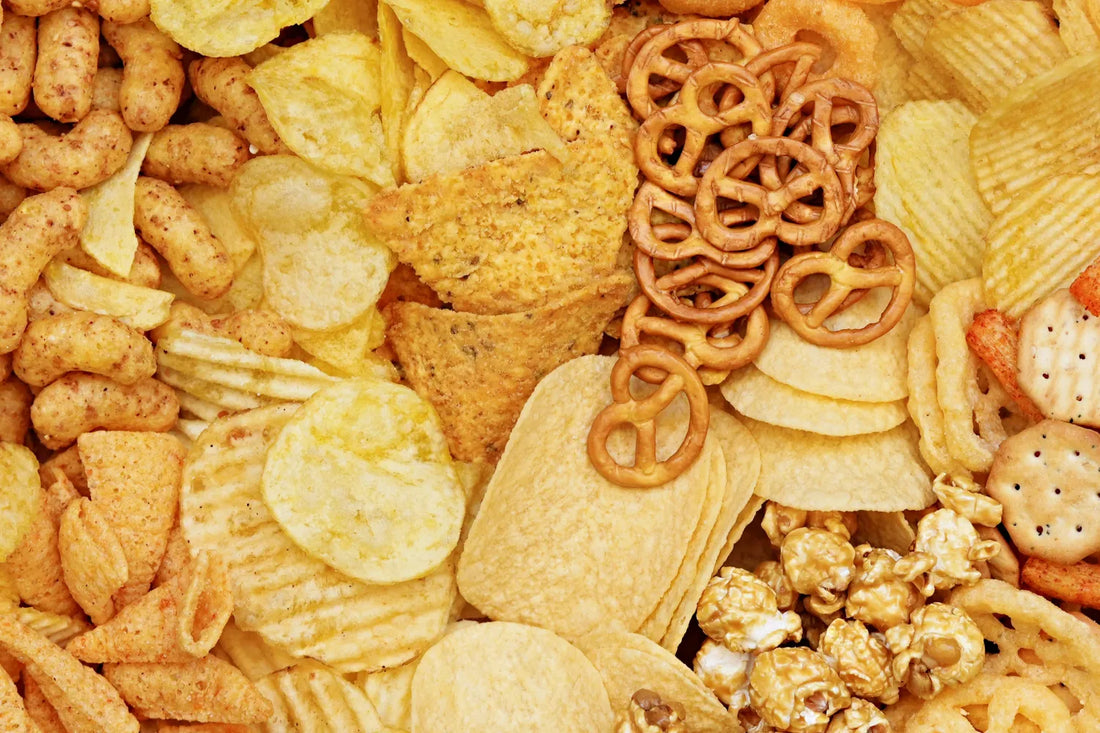
Ultraprocessed foods are those heavily engineered snacks and meals that rely on additives, refined oils, sugars, and preservatives. Think chips, packaged pastries, fast food, and sugary cereals.
On GLP-1s, these foods often feel unsatisfying and harder to digest, while also crowding out the nutrients your body still needs as portions shrink. Over time, leaning too heavily on ultraprocessed foods can increase the risk of fatigue and micronutrient gaps.
Simple swaps like Greek yogurt, nuts, fruit, or cottage cheese tend to be easier on digestion and more supportive of steady energy.
7. Gas-Producing Foods
Some of the healthiest foods can also cause discomfort when digestion slows. Beans, lentils, broccoli, cauliflower, and Brussels sprouts are nutritious but naturally gas-producing.
On GLP-1s, these foods may need a gentler approach. Cooking methods matter. Steaming vegetables, soaking legumes, or eating smaller portions can make a big difference. For many people, it’s not about eliminating these foods but easing them back in slowly.
8. Starchy Fruits and Vegetables
Starchy produce like potatoes, corn, ripe bananas, and mangoes contains more natural carbohydrates and sugars than non-starchy options. In large amounts, these foods can work against blood sugar goals or slow weight loss progress.
Lower-carb fruits and vegetables, such as berries, leafy greens, zucchini, and cucumbers, tend to feel lighter and easier to tolerate while still providing fiber and micronutrients.
9. Acidic Foods
Acidic foods can be sneaky triggers for nausea or reflux on GLP-1s. Citrus fruits, tomatoes, vinegar-based dressings, and marinades may irritate the stomach lining for some people, especially when appetite is low and meals are smaller.
If heartburn or queasiness occurs after consuming acidic foods, moderating intake can help.
10. Large Meals
Meal size matters just as much as food choice on GLP-1 medications. Because digestion is slower, large meals can lead to prolonged fullness, pressure, and discomfort.
Smaller, more frequent meals tend to feel better and support steadier nutrient intake throughout the day.
Replenza: Nutritional Support for GLP-1 Users
When appetite drops and food tolerance shifts, nutritional gaps can appear quickly.
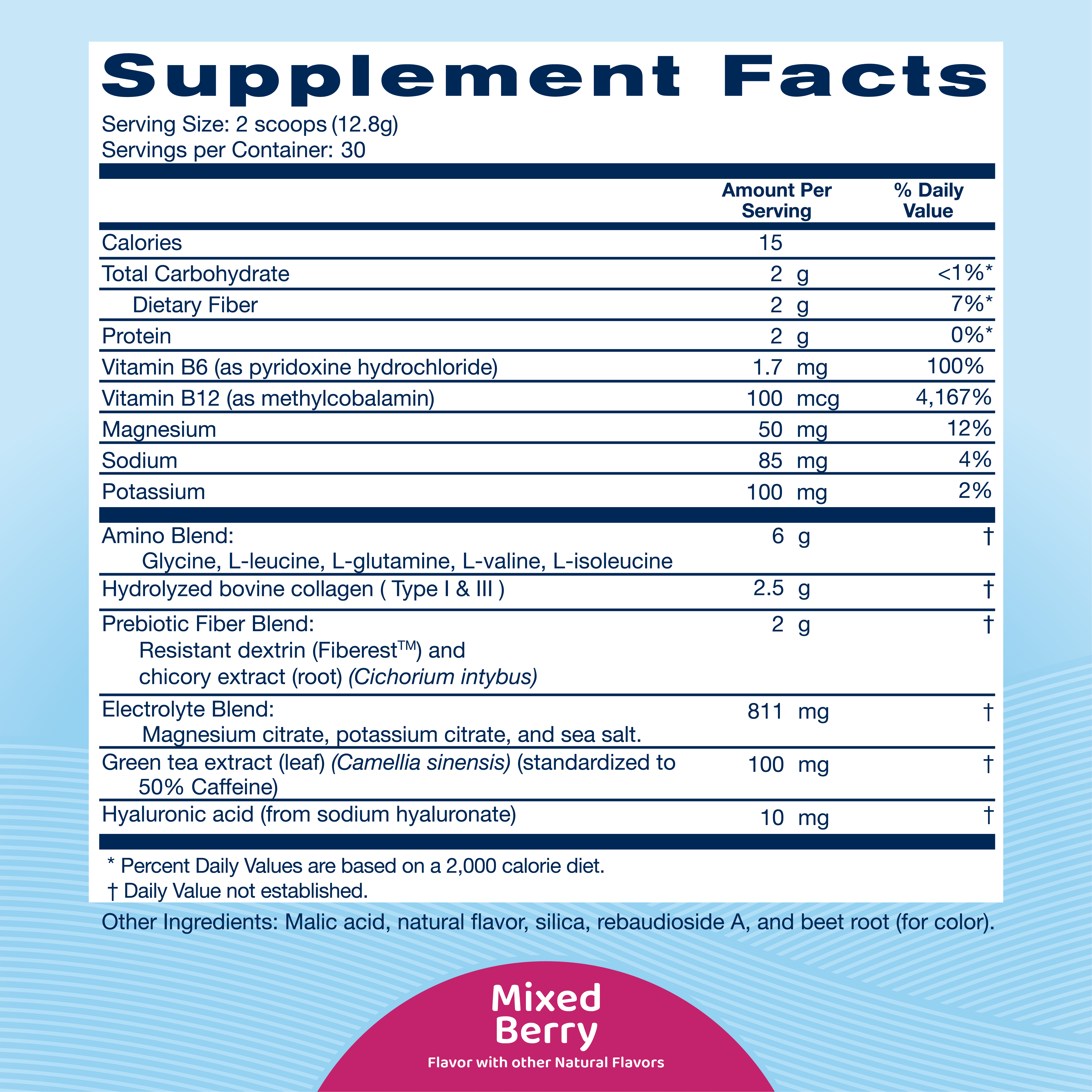
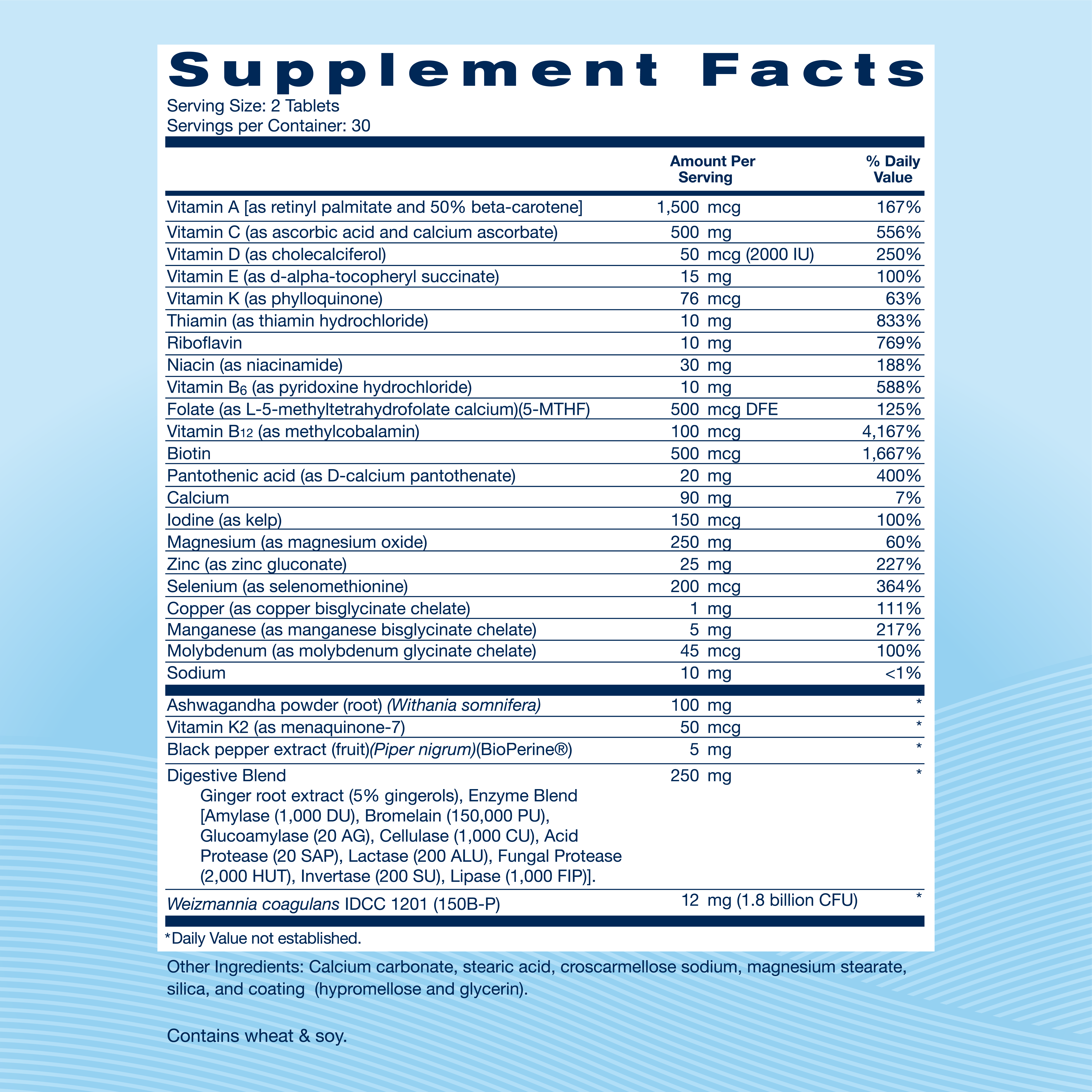
Replenza was formulated specifically for people on GLP-1 medications. It’s NSF-certified and physician-formulated to support users navigating reduced intake, food aversions, and digestive changes.
By delivering essential nutrients, digestive support, and muscle-focused ingredients via our Daily Replenisher and Daily Nutritional Supplement, Replenza helps bridge the gap between what you’re eating and what your body still needs.
FAQs
What high-fat foods should I avoid while on GLP-1 medications?
Fried foods, pizza, bacon, sausage, burgers, ice cream, and full-fat dairy are common triggers because they sit longer in the stomach and can worsen nausea, reflux, and bloating when GLP-1s slow digestion.
Why should sugary foods and drinks be limited on GLP-1s?
Sugary foods and beverages cause quick blood sugar spikes followed by crashes, which can intensify dizziness, nausea, and fatigue while working against GLP-1 blood sugar-stabilizing effects.
How does alcohol affect GLP-1 medication effectiveness?
Alcohol can increase digestive side effects, contribute to dehydration, and interfere with blood sugar control, which is why many GLP-1 users feel best minimizing or avoiding it.
What meal timing and portion strategies help manage GLP-1 side effects?
Smaller portions eaten more frequently tend to feel better than large meals, especially when paired with lighter foods earlier in the day and fewer rich or high-fat foods at night.
Sources:
GLP-1 Diet: Foods to Eat and Foods to Avoid | Healthline
Foods to Avoid While on GLP-1 Medications | Dramamine
GLP-1 Diet Guidance | Cleveland Clinic
Many people using GLP-1 weight loss drugs may not be eating enough nutritious food | UCHealth
Taking a GLP-1? Here are foods to limit — and what to prioritize | Health OSU
GLP-1 Weight Loss Medications: Safety, Diet and Side Effects | PCOM
References & Links
Internal Link Candidates (sorted by relevance)
https://www.replenzalabs.com/blogs/news/why-your-glp-1-diet-failshttps://www.replenzalabs.com/blogs/news/digestive-support-for-glp-1-usershttps://www.replenzalabs.com/blogs/news/holiday-fitness-and-diet-tips-while-on-a-glp-1https://www.replenzalabs.com/blogs/news/why-nutritional-support-matters-when-on-a-glp-1https://www.replenzalabs.com/blogs/news/best-protein-sources-for-glp1-weight-losshttps://www.replenzalabs.com/blogs/news/healthy-summer-recipes-for-glp-1-usershttps://www.replenzalabs.com/blogs/news/3-tips-for-overcoming-low-energy-when-taking-glp-1s-4https://www.replenzalabs.com/blogs/news/feed-your-muscles-high-protein-glp-1-recipeshttps://www.replenzalabs.com/blogs/news/ways-to-prevent-muscle-loss-on-glp-1-medicationshttps://www.replenzalabs.com/pages/faq
External references
[1] healthline.com. GLP-1 Diet: What to Eat (and Avoid) With GLP-1 Medications. https://www.healthline.com/health/nutrition/glp-1-diet
[2] dramamine.com. Foods To Avoid While Taking GLP-1 Medications. https://www.dramamine.com/blog/foods-to-avoid-while-glp-1-medications
[3] aarp.org. What to Eat and What to Avoid While Taking GLP-1 Drugs. https://www.aarp.org/health/healthy-living/what-to-eat-on-weight-loss-drugs/
[4] my.clevelandclinic.org. GLP-1 Diet. https://my.clevelandclinic.org/watch/glp-1-diet
[5] uchealth.org. Why Nutrition Is Even More Vital When Taking GLP-1 Weight Loss Drugs. https://www.uchealth.org/today/nutrition-vital-when-taking-glp-1-weight-loss-drugs/
[6] health.osu.edu. GLP-1s: Foods to Limit for Weight Loss. https://health.osu.edu/wellness/exercise-and-nutrition/glp1-foods-to-limit
[7] pcom.edu. Safety, Benefits and Side Effects of GLP-1 Weight Loss Medications. https://www.pcom.edu/south-georgia/news/safety-benefits-and-side-effects-of-glp-1-weight-loss-medications.html