Ways To Prevent Muscle Loss on GLP-1 Medications
Share
Many people feel incredible changes on their GLP-1 journey — but along with all that excitement comes questions about preserving muscle health and strength.
The goal isn’t just to lose, but to feel capable, energized, and confident in your body as it changes. This is exactly where the right support makes all the difference. Read on to learn how to protect your muscles while your GLP-1 does the rest.
What To Know About Muscle Loss on GLP-1 Medications
GLP-1 medications, like semaglutide and tirzepatide, work by mimicking a natural hormone called glucagon-like peptide-1. They help regulate blood sugar, slow digestion, and curb appetite, powerful tools for both diabetes management and weight loss. However, when weight drops quickly, your body doesn’t just burn fat. It can also start breaking down lean tissue, including muscle.
That’s where the challenge begins. Muscle isn’t just about strength — it supports your metabolism, balance, and overall function. Losing too much can leave you feeling weaker, more fatigued, and less steady over time. In some cases, rapid muscle loss can also affect bone density, which is why building and maintaining strength becomes just as important as watching the number on the scale.
When we talk about “quality weight loss,” we mean a higher ratio of fat loss to muscle retention. Preserving muscle helps your body stay strong, energized, and better equipped to maintain results once your GLP-1 journey stabilizes.
Optimize Protein Intake for Muscle Preservation
When you’re eating less on a GLP-1, protein becomes the star of the show. It’s what your body uses to repair and rebuild tissue, keeping your muscles active and strong while your appetite naturally shifts.
In simple terms, protein intake is just the amount of protein you eat in a day. During GLP-1 therapy, aiming for 1.2-2.0 grams of protein per kilogram of body weight can help your muscles stay in maintenance mode instead of breakdown mode. Spread that amount across meals so your body gets a steady stream of amino acids throughout the day.
Not sure where to start? Here are easy, protein-rich staples to keep in rotation:
- Lean meats: chicken, turkey, lean beef, fish
- Dairy: Greek yogurt, cottage cheese, milk
- Plant-based options: lentils, edamame, tofu, beans
- Snacks: nuts, seeds, boiled eggs, protein shakes
If you find it tough to hit your daily target, especially when your appetite feels low, that’s where smart supplementation helps. Replenza’s physician-formulated supplements are designed to give GLP-1 users targeted support for muscle, energy, and recovery, so you can stay nourished and strong while your body adjusts.
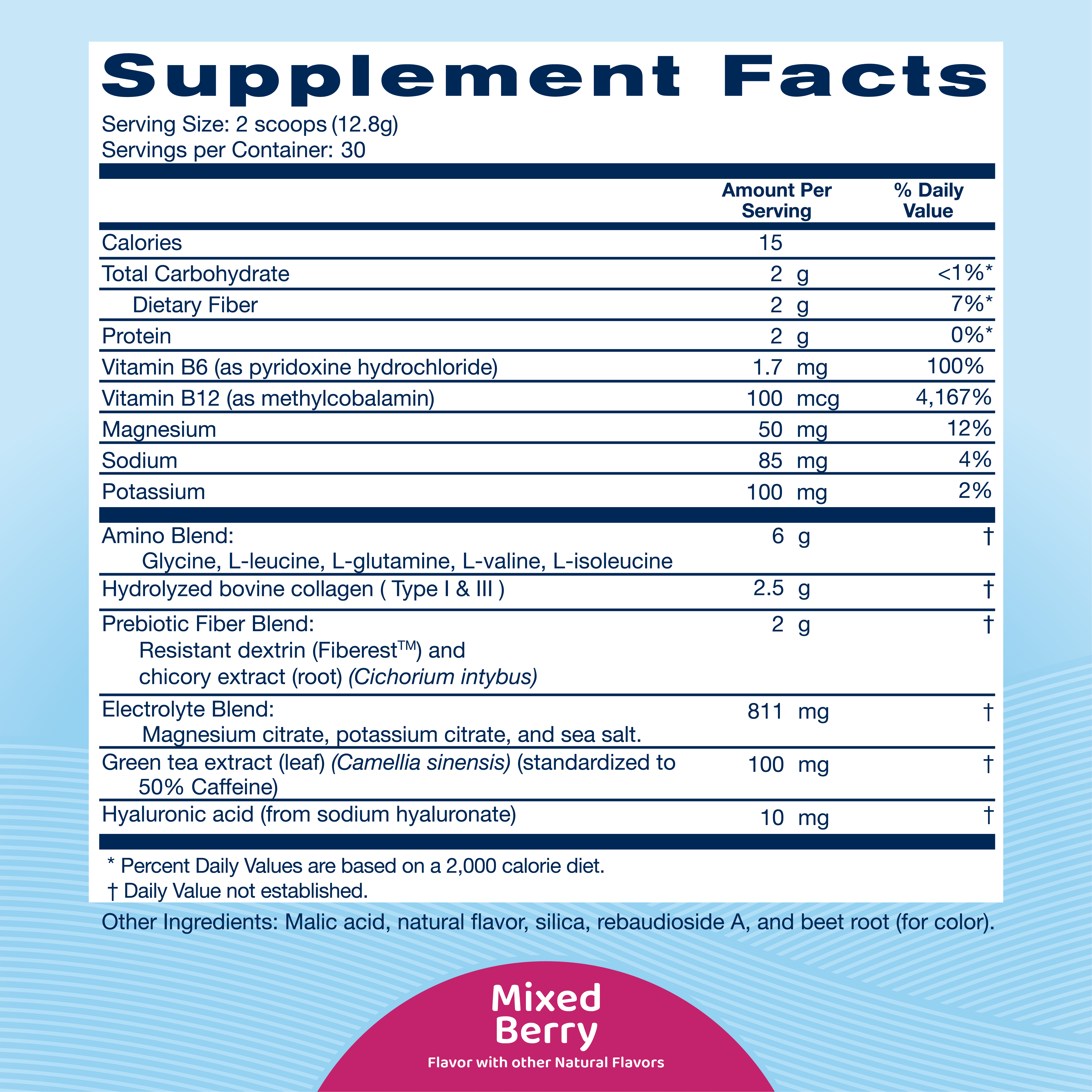
Replenza offers a simple supplement designed for life on GLP-1s. The Daily Replenisher is a powder drink mix you stir into water, delivering BCAAs for muscle support, prebiotics for gut comfort, collagen for skin elasticity, and electrolytes for easy hydration, which is ideal when appetite is low.
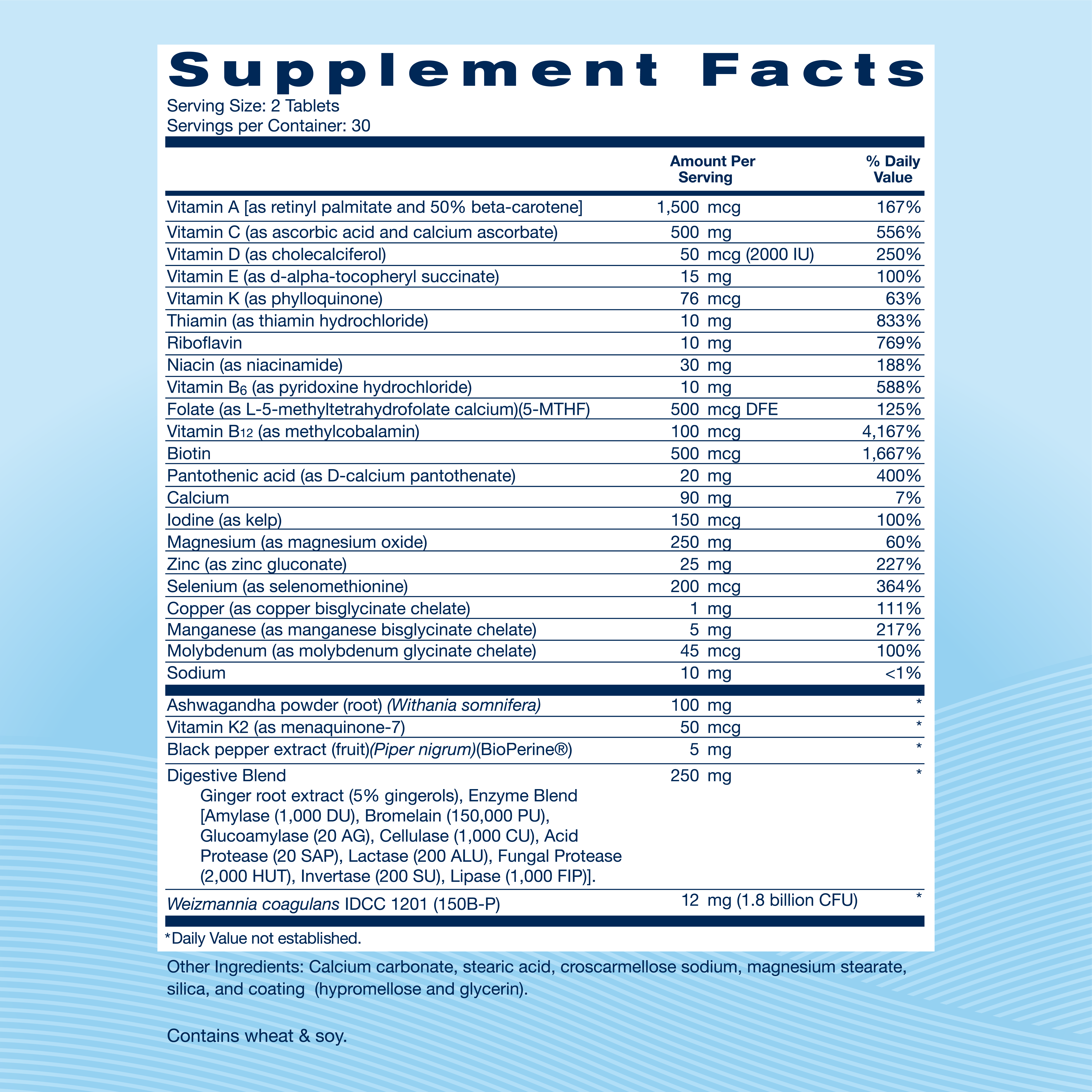
The Daily Nutritional Supplement pairs perfectly with it: two tablets contain 22 essential vitamins and minerals, a probiotic, digestive enzymes, B-complex for energy metabolism, ashwagandha for stress support, and BioPerine to aid absorption.
Used together, they act like a daily nutrient safety net that complements protein, regular movement, and sustainable habits.
Incorporate Regular Strength Training
Protein provides your body with the building blocks, but strength training instructs your muscles on how to utilize them. Strength training simply means any activity that challenges your muscles using resistance, whether that’s your own body weight, bands, or dumbbells.
Aim for at least two strength sessions per week. Even short workouts can make a noticeable difference in muscle tone, balance, and energy levels. Resistance training also benefits your metabolism and bone health, which is especially valuable while taking GLP-1 medications.
Here are a few easy ways to get started:
-
At home: Bodyweight squats, wall sits, push-ups, tricep dips on a chair, planks, or resistance band rows.
- At the gym: Leg press, chest press, cable pull-downs, shoulder press, deadlifts, or free-weight circuits.
Track your progress with something simple, like noting how many reps you complete or how heavy you lift. Over time, this gradual improvement adds up to increased strength, greater stability, and a better foundation for your GLP-1 results.
Maintain Consistent Aerobic Activity
Strength training helps you build, but aerobic movement keeps everything running smoothly. Aerobic activity simply means any exercise that raises your heart rate for an extended period, like brisk walking, swimming, or running. It supports cardiovascular health, improves stamina, and helps preserve lean mass as your body adjusts to GLP-1 therapy.
The goal is 150 minutes of moderate-intensity activity each week, but that doesn’t have to mean long workouts. Three 10-minute walks a day, a weekend bike ride, or a quick dance class all count.
What matters most is consistency. When you move regularly, you help protect both muscle and bone while boosting energy and mood — two things that can fluctuate when your calorie intake changes.
Start where you are and build gradually. Small, steady increases in time or intensity are safer and more effective than big leaps. The more consistent your movement, the easier it becomes to maintain strength, support your heart, and feel fully in sync with your GLP-1 journey.
Consult Physical Therapy Professionals
Sometimes, the best next step is getting a little expert backup. Physical therapists can be game-changers for anyone on a GLP-1 medication, especially if you’re new to exercise or dealing with joint or mobility concerns. Their job is to help you build strength safely, improve balance, and protect your body as it changes.
A licensed physical therapist can create a personalized plan that matches your current fitness level and adapts as you progress. They look at the full picture to make sure every workout supports your long-term goals. This kind of guided approach helps reduce injury risk and keeps motivation high when consistency starts to dip.
Here’s what that kind of support can include:
-
Musculoskeletal assessment: Evaluating strength, flexibility, and alignment to find areas that need extra attention
-
Customized programs: Targeted plans to build muscle, improve balance, and protect bone health
-
Progress monitoring: Tracking improvements and adjusting exercises as your body changes
- Technique correction: Helping you move efficiently so every rep counts
If you’ve never worked with a trainer or feel unsure about where to begin, starting with a physical therapist can set you up for success.
Monitor Progress and Adjust Your Plan
The truth is, no health plan stays perfect forever, and that’s a good thing. Your body adapts, your schedule changes, and your goals evolve as you move through your GLP-1 journey. The key to lasting results is staying flexible and checking in regularly with yourself to make sure your plan still fits your needs.
Start simple: track how strong you feel.
- Can you lift a little more than last month?
- Do your workouts feel smoother?
- Is your energy improving?
These small markers say more about progress than the scale ever could. If you’re using fitness apps or smart devices, log your reps, weights, or steps so you can literally see your wins stack up.
Body composition tracking can also help. Some GLP-1 users use smart scales, in-body scanners, or even tape measurements to keep tabs on muscle vs. fat changes. You don’t need to obsess over numbers; just look for steady strength and stability over time.
Every few weeks, review your protein intake and movement routine. If you notice plateaus or feel extra fatigue, it may be time to tweak your meals or try new types of resistance training.
To keep motivation high, set monthly check-ins or reminders to celebrate wins (big or small). Maybe your form improved, or you finally hit your protein target every day this week. Write it down. Track it. Give yourself credit.
Stay Engaged With Your Healthcare Team
Your healthcare providers are your partners in making the journey work for you. Keeping an open line of communication helps you stay ahead of changes, spot issues early, and fine-tune your plan as your body adjusts.
If you ever notice unusual weakness, persistent fatigue, or a plateau that feels off, bring it up right away. These can be signs that your body needs a nutrition or exercise adjustment, and your provider can help you find the right next step, whether that’s tweaking your meal plan, adding physical therapy, or adjusting your dosage.
It also helps to come prepared. Write down your questions before each appointment:
- How can I maintain or build more muscle while on this medication?
- Do my current protein and activity levels look right for my goals?
- Would any supplements or additional support benefit me right now?
Your care team can help interpret lab results, review supplements like Replenza for compatibility, and recommend safe, effective adjustments to keep you feeling strong and balanced.
Think of these check-ins as progress meetings. The more you share, the better your team can tailor your plan to help you protect your strength, stay energized, and feel confident throughout your GLP-1 journey.
Protecting Your Strength on GLP-1
At Replenza, we believe strength is the foundation for every goal that follows. Your GLP-1 journey is helping your body transform in incredible ways, but true success means feeling energized, capable, and confident through it all.
When you nourish your body with enough protein, stay consistent with movement, and tune in to how your muscles feel, you give your body what it needs to thrive. That’s where Replenza fits in.
Our physician-formulated supplements are designed to help GLP-1 users stay nourished and supported, delivering the vitamins, minerals, and nutrients that keep your strength front and center.
Progress should feel sustainable, and with the right daily support, it can. Stay strong, balanced, and replenished with Replenza’s GLP-1 Nutritional Support.
FAQs
How can I prevent muscle loss while taking GLP-1 medications?
To help preserve muscle while on GLP-1 medications, focus on eating enough protein and making strength training part of your regular routine. Even short resistance workouts a few times a week can make a real difference.
What type of exercise best helps maintain muscle mass?
Resistance training is the gold standard. That includes anything that challenges your muscles (like bodyweight exercises, resistance bands, or weight lifting) done at least twice a week.
How much protein should I consume to support muscle preservation?
Most adults benefit from 1.2-2.0 grams of protein per kilogram of body weight each day, spaced evenly across meals to keep muscles fed and supported.
Are dietary supplements helpful for preventing muscle loss?
Supplements can be helpful if you’re struggling to meet your protein or nutrient needs through food, but it’s best to talk with your healthcare provider first. Products designed for GLP-1 users, like Replenza, can offer targeted support for energy and recovery.
Is some muscle loss expected during GLP-1 treatment?
A small amount of lean muscle loss can occur during significant weight changes, but with sufficient protein, regular exercise, and strength training, you can maintain your muscle strength and achieve sustainable results.
Sources:
GLP-1 medications explained: Benefits, risks, and how they work | Baylor Scott & White Health
GLP-1 receptor agonists and sarcopenia: Weight loss at a cost? | PubMed
GLP-1 medication and muscle loss: 4 tips for preventing muscle loss | Teladoc Health
Exercise and Bone Health - OrthoInfo | AAOS
American Heart Association Recommendations for Physical Activity in Adults and Kids | AHA