Why Your GLP-1 Diet Fails and How To Fix It
Share
GLP-1 meds can kick-start weight loss, but it’s common to hit a plateau or even pause treatment. The “why” is usually a mix of mindset, habits, body changes, and how the medication is used.
When you understand which piece is tripping you up (and add simple nutritional support and behavior tweaks), you can turn early wins into progress that actually lasts.
What Causes a GLP-1 Diet To Stall?
When GLP-1 treatment appears to stall, it’s typically a combination of factors at work:
- Mindset : Big, fast-weight-loss expectations and eating for comfort can derail progress. Gently reset goals and notice triggers so choices match the result you want.
- Tracking and habits: Appetite suppression can create a false sense of security, sometimes contributing to mindless eating, portion creep, or poor food choices. Watching your intake consistently can help reveal whether your calories or food quality have crept up.
- Body changes: As you lose weight, your metabolism and hormones adapt, so the same plan works less over time. Tweak your calories, protein, fiber, and movement to maintain momentum.
- Medication : Tolerance, side effects (like nausea and bathroom issues), or not-quite-right dosing can hinder benefits. Side effects can also drain nutrition and motivation, so adjust timing, dose, and explore options with your clinician.
Small, gentle adjustments can add up to steady, sustainable progress.
How To Fix a Stalled GLP-1 Diet
Hitting a plateau on a GLP-1 plan is common — and fixable. Below are a few simple, targeted modifications to your habits, nutrition, and medication routine to help you restart progress without burning out.
Reset Your Expectations
Plateaus are part of the process, not proof you’re failing. When you reset expectations from fast and linear to steady and bumpy, you take pressure off, reduce all-or-nothing thinking, and make room for small fixes that actually stick.
A simpler target, like one to two pounds per week or simply maintaining during dose changes, can help you keep motivation alive while your body adapts.
Clear, realistic goals also sharpen your plan. You’re more likely to log meals, prioritize protein, sleep enough, and exercise twice a week when success isn’t defined by today’s scale number. Resetting expectations turns a stall into feedback, not a dead end.
Incorporate Weight Training
Weight training is one of the quickest ways to get through a GLP-1 plateau.
Lifting preserves and builds lean muscle, which keeps your resting metabolism higher. In other words, the same calories go further.
Weight training can also improve insulin sensitivity, steady appetite signals, and reshape your body even when the scale moves slowly. Start with two to three short sessions a week, focusing on big, beginner-friendly moves (squats, presses, rows, and hinges) plus a bit of core exercise.
Use weights you can control, add a rep or a few pounds when it feels easy, and track it. Stronger muscles, better posture, and more energy can all make every other habit easier.
Set Protein, Fiber, and Fluid Targets
Clear nutrient targets can help you make the most of GLP-1 benefits and protect your health during reduced food intake:
- Protein : Generally, it’s helpful to aim for 0.8-1.2 g of protein per kg body weight daily — higher if you're active. Prioritize protein to preserve lean mass, boost thermogenesis, and increase satiety. Focus on lean meats, fish, eggs, dairy, and legumes, and distribute protein across meals to maximize muscle protein synthesis.
- Fiber : Target 25-35 grams of fiber each day to support digestion and feelings of fullness. Soluble fibers (oats, beans, fruits) tend to be easier to tolerate. Aim to introduce fiber gradually to minimize any GI side effects from your medication.
- Fluids : Aim for at least 8-10 glasses (more if symptomatic) and sip between meals rather than gulping during meals to reduce nausea. Proper hydration supports metabolism and helps reduce fatigue that might be mistaken for intolerance.
Choose Your GLP-1-Friendly Meal Pattern
Here’s a doable way to think about meal timing on a GLP-1:
- Match your meals to your appetite and routine: Pick a pattern that feels calm on your stomach and easy to stick with.
- Three meals a day: This is great if you like structure. Make each one protein- and fiber-rich.
- Intermittent fasting (16:8): Intermittent fasting can feel easier with a lower appetite. Just be sure you still hit your protein, vitamins/minerals, and fluids during the eating window.
- Smaller, more frequent meals: If you get nausea or GI discomfort, try four to six mini-meals that are gentle and nutrient-dense.
No matter the pattern:
- Crowd out filler foods: Sugary, highly processed snacks can push out the nutrients you need when appetite is low.
- Balance your plate: Build your plate around lean protein, add complex carbs (like quinoa, sweet potatoes, or brown rice) for steady energy, and use small amounts of healthy fats (avocado, nuts, olive oil) for fullness. Keep it light on fats if they worsen nausea, as they can slow stomach emptying.
- Choose easy-to-digest, calming options: Cooked veggies, soups, and stews are great options, and mixing some ginger in can help with queasiness.
Experiment with timing around injection days to see when you feel best.
Build Low-Volume, High-Nutrition Meals
When you have a reduced appetite, it’s important to prioritize nutrient density over volume.
Pick compact, nutrient-rich foods like eggs, Greek yogurt, salmon, leafy greens, legumes, and fortified options. These provide protein, healthy fats, vitamins, and minerals in small servings. Prep your protein components and batch-cook soups or stews to make balanced meals quick and digestible.
Use supplements to fill common dietary gaps — just be sure to consult your healthcare provider first.
At Replenza, our two-part system pairs a Daily Replenisher drink with a Daily Nutritional Supplement to support people on GLP-1s.
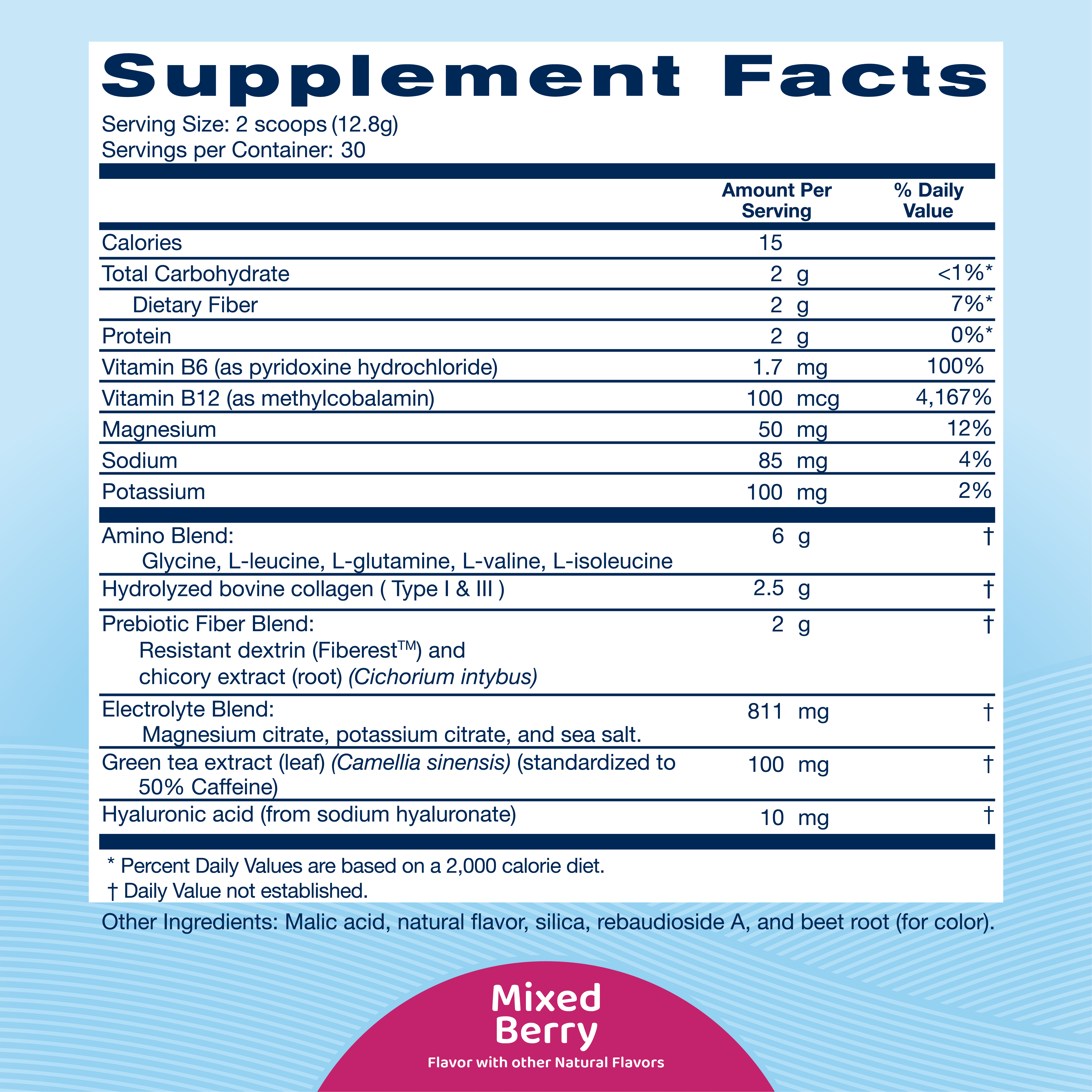
The Daily Replenisher is a mixed berry-flavored powder you mix with water, delivering BCAAs, prebiotics, collagen, and electrolytes for easy hydration, gut comfort, and muscle support.
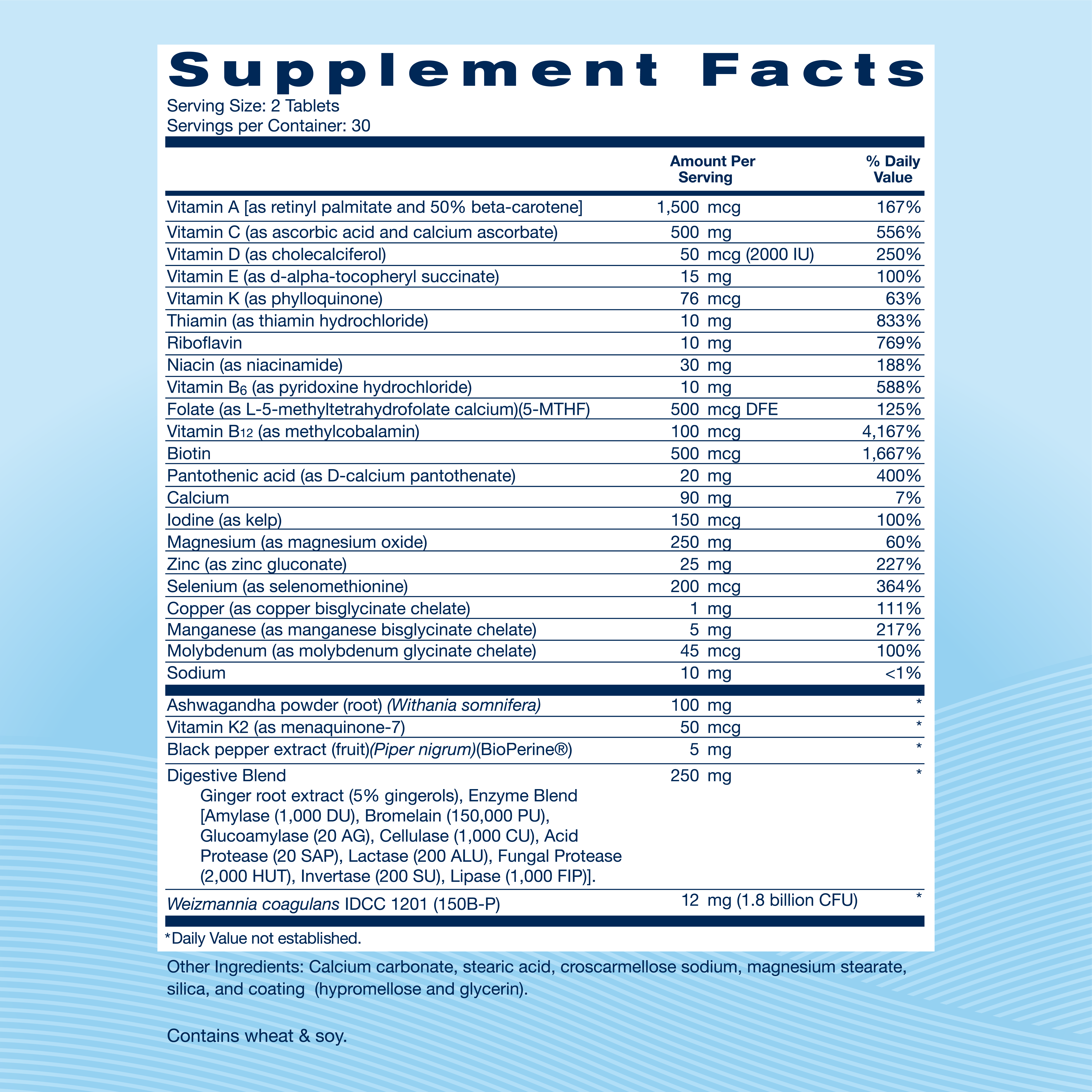
The Daily Nutritional Supplement is a once-daily tablet blend with 22 vitamins and minerals, a probiotic plus digestive enzymes, B-complex and ashwagandha, and BioPerine® to aid absorption.
Used together, they act like a simple daily nutrient safety net while your appetite is lower on GLP-1 therapy.
Keep Your Sleep On Track
Sleep is another plateau-buster. When you get seven to nine hours of sleep, hunger hormones (ghrelin/leptin) steady out, cravings drop, and it’s easier to notice real fullness — which is key when you’re on a GLP-1 and your appetite cues feel muted but confusing.
Good sleep also sharpens willpower and mood, so logging meals, lifting weights, and cooking simple protein all feel a little bit easier and more manageable.
Recovery sleep also helps you keep muscle, which supports metabolism as weight falls. Start simple with consistent bed/wake times, a dark and cool room, no caffeine late in the day, a solid wind-down routine, and no screens 30-60 minutes before bed.
Troubleshoot Side Effects
Having a simple system for side effects and plateaus keeps you on track and feeling better. Many people stop their GLP-1 early because symptoms aren’t managed — but yours don’t have to be.
- Nausea : Try smaller, more frequent meals, stick to bland, easy-to-digest foods, sip fluids slowly, and consider ginger (tea or capsules). If nausea keeps hanging around, ask your provider about dose timing, dose changes, or anti-nausea meds.
- Diarrhea and constipation: For diarrhea, choose gentle, binding foods, hydrate, and consider a probiotic. For constipation, add fiber gradually, drink more water, and include light movement. Both usually ease as your body adapts.
- Stubborn plateaus : If the scale hasn’t moved for four to six weeks despite consistency, talk with your clinician about dosing or other options.
- Red flags: Get urgent care for persistent vomiting, severe belly pain, or signs of dehydration.
The Bottom Line
Lasting results come from small, repeatable choices that work on your hungriest days and your low-appetite ones. If your progress has stalled, check these four buckets: mindset, habits, body, and meds.
Everything from sleep to hydration, weight training, and your meal schedule can impact your weight loss achievements, and small changes along the way can make a big difference when you’ve hit a plateau.
When you need a bit of extra support, lean on Replenza for daily nutrition supplements that cover your bases. That’s how you turn an early GLP-1 win into a sustainable routine you trust, with more energy, stronger muscles, and a calmer relationship with food.
FAQs
How can you form a nutrition plan that complements appetite suppression from GLP-1s?
Focus on high-fiber vegetables, lean proteins, and complex carbs that deliver steady energy and satiety, avoid processed foods and excess sugar, and consider a registered dietitian experienced with GLP-1 therapy to personalize your plan and incorporate products like Replenza when needed.
What if I can't hit my protein target because I'm not hungry?
Use small, frequent protein-rich snacks (greek yogurt, hard-boiled eggs, protein shakes or bars) and liquid proteins, and time intake for when appetite is strongest to meet targets without large meals.
What should I eat on injection day to reduce nausea?
Choose bland, easily digestible foods, like toast, crackers, bananas, and plain rice, in small portions, sip fluids slowly, and try ginger. Experiment with eating before or after the injection to see which reduces symptoms.
How do I prevent muscle loss while losing weight on GLP-1s?
Perform resistance training to two three times weekly, meet protein targets (0.8-1.2 g/kg/day) spread across meals, include complete amino acid sources or supplements, and avoid extreme caloric restriction.
What if I plateau for three weeks?
Recalculate calorie needs for your current weight, reassess portions and food quality, vary meal timing or include a refeed, and change your exercise routine. If nothing helps after four to six weeks, consult your healthcare provider about medication adjustments or alternatives.
Sources:
Advice for trying GLP-1 drugs for weight loss from a doctor who's been there | NPR
Why Do GLP-1 Drugs Stop Working, and What to Do About It? | Keck School of Medicine | USC
Resistance training is medicine: effects of strength training on health | PubMed
Dietary fiber: Essential for a healthy diet | Mayo Clinic
How Much Sleep Do You Need? | Sleep Foundation
Workout Recovery: Sleep, Nutrition, Movement, Planning | Johns Hopkins University