2025 Expert Guide: Best Protein Sources for GLP‑1 Weight‑Loss Plans
Share
GLP‑1 drugs suppress appetite, which helps you eat less. However, the tradeoff is a higher risk of under-eating protein, losing lean muscle, and slowing your metabolism.
Here’s what to know about protein on a GLP-1, and a review of some of the best protein sources for a GLP-1 weight-loss plan.
Why Is Protein Important for a GLP-1 Weight-Loss Plan?
Prioritizing protein preserves fat-burning muscle during weight reduction, supports daily strength and recovery, steadies blood sugar, and boosts satiety so that you can comfortably stick with smaller portions. It also helps mitigate common side effects of GLP-1 drugs, as protein-rich meals are typically more satisfying and easier to tolerate than ultra-processed carbs.
With the right choices, you’ll protect your muscles, keep your energy up, and make every bite count while GLP-1s do their job.
How Much Protein Do GLP‑1 Users Need?
GLP‑1 treatment reduces stomach capacity and appetite, which means smaller, frequent protein servings are important. Generally, experts recommend 15-30 grams of protein per serving and a daily target of 0.8-1.2 g/kg body weight.
Spreading out your protein across multiple 15-30 g servings can help improve tolerance and muscle protein synthesis.
|
Body Weight |
Daily Protein Range |
Servings Needed |
|
50 kg (110 lbs) |
40-60 g |
2-3 servings |
|
60 kg (132 lbs) |
48-72 g |
2-4 servings |
|
70 kg (154 lbs) |
56-84 g |
3-4 servings |
|
80 kg (176 lbs) |
64-96 g |
3-5 servings |
How Does Protein Intake Affect Muscle Loss Risk?
Protein intake below ~0.8 g/kg increases muscle catabolism during rapid weight loss. Making sure you’re meeting 20-30 g of protein per meal can substantially reduce your lean-mass loss.
Getting enough essential amino acids (especially leucine) and resistance exercise can also support muscle protein synthesis. The quality and timing of your protein intake can also directly influence muscle preservation during GLP‑1-assisted weight loss.
What Are the Best Protein Sources for GLP-1 Weight Loss Plans?
Choosing the right sources of protein helps keep you on track with your goals while also keeping you satiated, satisfied, and healthy.
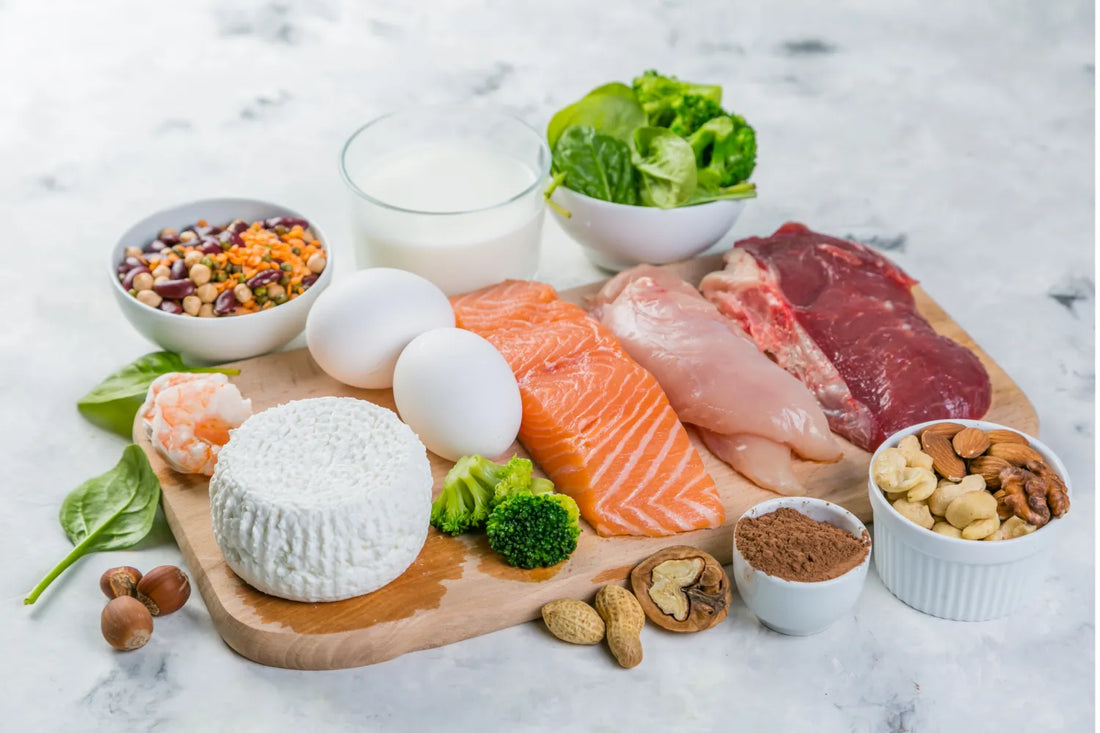
Here’s an overview of the best protein sources to support your GLP-1 weight loss journey:
- Eggs or egg whites
- Non-fat Greek yogurt
- Chicken
- White fish
- Lentils
- Pea protein or pumpkin seed protein
Eggs or Egg Whites
Eggs and egg whites are ideal proteins for a GLP-1 weight-loss plan because they’re compact, versatile, and easy to tolerate in small portions.
Each whole egg delivers about 6 grams of complete protein with leucine to help preserve lean muscle while calories stay modest. Egg whites add nearly pure protein — great for hitting targets without much fat or volume when appetite is low.
The key nutrients in whole eggs (like choline, B12, selenium, and carotenoids like lutein) help support energy, brain, and eye health as you lose weight. For most people, one egg a day fits a heart-healthy pattern.
Non-Fat Greek Yogurt
Non-fat Greek yogurt is high in protein, low in calories, and easy to portion into small, mini-meals. A ¾ or 1 cup serving typically delivers 15-20 grams of complete protein, which is enough to hit your per-meal target when appetite is low.
Its creamy texture slows eating and boosts fullness, while strained yogurt tends to be gentler on lactose. Live cultures support a healthy gut while calcium helps protect your bones during weight loss. You can opt to keep it simple with plain, unsweetened cups or add a bit of flavor using berries, cinnamon, chia, or a drizzle of peanut-powder sauce.
Chicken
Chicken is lean, concentrated, and easy to portion without feeling stuffed. Skinless breast or tenderloins give you ~25-35 g protein in a 3-4 oz cooked serving.
Choose moist, gentle textures (like poached, shredded, baked, or sous-vide) — slower stomachs handle them better than dry or fried cuts. To make life easy, you can batch-cook once, then portion your chicken into small containers you can grab all week.
Pair with produce or a little whole grain for staying power, and keep sodium in check with deli slices and sauces.
White Fish
White fish (such as cod, tilapia, haddock, pollock) is a GLP-1-friendly staple that’s packed with high-quality protein without a heavy feel.
A 4-oz cooked portion delivers roughly 20-25 g of protein to hit your mini-meal target while keeping calories and fat low. Its mild flavor and flaky texture are easy to tolerate when appetite is down, and gentle cooking methods, like poaching, steaming, or baking, can keep it moist for slower stomachs.
Plus, bonus nutrients like selenium, B12, and iodine also support metabolic and thyroid health.
Lentils
Lentils are another fantastic choice — a ½-cup cooked scoop brings ~9 g protein, plus plenty of fiber to keep you full. That fiber also slows digestion, helping steady blood sugar while your appetite is lower.
For a complete amino acid profile, enjoy them across the day with grains or seeds (like lentil soup with a bit of rice or a quinoa-lentil bowl).
Pea or Pumpkin Seed Blends
For those on plant-based diets or looking to cut down on animal products, pea protein is a great source of BCAAs (including leucine) and is high in lysine, supporting muscle synthesis. On the other hand, pumpkin seed protein adds magnesium, zinc, and fiber.
Blended pea/pumpkin formulas can balance amino acids and include fiber and gentle sweeteners to minimize GI upset.
How To Time Your Protein for Best Results
Generally, small, steady doses are easier to tolerate with slower gastric emptying and support muscle protein synthesis all day. With that in mind, it’s helpful to try breaking up your protein intake into three to five “mini meals” throughout the day while you’re awake.
If you’re working out, aim to get 20-30 g of protein within two hours before or after training — whatever feels best for you. If eating before is uncomfortable, try a shake after.
Adjusting Portions for Progressive Weight Loss Phases
As your weight drops on a GLP-1, it’s best to rethink your protein to protect lean mass without overwhelming your stomach.
Try to recalculate your needs every four to six weeks — remember, 0.8–1.2 g/kg current body weight is typically recommended. Just try to keep per-meal doses at 15-30 g to trigger muscle protein synthesis.
On low-appetite or nauseous days, it can be helpful to favor soft or liquid options, like Greek yogurt, skyr, eggs, tofu, or shakes, and hit the lower end more often. Listen to your body and watch for cues like fatigue, hair shedding, or persistent hunger, as these can signal low protein.
What Other Nutrients Are Important While on a GLP-1?
GLP-1s help you eat less, but they also change what your body needs to feel good.
Beyond protein, it’s also important to prioritize fiber, fluids, electrolytes, and key micronutrients to keep energy, digestion, and muscle on track.
- Fiber : Aim for 20-30 grams of fiber daily from foods like berries, beans, oats, chia, and veggies. Try to increase gradually and drink plenty of water to ease constipation.
- Electrolytes : Sodium, potassium, and magnesium are crucial for supporting your hydration and reducing any feelings of fatigue.
- Omega-3s: Omega-3s from salmon, sardines, or algae oil support cardiometabolic health.
- Calcium and Vitamin D: This duo protects your bones — try to pair low-fat dairy or fortified alternatives with sunlight or a D supplement if levels are low.
- B12, Iron, and Folate: These nutrients are key for red-blood-cell production and prevent draggy workouts; monitor if you eat little meat or have heavy periods.
- Magnesium: Magnesium is a key mineral that aids sleep, digestive regularity, and muscle function.
If all of this feels a little overwhelming, we’re here to make it easy.
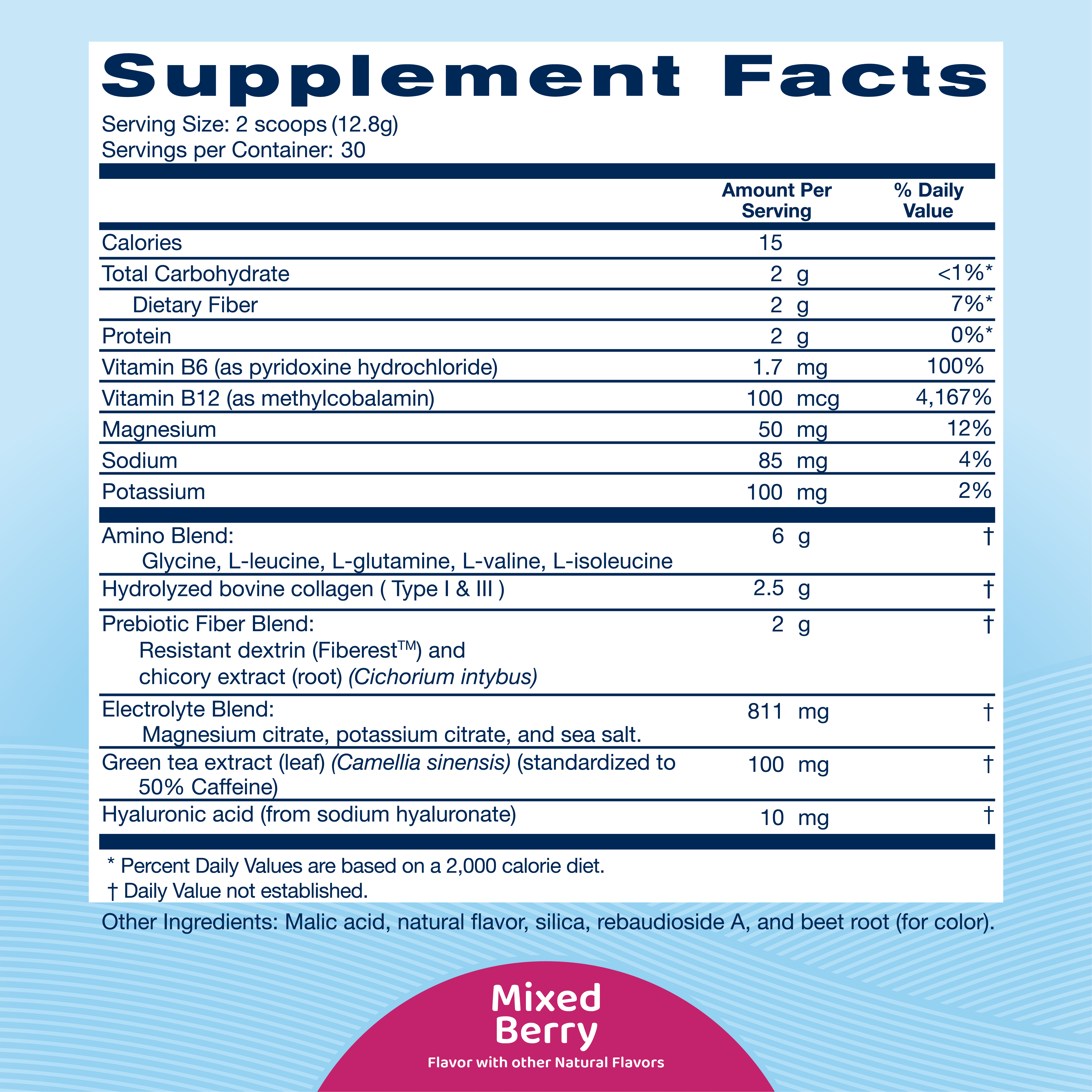
Replenza is built to make GLP-1 life simpler. Our Daily Replenisher drink mix can be easily stirred into water, featuring amino acids for muscle recovery, prebiotics for gut health, collagen for skin elasticity, and electrolytes for hydration.
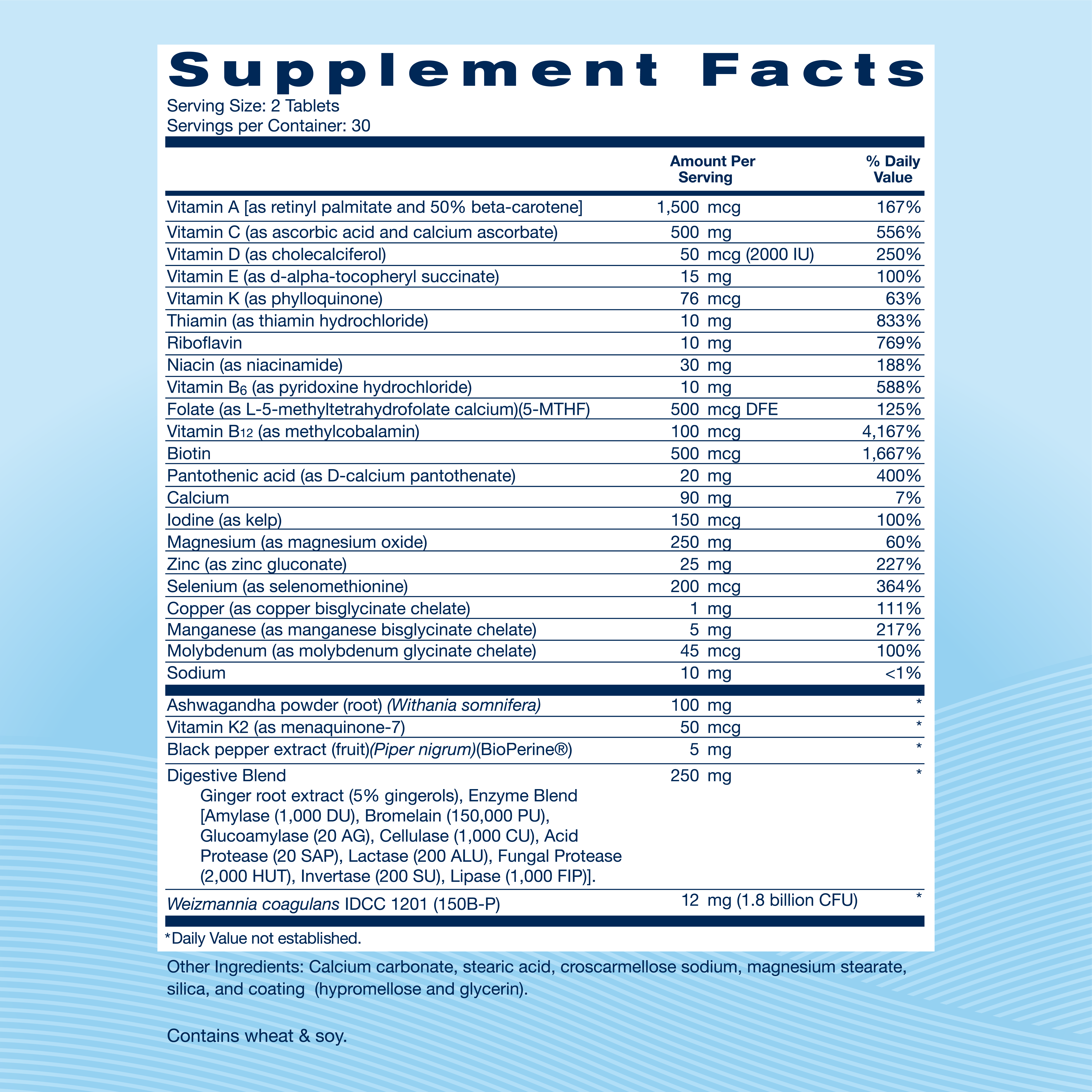
Our Daily Nutritional Supplement combines 22 essential vitamins and minerals, a probiotic + digestive enzyme blend, B-complex for energy metabolism, ashwagandha for stress support, and BioPerine® to aid absorption.
Used together, this duo functions like a daily “nutrient safety net” when your appetite is lower, helping you cover the bases while you focus on protein, movement, and sustainable habits.
The Bottom Line
On a GLP-1, protein is the foundation that preserves your lean mass, steadies energy, and helps you feel satisfied on less food.
Build your day around 15-30 g portions at meals and snacks, choosing easy-on-the-stomach options: eggs or egg whites; nonfat Greek yogurt or skyr; chicken or turkey; white fish or shrimp; tofu, tempeh, beans, and lentils.
As weight comes off, reassess your needs: aim for roughly 0.8-1.2 g/kg/day, nudging higher if you’re strength training or older. Distribute protein evenly, front-loading when appetite is best, and keep grab-and-go options handy so low appetite doesn’t turn into low protein.
Aside from protein, it’s also crucial to maintain proper intake of other key nutrients — and that’s why Replenza fits in as a daily safety net for GLP-1 journeys.
FAQs
What if I feel full too quickly when drinking a shake?
Thin the shake with water or unsweetened almond milk and sip slowly; split one serving into two smaller portions two to three hours apart, or freeze into ice cubes to consume gradually.
Can I combine multiple protein powders safely?
Yes — mixing proteins can improve amino-acid balance if total protein stays within 15-30 g per serving and sugars/additives remain acceptable.
How often should I replace meals with shakes?
Begin with one meal replacement daily in the first month, then adjust according to hunger, weight-loss progress, and tolerance; avoid exceeding two meal-replacement shakes per day to prevent nutrient gaps and support solid-food habits.
Are artificial sweeteners safe for GLP‑1 users?
Many users report increased sensitivity. Opt for stevia or monk fruit and limit sugar alcohols like erythritol and xylitol to reduce digestive upset and potential interference with medication effects.
What should I do if I experience digestive upset?
Add a protease/lipase enzyme blend, increase soluble fiber gradually over a week or two, and reduce per-serving protein while increasing frequency; consult your healthcare provider if symptoms persist or worsen.
Sources:
Effects of GLP-1 on appetite and weight | PMC
Preserving Healthy Muscle during Weight Loss | PubMed
International Society of Sports Nutrition Position Stand: protein and exercise | PubMed
Branched-chain amino acids and muscle protein synthesis in humans: myth or reality? | PMC
Calories in 1 Large Whole Egg | Nutritionix