What Is the Simplest GLP-1 Daily Routine? Quick Full Guide
Share
Key Takeaways:
- The simplest GLP-1 daily routine is protein, hydration, gentle movement, and sleep, repeated daily without overcomplicating it.
- Side effects often get easier when you eat smaller, more tolerable meals and stay hydrated consistently instead of trying to “push through.”
- A tiny daily log helps you spot patterns and make clinician check-ins more useful, which supports safer, more sustainable results.
If you’re on a GLP-1 and wondering how to make the most of your new routine, you’re not alone.
At Replenza, the goal is simple: protect your energy, protect your muscle, and make side effects less annoying so you can actually stay consistent. Here’s what to know about a simple GLP-1 daily routine you can actually stick with.
What To Know About GLP-1 Medications
GLP-1 medications like semaglutide and tirzepatide mimic a natural gut hormone that helps regulate blood sugar, lowers appetite, and slows digestion, often leading to eating less, weight loss, or improved type 2 diabetes management.
A GLP-1 (glucagon-like peptide-1) medication is a prescription drug that mimics gut hormones to regulate blood sugar, reduce appetite, and slow gastric emptying. Because GLP-1s can reduce hunger and slow gastric emptying, many people notice that smaller portions feel bigger, plus occasional GI side effects like nausea, constipation, or diarrhea.
There is no single universal GLP-1 diet that works for everyone, but many clinical sources emphasize balanced, nutrient-dense eating with a focus on protein and tolerable fiber.
When appetite drops and intake decreases, nutrient gaps and low energy are more likely, which is why a consistent routine (and targeted nutritional support) matters.
What Are the Key Pillars of a Simple GLP-1 Daily Routine?
This is the whole routine in six habits. You do not need more than this.
- Hydration: Steady fluids can help reduce constipation and make nausea feel less intense for many people.
- Protein-forward meals: Protein supports satiety and helps preserve lean muscle during weight loss.
- GI-friendly choices: Lower-fat, less spicy, less ultra-processed meals tend to be easier when your stomach is moving more slowly.
- Gentle daily movement: Short walks and light strength work support digestion, energy, and muscle preservation.
- Sleep and stress basics: A consistent wind-down helps appetite regulation, and cravings feel less chaotic for many people.
- Simple tracking and medical follow-up: Not obsessive, just enough to spot patterns and share them with your clinician.
Morning Routine: Medication, Hydration, and a Protein Breakfast
Focus on medication consistency first. Take your GLP-1 exactly as prescribed and keep your timing consistent so you are not guessing how you will feel each day.
Start with water before coffee. One big glass right away makes “I forgot to hydrate” way less likely later. Aim for a protein-forward breakfast, especially if you tend to under-eat earlier in the day.
Here are some easy breakfast options that usually feel light:
- Greek yogurt plus berries
- Eggs with a piece of toast
- A protein smoothie you can sip slowly
- Cottage cheese with fruit
A commonly recommended target is 25-35 grams of protein per meal for people trying to preserve muscle during GLP-1 weight loss.
Set your water bottle and a breakfast option out the night before so that your morning is as easy as it can be.
Midday Routine: Balanced Meals and Light Movement
Lunch is where people either stabilize their day or accidentally spiral into “I barely ate, now I feel tired and snacky.”
A simple GLP-1 lunch formula:
- Protein (chicken, fish, tofu, beans, turkey)
- Fiber-rich produce (cooked veggies count, especially if raw feels rough)
- A small carb or fat if you tolerate it (rice, quinoa, avocado, olive oil)
Clinical guidance for GLP-1 eating often emphasizes balanced plates and nutrient density over rigid restriction.
After lunch, do 10-20 minutes of light movement (walk, easy stretch, quick errands). Post-meal movement is commonly recommended to support digestion and overall routine adherence. If nausea is your issue, lunch is also where greasy, spicy, and very rich foods tend to backfire, especially early on.
Hydration Throughout the Day
A common routine target is two to three liters (8-13 cups) per day, adjusted to your needs and symptoms.
Three easy ways to make this automatic:
- Keep a visible bottle where you work or sit most
- Sip consistently, not all at once (big chugs can feel worse on GLP-1s)
- Use “backup fluids” when plain water is boring: herbal tea, broth, or a little citrus flavoring.
Hydration is frequently recommended as a constipation support strategy during GLP-1 use.
Incorporating Physical Activity for Muscle Preservation
GLP-1 weight loss can include lean mass loss if protein and resistance training are ignored, so movement is not optional if you want a strong result.
Here’s a common weekly pattern to aim for:
- Light daily movement (10-20 minutes walking is fine)
- Two or three short strength sessions (bodyweight, resistance bands, light dumbbells)
Here are a few examples that feel doable:
- 12-minute walk after lunch
- 10-minute beginner strength circuit at home
- A few sets of squats, wall push-ups, and rows with a band
Consistency matters more than intensity for most people building a sustainable GLP-1 lifestyle routine.
Evening Routine: Protein Dinner and Sleep Prep
Dinner should feel like “easy to digest” and “still nutritious,” not “a second challenge.”
Here’s an example GLP-1-friendly dinner structure:
- Protein (fish, tofu, beans, lean meat)
- Cooked veggies (roasted, steamed, sautéed)
- A small portion of carbs or healthy fats if tolerated (sweet potato, olive oil, avocado)
Heavier, late meals can worsen reflux, nausea, or that too-full feeling for some GLP-1 users because digestion is already slowed.
For sleep, aim for a consistent bedtime routine and seven to nine hours when possible. A simple wind-down (screens down, lights dim, short stretch) is often recommended for routine adherence and recovery.
Daily Tracking and Medical Follow-Up for Optimal Results
Tracking doesn’t have to be intense. You only need enough data to understand what helps you feel your best.
Here’s a simple daily checklist:
- Water: Did I sip consistently?
- Protein: Did I hit a decent amount at least twice?
- Symptoms: Am I having nausea, constipation, diarrhea, or reflux?
- Movement: Did I move at all today?
- Sleep: Did I get close to a normal bedtime?
Keeping a simple log helps identify food triggers and patterns that you can share with your clinician for safer adjustments.
How To Manage Common GLP-1 Side Effects
GLP-1 medications often cause temporary digestive changes as your body adjusts to reduced appetite and slowed stomach emptying.
- Nausea: Smaller, more frequent meals and gentle foods often help, and some people find ginger or herbal tea soothing.
- Constipation: Hydration plus light movement are commonly recommended first-line habits to support regularity.
- Diarrhea: Focus on fluids and simple, bland foods until things settle, and loop in your provider if symptoms persist.
If symptoms are severe, persistent, or getting worse, that is always a clinician conversation.
Aligning Your Routine With Your GLP-1 Medication Plan
Some GLP-1s are taken daily, others weekly, and the best routine is the one that matches your specific prescription plan. Your habits should stay consistent even if your appetite changes day to day, because routine is what keeps energy stable when intake is unpredictable.
If appetite is extremely low or fatigue is persistent, talking with a clinician or registered dietitian about food strategy and supplementation can help close gaps safely.
For general support along your GLP-1 journey, Replenza has you covered with supplements formulated specifically for GLP-1 users.
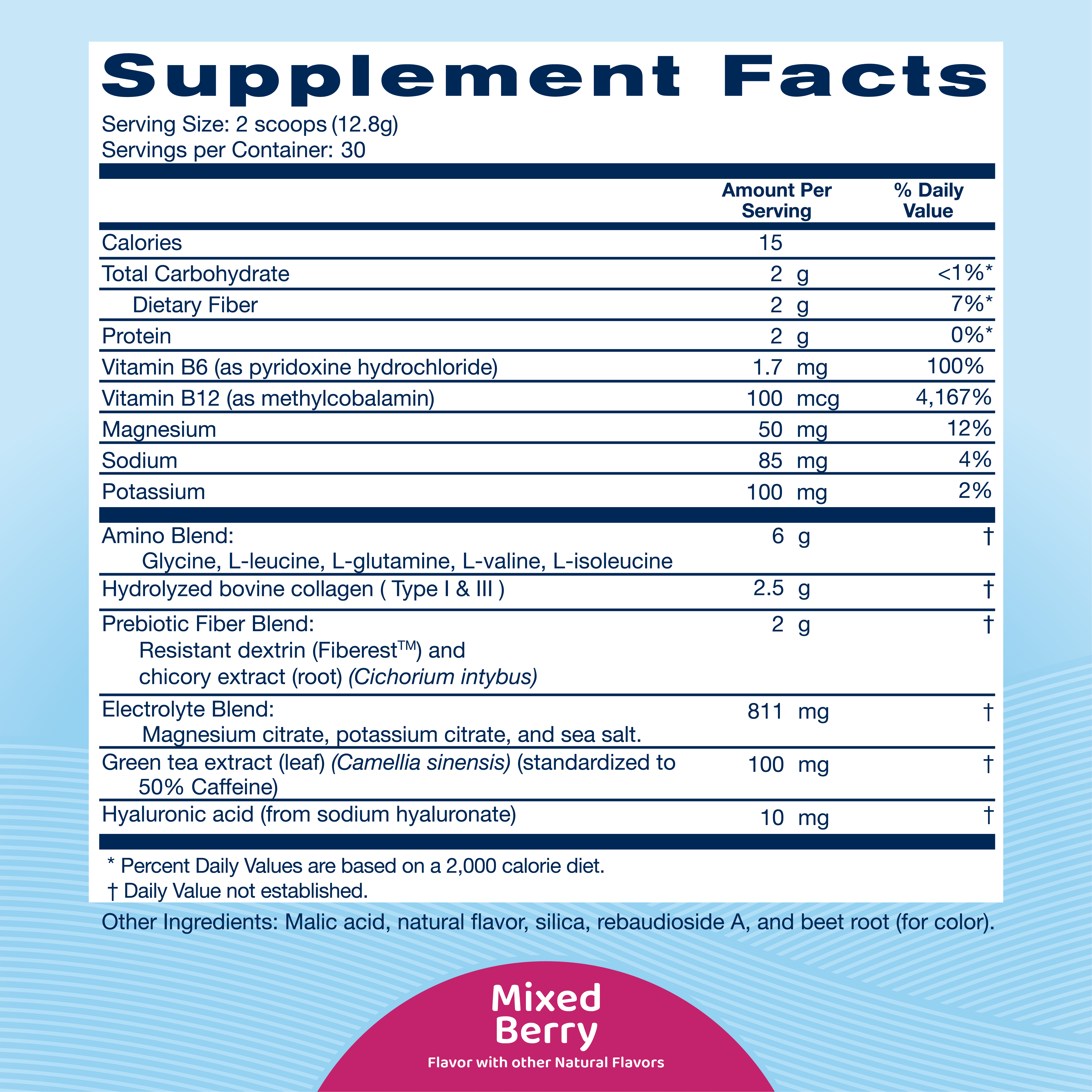
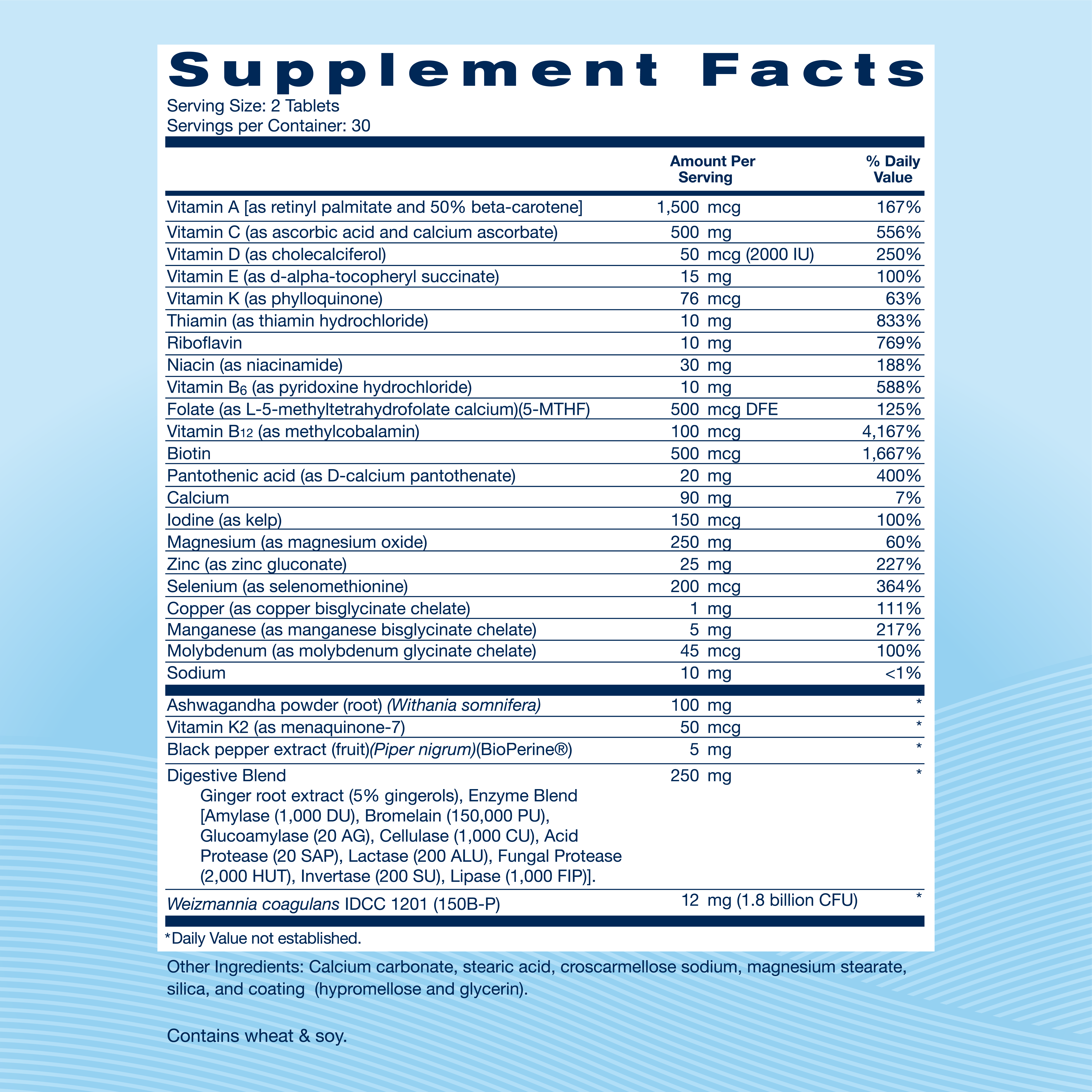
Our Daily Replenisher focuses on hydration support. It’s meant to help you stay more stable when your fluid intake is inconsistent or when you’re not getting enough electrolytes from food. Our Daily Nutritional Supplement is the foundational layer. It’s general micronutrient support to help fill common gaps when appetite is low and meals aren’t as balanced as you’d like. It’s there to make sure your baseline nutrition doesn’t fall apart while you work on protein, regular meals, and sustainable habits.
When you’re working hard to maintain your new routine, we’re here to make it easier.
FAQs
How much protein should I eat on GLP-1 medication?
Most users benefit from aiming for about 25-35 grams of protein per meal, especially to support satiety and help preserve lean muscle during weight loss.
What are the best hydration strategies to reduce nausea on GLP-1?
Sip fluids steadily through the day, aim for a consistent daily total, and consider gentle options like herbal tea if plain water is hard to tolerate.
How can gentle exercise support my weight loss while using GLP-1?
Daily light movement plus a few short strength sessions can help preserve muscle and support long-term progress during GLP-1 use.
What side effects are common with GLP-1 medications and how can I manage them?
Common side effects include nausea, constipation, and diarrhea, and many people improve with small meals, hydration, and regular light movement.
When should I consult my healthcare provider during my GLP-1 routine?
Reach out if you have severe nausea, persistent vomiting, dehydration signs, or side effects that do not improve with routine changes.
Sources:
GLP-1 Agonists | Cleveland Clinic
8 Remedies To Relieve Constipation | Bladder & Bowel Community
What 30 Grams Of Protein Looks Like For Different Types of Food | Women’s Health