Microdosing GLP 1s: What You Should Know
Share
Key Takeaways:
- Microdosing GLP-1s is an off-label practice with no formal clinical studies supporting safety or effectiveness.
- People explore microdosed regimens for reasons like tolerability, access, affordability, and gentler metabolic effects.
- Any attempt at microdosing GLP-1s should only happen under qualified medical supervision because the risks and outcomes are still unknown.
Microdosing might offer some benefits for certain people, but research is ongoing.
Let’s break down how GLP-1 meds work, what microdosing is, what the risks look like, and how to approach it safely and confidently.
What Are GLP-1 Receptor Agonists?
Before microdosing even makes sense, you need a clean picture of what GLP-1 medications do.
GLP-1 receptor agonists (or “GLP-1s”) are a class of medications that mimic a natural gut hormone called GLP-1, the same one your body releases after you eat. That hormone signals fullness, slows down digestion, and helps regulate your blood sugar.
When you take a GLP-1 drug, you’re essentially amplifying those natural signals so your appetite, cravings, and glucose levels become easier to manage.
These medications were originally created for people with type 2 diabetes, but they’ve become widely used for medical weight loss because they also influence appetite and metabolic health. Semaglutide, liraglutide, and tirzepatide are all FDA-approved GLP-1 drugs used in standard, structured doses to help with blood sugar control, obesity treatment, and long-term weight management.
GLP-1s help you feel full faster, stay full longer, and avoid the blood sugar swings that can drive overeating.
Common GLP-1 medications you’ll hear about include:
- Semaglutide (Ozempic, Wegovy)
- Liraglutide (Victoza, Saxenda)
- Tirzepatide (Mounjaro, Zepbound)
All of them work on appetite signaling and metabolic health, but they’re designed to be taken in specific, clinically tested doses.
What Is Microdosing GLP-1?
Microdosing GLP-1s entails taking a much smaller amount of these medications than what’s typically prescribed. Instead of following the usual dose-escalation schedule your provider would put you on, people use tiny fractions of a dose from pre-filled pens or vials, hoping to get gentler appetite control with fewer side effects.
Microdosing isn’t an FDA-approved method, and it doesn’t appear in any official clinical guidelines. It’s an off-label, experiment-style approach people are trying on their own or with customized provider guidance.
Microdosing GLP-1 means taking a fraction of the typical recommended dose in hopes of getting partial benefits with fewer side effects.
However, because these medications were only studied at standard doses, more evidence is needed to support microdosing.
Why Consider Microdosing?
Once you understand how GLP-1s work, it becomes easier to see why microdosing has exploded in certain circles. In fact, 89% of surveyed users ages 18-28 reported trying microdosed GLP-1s.
The motivations fall into a few clear patterns. For many, it starts with trying to manage intense side effects like nausea, reflux, or GI discomfort at standard doses. Microdosing gives them a way to ease in more gently while still getting some level of appetite support.
Others turn to microdosed regimens when they want slower, steadier metabolic improvements rather than the more forceful appetite suppression that comes with full-dose semaglutide or tirzepatide.
There are also practical life moments when people use this approach. Some microdose after hospital stays, acute illness, or recovery periods when their normal dose feels temporarily too strong. There’s also the logistics side: cost, ongoing drug shortages, and limited access to full prescriptions can push people toward stretching their medication farther.
Women with PCOS or menopause symptoms also report microdosing as a way to support appetite control and metabolic stability without the intensity of a full-dose regimen.
What Are the Potential Benefits of Microdosing GLP-1s?
The main potential benefit of microdosing GLP-1s is fewer side effects. The appetite suppression may be milder, too, but for some people, that’s exactly what makes it easier to stick with it long-term.
There are also observational reports of improvements in metabolic markers, especially for people with early metabolic dysfunction or PCOS, who often respond strongly to even subtle GLP-1 signaling. Because microdosing relies on tiny doses over longer periods, some clinicians and users believe it may support more sustainable, low-intensity metabolic progress rather than the dramatic shifts seen at higher doses.
Again, all of this is early, anecdotal, and still under investigation, but it helps explain why the microdosing conversation is gaining traction.
What Are the Risks and Safety Concerns of Microdosing?
Microdosing sounds gentle, but it’s still an off-label approach, and that alone puts it in a different safety category. There’s no peer-reviewed research confirming that microdosing GLP-1s is safe or effective, and expert groups like AACE (the American Association of Clinical Endocrinology) make it clear they do not recommend microdosing and advise sticking to FDA-approved dosing protocols.
Because there’s no standardized guidance, the risks are less predictable. Here are the main concerns experts raise:
- Unpredictable efficacy, especially for people with moderate to severe diabetes who may need consistent dosing to maintain stable blood sugar
- Increased risk when using compounded or unregulated products, which may vary in purity, potency, or sterility
- Unknown side-effect patterns, since even standard-dose GLP-1s can cause mood shifts, anxiety, digestive issues, or nutrient deficiencies
Compounded medications are pharmacy-made versions of drugs prepared outside traditional manufacturing. They’re not FDA-approved, which means their quality, consistency, and safety can vary.
Microdosing isn’t inherently dangerous, but the lack of clinical structure means you shouldn’t navigate it without a provider who knows your full health picture.
Current Evidence and Clinical Perspectives
No published safety or efficacy studies exist on GLP-1 microdosing to date. Every clinical trial so far has tested standard or increasing doses of semaglutide, tirzepatide, liraglutide, and similar drugs.
That means everything we know right now comes from patient anecdotes, early clinician observations, and a handful of small exploratory write-ups.
Because of this, medical organizations, including AACE and other endocrine groups, do not endorse microdosing as routine care. Their stance is that GLP-1 medications are powerful metabolic drugs, and adjusting dosing outside tested ranges adds variables no one has formally studied yet.
Emerging Uses Beyond Weight Loss
Even though GLP-1s are best known for diabetes and weight management, researchers are now uncovering a much wider range of possibilities. Early studies suggest GLP-1 medications may play a role in lowering the risk of obesity-related cancers, improving cardiovascular outcomes, supporting addiction recovery, and even helping with neurodegenerative conditions like Alzheimer’s and Parkinson’s.
Some of the most eye-catching data so far: GLP-1s have been shown to reduce alcohol use and cut obesity-related cancer risk in half in certain populations. These findings are still emerging, but they highlight how GLP-1 pathways affect far more than just appetite.
That said, anything outside FDA-approved indications should be treated as strictly experimental. If someone is exploring GLP-1s for something beyond weight or blood sugar control, it must happen with rigorous medical guidance. The science is promising, but we’re still very early in the journey.
Challenges With GLP-1 Access and Affordability
If you’ve tried to get a GLP-1 prescription in the last two years, you already know the reality: demand is high, access is messy, and the price tag is steep. About 1 in 8 adults are currently using GLP-1s, and another 30-35% say they’re interested in starting, which explains the constant shortages and waitlists.
Costs are also rising across the board. In 2025, GLP-1 drugs made up 21% of total prescription spending, straining employer plans and making it harder for individuals to afford or maintain full-dose therapy. That pressure is one of the reasons people look into microdosing, hoping a lower dose might stretch their budget or help them stay on track during shortages.
Scarcity has also created a darker side: more people turning to unregulated compounded versions purchased online or through unofficial channels. These products may be mislabeled, under-dosed, over-dosed, or contaminated, making them a major safety concern. Microdosing is complicated enough; doing it with unreliable medication multiplies the risks.
Why Is Medical Supervision Important for GLP-1s?
If there’s one takeaway that matters most, it’s this: microdosing GLP-1s is not a DIY experiment. Adjusting doses outside approved ranges always requires a licensed, informed provider guiding the process.
Individualized dosing can make sense in certain situations, but only under supervision. For example, a clinician might adjust or temporarily lower a dose if someone has:
- Persistent GI intolerance
- Very low appetite or inadequate nutrient intake
- Acute illness or dehydration
- Post-surgery nutritional concerns
- Complex metabolic or hormonal conditions
- Mental health shifts that coincide with dosing
- A need to taper slowly off medication
Expert panels, including AACE, emphasize that dose adjustments should only happen in the context of a legitimate clinical need and never through self-experimentation.
Mental Health and GLP-1 Treatment Considerations
GLP-1s also interact with the brain. These medications influence neurotransmitter systems tied to reward, appetite, and mood, which is why some users notice emotional shifts alongside physical changes.
For some people, that means a lift in mood or reduced depressive symptoms, and a 2024 study even suggested GLP-1 treatment may support improvements in emotional well-being.
But for others, the changes are more complicated. Some users report anxiety, mood swings, social withdrawal, or even unexpected identity shifts as their appetite, body, and daily habits evolve. Microdosing introduces an extra layer because altered dosing may affect these brain pathways differently.
The safest move is to be proactive with your mental health. Track how you feel, talk openly with your provider, and don’t ignore emotional cues. Mental well-being is just as important as physical progress, and it plays a huge role in whether any GLP-1 regimen is sustainable.
The Bottom Line
Microdosing GLP-1s is getting louder in the conversation, and it’s easy to see why: people want options that feel gentler, more tolerable, or more accessible. However, microdosing is still an experimental approach. There are no published guidelines, clinical trials, or evidence-based dosing standards for this approach. What we know is based on anecdotes, early observations, and theories, not validated research.
So if someone is exploring microdosing, the safest path is a smart, safe, and skeptical one. That means looping in a qualified provider, grounding decisions in actual health needs, and remembering that GLP-1 medications were designed to be used within specific, studied ranges.
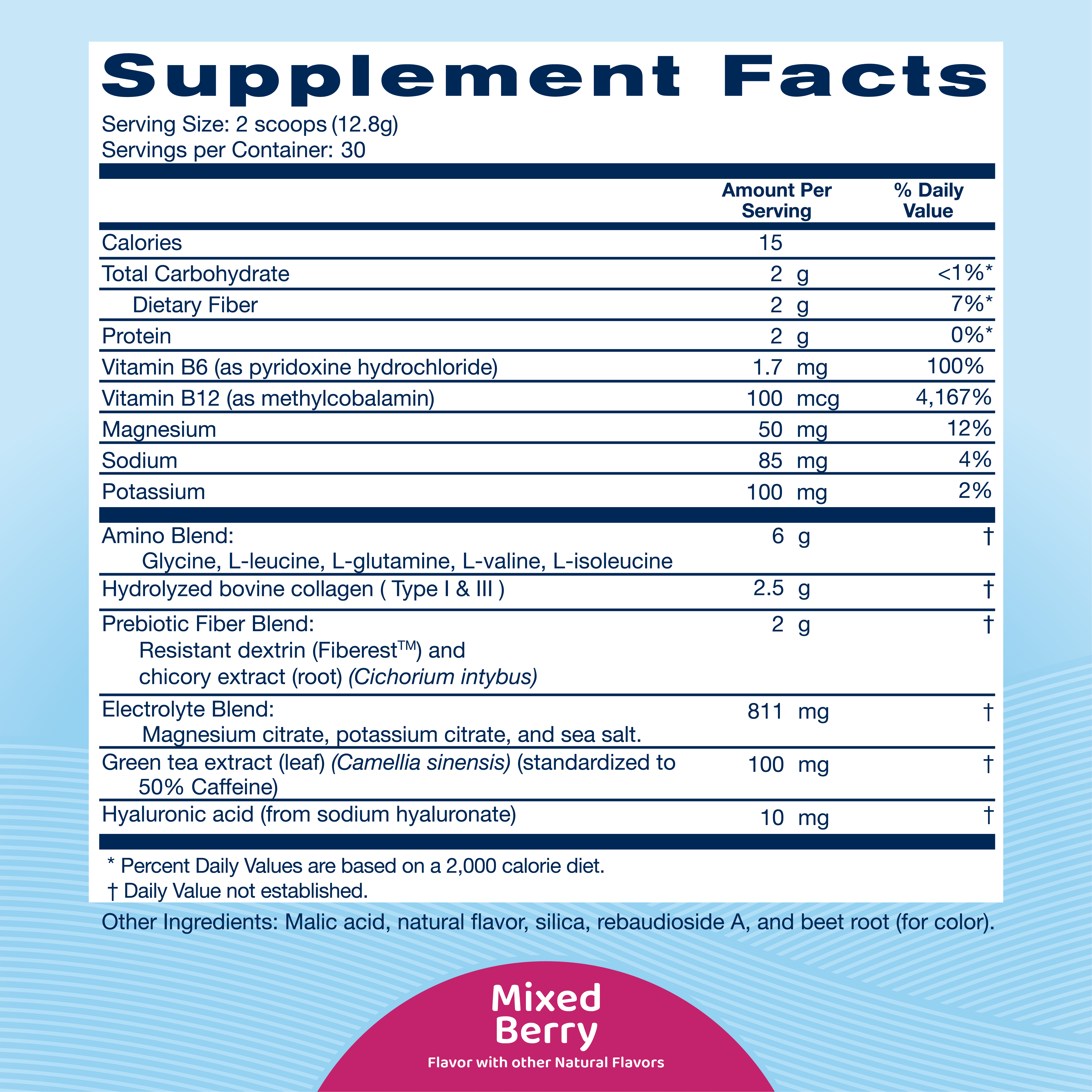
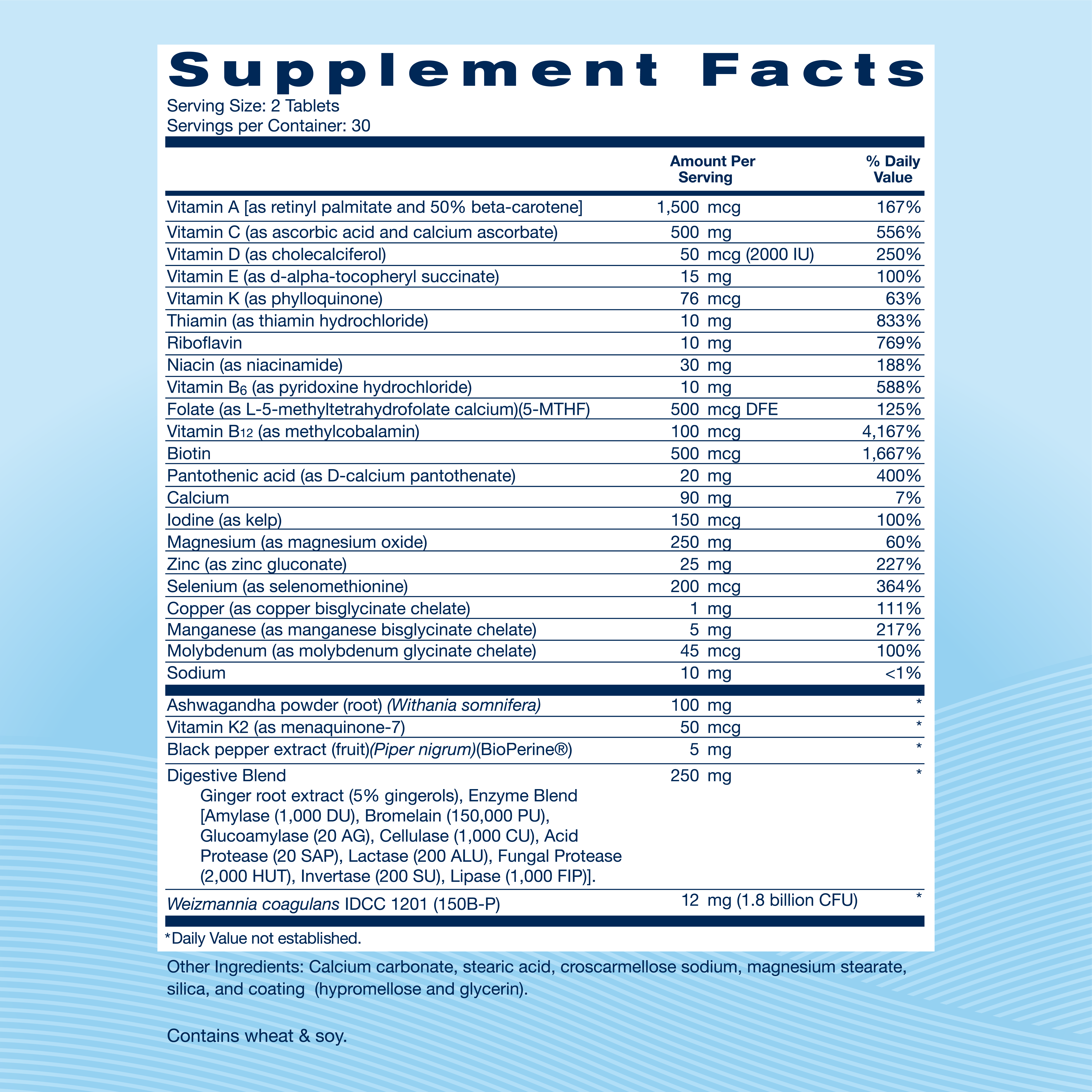
If you’re on a GLP-1, it can feel tricky to stay on top of your nutritional needs. Shop Replenza for nutritional support tailored to GLP-1 users.
FAQs
What is microdosing GLP-1 and how does it work?
Microdosing GLP-1 means taking smaller-than-standard doses of GLP-1 medications in hopes of getting some appetite or metabolic benefits with fewer side effects.
Are microdosed GLP-1 treatments effective for weight loss?
There’s very limited clinical evidence. Most of the claimed benefits come from personal experiences, not research-based results.
Is microdosing GLP-1 safe without medical supervision?
No. Because microdosing hasn’t been formally studied, adjusting doses without a healthcare provider creates avoidable risks.
Can microdosing reduce side effects compared to standard dosing?
Some users say they feel fewer side effects at lower doses, but this hasn’t been proven in studies, so safety and effectiveness remain unknown.
Who should avoid microdosing GLP-1 medications?
Anyone with significant metabolic disorders, previous medication sensitivities, or no access to medical oversight should avoid microdosing entirely.
Sources:
Should You Microdose GLP-1 Drugs? | Cleveland Clinic
GLP-1RA microdosing trend continues despite “anecdotal evidence” | Pharmaceutical Technology
What’s the Deal with GLP-1 Microdosing? | Sarah Hormachea
GLP-1 microdosing for weight loss: Experts weigh the pros and cons | Medical News Today
A new era of weight loss: Mental health effects of GLP-1 drugs | APA
GLP-1 Drugs in 2025: Cost, access and future of obesity treatment | WTW
From molecules to milestones: Reinventing for the future of weight loss drugs | PWC
GLP-1s show promise in treating alcohol and drug addiction | Endocrine Society