How To Hit Your Protein Target on GLP-1: What To Eat
Share
Key Takeaways:
- Set a clear protein target based on your goal body weight so you know exactly how much to aim for each day.
- Choose high-quality protein sources and spread them across smaller meals to stay nourished even when appetite is low.
- Pair protein with fiber, hydration, and simple prep strategies to support digestion, energy, and muscle health on GLP-1.
Protein is what helps your body stay strong as the scale moves. It keeps your energy steady, your muscles supported, and your metabolism humming even when your appetite isn’t. That’s why understanding how much you need (and how to actually get there) makes all the difference.
Read on to learn how to calculate your daily target, choose the right foods, and build meals that work with your medication.
Calculate Your Daily Protein Needs for GLP-1 Therapy
Before you can hit your protein goal on GLP-1, you need to know what that goal actually is. Most experts recommend aiming for 0.7 to 1 gram of protein per pound of your goal body weight. If your goal weight is 150 pounds, for example, your target falls somewhere between 105 and 150 grams of protein a day. It’s simple math that gives you a real structure to work from.
GLP-1 medications are prescription drugs that mimic the hormone glucagon-like peptide-1. They help with blood sugar control, slow digestion, and lower your appetite, which is great for weight management, but also means you’re naturally eating less food. That’s why having a clear protein target matters.
When intake drops, protein is usually the first thing to fall off your plate, and that can make it harder to maintain muscle while you’re losing weight.
To figure out your number, walk through it step by step. Choose your goal weight. Multiply it by 0.7 for the lower end of your range. Multiply by 1 for the upper end. Most people land comfortably in the middle, so you can pick a number that feels realistic and build your meals around it.
Choose Protein-Rich Foods That Support Muscle Health
Once you know your number, the next step is stocking your day with foods that pull their weight. Protein hits harder when it comes from high-quality sources, and a little variety keeps things interesting, especially when your appetite is unpredictable on GLP-1.
Animal Proteins
Animal proteins are the easiest way to get more grams without needing a big meal. When your appetite is small, this matters. Chicken breast, lean cuts of beef, eggs, Greek yogurt, salmon, shrimp, tuna, or full-fat cottage cheese all give you meaningful protein in just a few bites.
Lean protein simply means foods that are naturally high in protein and lower in saturated fat. Think chicken breast, most fish, shrimp, and Greek yogurt. These tend to digest well, keep you full longer, and help you hit your target even on low-appetite days.
Plant-Based Proteins
If you prefer plant-forward meals or want more variety, you can absolutely hit your protein goals with plants. Build meals around tofu, tempeh, lentils, chickpeas, beans, or seitan. These foods pair beautifully with veggies or whole grains and help smaller meals feel satisfying.
Many GLP-1 users find that rotating plant and animal proteins keeps meals interesting and prevents burnout, especially when food fatigue kicks in.
Meal Ideas That Are GLP-1 Friendly
Smaller portions are easier to handle on GLP-1, so quick, protein-forward meals tend to work best. A few ideas that check every box:
- Tuna salad lettuce wraps
- Shrimp with cauliflower rice
- Sesame chicken with broccoli
- Cottage cheese with fruit
- Greek yogurt topped with nuts and chia
- Tofu stir-fry with snap peas
One thing to skip is high-fat, processed meats. Sausage, hot dogs, bacon, and similar items don’t give you much protein for the calories, and they can make GLP-1 side effects more noticeable.
Spread Protein Intake Across Smaller, Frequent Meals
Protein is easier to hit when you spread it out instead of trying to cram it in all at once. GLP-1 medications slow digestion and naturally reduce hunger, so smaller meals help you meet your needs without feeling stuffed.
Aim for 20 to 35 grams of protein at a time. If you eat four to five times throughout the day, you’ll hit your target before dinner even shows up. It can be as simple as splitting meals into two parts. Half your sandwich at lunch, the other half a few hours later. A yogurt cup now, a cheese stick or tofu bites later.
Think of your day in small anchors. A protein-rich breakfast, a mid-morning snack, lunch, an afternoon bite, and a balanced dinner.
Combine Protein With Fiber and Nutrient-Dense Foods
Protein does a lot of heavy lifting on GLP-1, but it works even better when you pair it with fiber and nutrient-dense foods. Fiber slows digestion in a comfortable, steady way, helping you stay full and supporting smoother blood sugar control.
Nutrient-dense foods simply pack a lot of vitamins, minerals, and essential nutrients into small portions, which is ideal when your appetite feels limited.
Fiber helps meals feel more substantial without making them bigger, and it supports digestion at a pace that works well with GLP-1 medications. When you add fiber to protein, you get meals that keep you satisfied longer, support regular digestion, and help prevent the mid-afternoon crash.
Fiber-rich options that pair beautifully with protein include berries, leafy greens, roasted vegetables, beans, lentils, chia seeds, and whole grains like quinoa or oats.
If you want a simple way to build meals that feel balanced and easy to digest, combine protein, fiber, and color.
What To Reduce When Your Appetite Is Small
Added sugars, refined carbs, and heavily processed meats don’t give you much in return. They don’t help you feel satisfied, they spike and crash your energy, and they can make GLP-1 side effects feel more noticeable.
Keeping your plate simple, colorful, and built around whole foods will support your digestion, energy, and overall comfort as the medication does its job. On GLP-1, meals don’t need to be big, just thoughtful.
Stay Hydrated To Support Digestion and Nutrient Absorption
Hydration feels simple, but when digestion slows and meals get smaller, staying hydrated makes a noticeable difference in how comfortable and energized you feel. Hydration just means giving your body enough fluid to keep digestion moving, nutrients absorbing, and your kidneys supported while the medication does its job.
Why Does Hydration Matter on GLP-1?
GLP-1 medications change how quickly your stomach empties and how efficiently your gut absorbs nutrients. When you’re well-hydrated, everything works more smoothly.
Water helps break down food, supports proper nutrient absorption, and keeps your digestive system functioning smoothly, preventing feelings of sluggishness.
It also helps your body use the protein you’re working hard to get in, which makes hydration a key part of your muscle-support plan.
How To Make Hydration Easy
You don’t need to overhaul your routine. A few small habits are usually enough to stay ahead of thirst:
- Sip water consistently instead of chugging it all at once
- Pair protein snacks with water or herbal tea
- Keep a bottle nearby so drinking becomes a background habit
- Add electrolytes occasionally if you’re active or notice dizziness
- Set gentle reminders if you tend to forget during busy days
Good hydration makes every other part of your GLP-1 routine easier. It supports digestion, helps you tolerate higher-protein meals, keeps energy steadier, and reduces the chances of constipation or bloating.
Use Meal Prepping and Protein Supplements When Needed
Meal prepping can be a lifesaver on GLP-1, especially when your appetite is unpredictable or you’re juggling a busy week.
Having ready-to-go protein options makes it easier to stay consistent without forcing large meals. Simple things work best. Prep overnight oats with Greek yogurt and nut butter, portion out chicken or tofu for quick lunches, or keep hard-boiled eggs and cottage cheese cups in the fridge for grab-and-go moments. The goal is to make high-protein choices the path of least resistance.
Simplify With Replenza
Sometimes, food alone isn’t enough to hit your protein target, and that’s when supplements can help. Protein powders, ready-made shakes, or collagen blends can fill the gap on days when eating feels slow or your schedule gets tight. Just look for high-quality formulas with minimal additives so you’re getting clean protein without unnecessary fillers.
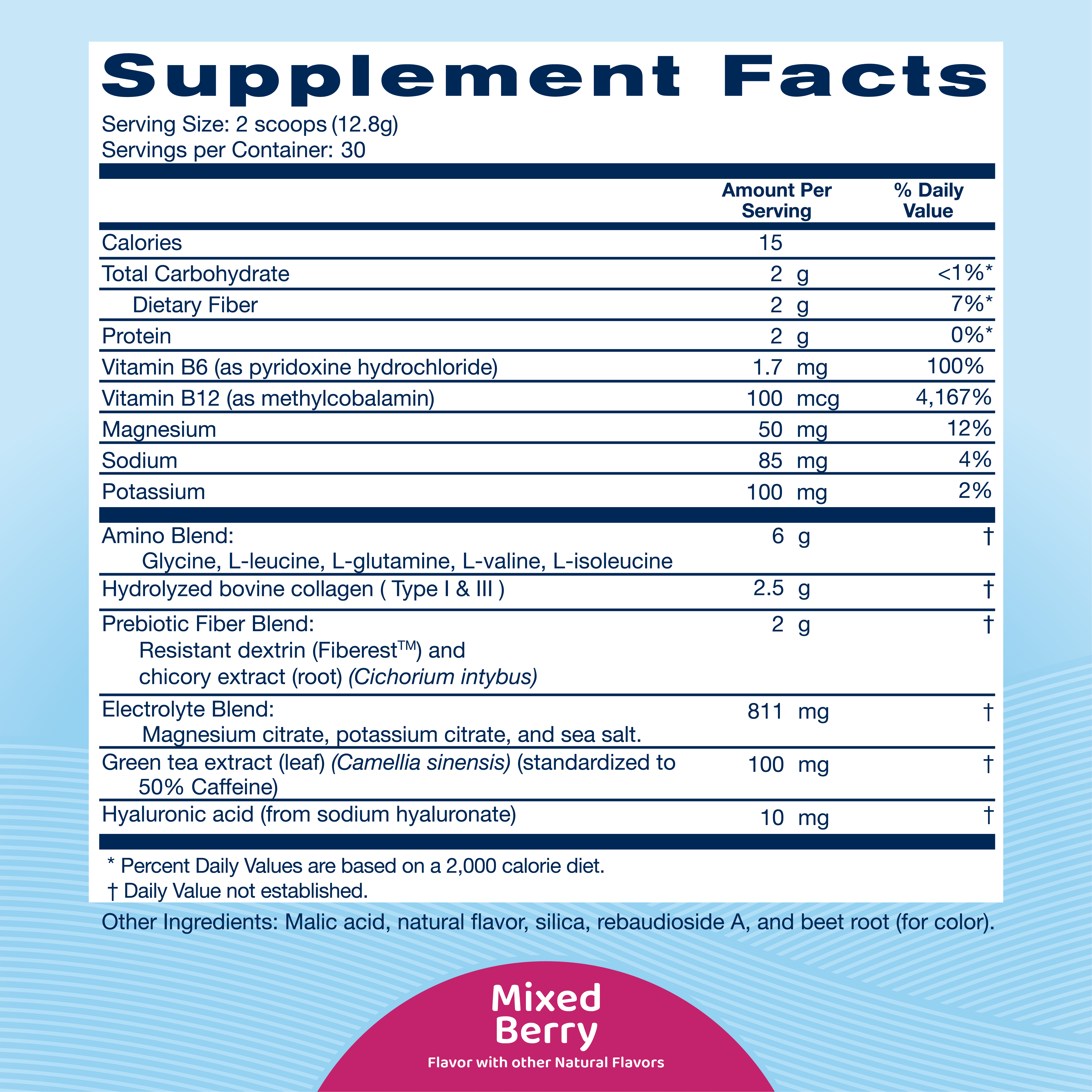
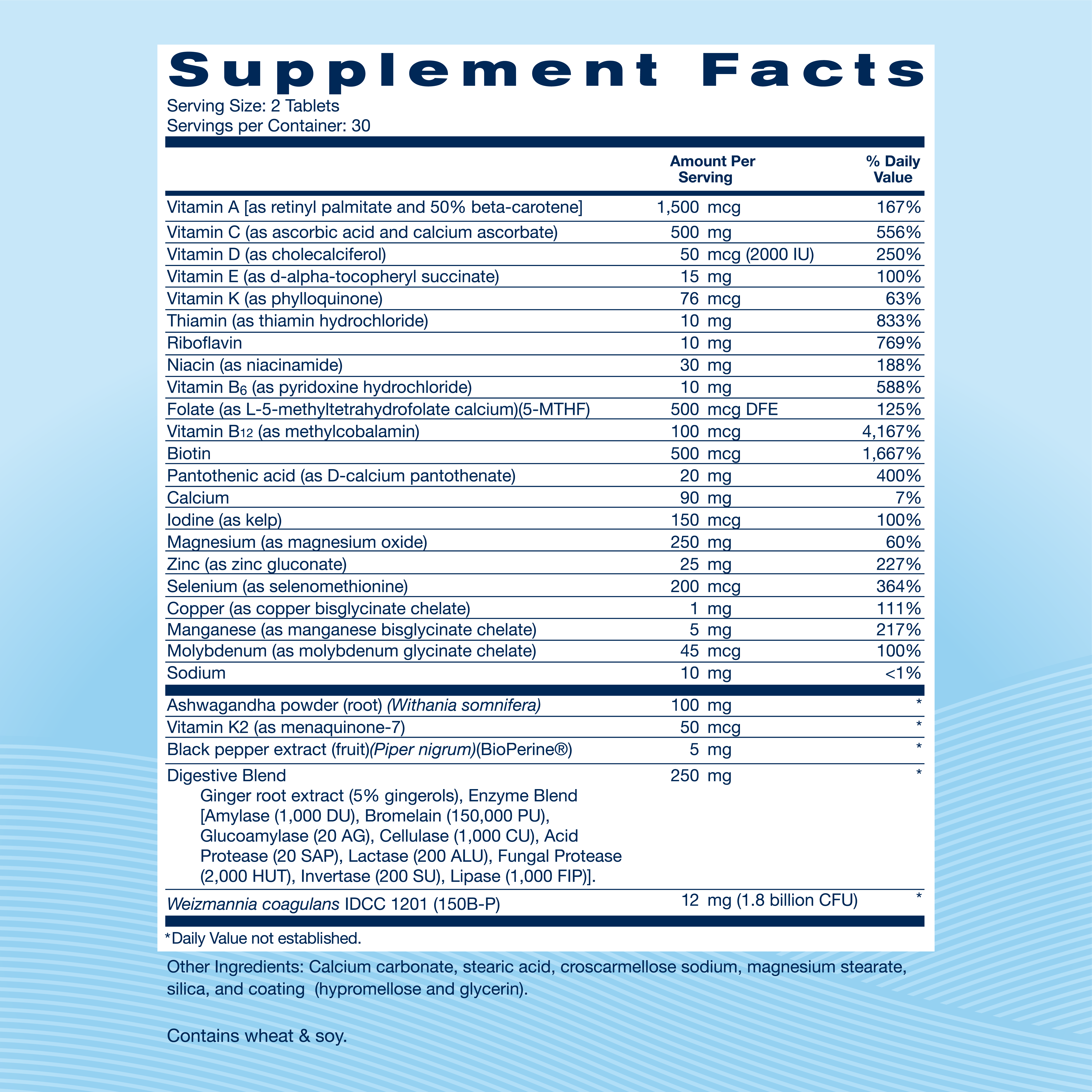
Replenza fits into this picture by filling the nutrient gaps that naturally show up when food volume drops. Our physician-formulated blends support muscle and metabolic health so your body has what it needs even on lighter eating days.
If you’re thinking about adding protein supplements or adjusting your routine, it never hurts to check in with your healthcare provider or a registered dietitian. A quick conversation can help you dial in the right amount and find options that fit your goals, appetite, and daily rhythm.
FAQs
How much protein should I consume daily on GLP-1?
Most people do well aiming for about 80 to 120 grams of protein per day, or roughly 0.8 to 1.7 grams per kilogram of body weight.
What are the best protein sources for GLP-1 diets?
Great options include chicken, fish, eggs, Greek yogurt, lean beef, tofu, legumes, and nuts or seeds that offer a meaningful amount of protein.
How can I distribute protein intake throughout the day?
Try to get 20 to 35 grams of protein at each meal or snack, spread across four or five eating moments so your intake stays steady even with a smaller appetite.
What role do protein supplements play?
Shakes or protein powders can help you reach your target when you’re not eating much or don’t have time to prep high-protein meals.
How do I manage hunger suppression from GLP-1?
Keep small protein-forward snacks on hand so you can meet your energy and nutrient needs even when you’re not feeling very hungry.
Sources:
What to Eat on a GLP-1 Diet, According to a Dietitian | Anytime Fitness