What You Should Know About Compounded Tirzepatide
Share
Key Takeaways:
- Compounded tirzepatide is not the same as FDA-approved medications and does not offer the same level of testing, consistency, or oversight.
- With tirzepatide no longer on the FDA shortage list, access to compounded versions is more limited and carries greater legal and safety considerations.
- The safest path forward is working closely with a healthcare provider to use FDA-approved treatments.
If you’ve been following GLP-1 medications, you’ve probably heard “compounded tirzepatide.” It began as a shortage workaround, spread through telehealth and social media, and is now under increased scrutiny as FDA rules tighten and access shifts.
At Replenza, we know tirzepatide can be highly effective, but it’s not simple. When a medication is made outside FDA-approved manufacturing, details like safety, dosing, legality, and quality control matter.
Below, we explain what compounded tirzepatide is, how it differs from Mounjaro and Zepbound, what recent FDA actions suggest, and what patients should know to protect their health and results.
What Is Compounded Tirzepatide?
Compounded tirzepatide refers to a custom-made version of the medication prepared by a compounding pharmacy rather than produced by the original manufacturer. It uses tirzepatide as the active ingredient but is mixed, dosed, and distributed outside of the FDA-approved manufacturing pipeline.
This is where the distinction really matters. FDA-approved tirzepatide products like Mounjaro and Zepbound go through extensive clinical testing, standardized dosing, and strict quality controls. Compounded versions do not. They’re not reviewed for safety, effectiveness, or consistency by the FDA, and their quality depends entirely on the individual pharmacy producing them.
So why did compounded tirzepatide take off? Access and cost.
During nationwide shortages, compounded options filled a gap when brand-name medications were difficult or impossible to obtain. For some patients, they also appeared more affordable or easier to access through telehealth platforms. However, those benefits came with tradeoffs that are now impossible to ignore.
As shortages resolve and regulations tighten, the risks and limitations of compounded tirzepatide are becoming much clearer.
Recent Regulatory Changes Around Compounded Tirzepatide
Compounding exists for a specific reason. It allows pharmacists to create personalized medications when an FDA-approved drug is unavailable or unsuitable, such as when a patient has an allergy to an inactive ingredient or needs a custom dosage form.
That flexibility expanded dramatically during the GLP-1 shortage. But in October 2024, the FDA removed tirzepatide from its official shortage list. That change ended the emergency discretion that allowed broader compounding of the drug.
What does that mean now? Compounding pharmacies can only produce tirzepatide under narrow, case-specific exemptions. Oversight has increased. Enforcement has sharpened. And the FDA has made it clear that compounded tirzepatide is no longer considered a routine alternative.
For patients, this translates to reduced access, more scrutiny around where medications come from, and fewer pharmacies legally able to compound tirzepatide at scale. For pharmacies, it introduces real legal and regulatory risk if they continue operating as if the shortage never ended.
What Are the Safety Concerns About Compounded Tirzepatide?
When discussing safety, it helps to define one key term clearly. An adverse event is an unexpected or harmful reaction to a medication, ranging from mild symptoms to serious medical complications.
As of November 2024, the FDA had received more than 215 reports of adverse events tied specifically to compounded tirzepatide, and nearly 800 reports related to compounded GLP-1 medications overall.
That number matters, not because side effects never occur with FDA-approved drugs, but because these reports highlight risks that stem from inconsistency rather than the medication itself.
The most significant safety concerns include dosing errors, where patients receive too much or too little medication due to inaccurate compounding or unclear instructions. Incorrect dosing has been linked to a dramatic rise in adverse events over the past two years.
There are also contamination risks. Unlike FDA-approved drugs, compounded medications are not required to undergo the same level of ingredient verification or sterility testing. Product variability can lead to reduced effectiveness or unexpected immune reactions.
The FDA has also identified cases of fraudulent or mislabeled products marketed as tirzepatide when they did not meet required standards.
These are not theoretical issues. They are documented, reported, and actively under review.
Legal and Market Implications for Patients and Pharmacies
With the shortage officially over, compounding pharmacies now face increased legal exposure. Producing tirzepatide outside of permitted exemptions can violate FDA regulations and infringe on intellectual property protections, which are the legal rights that safeguard a manufacturer’s original drug design and formulation.
Pharmaceutical companies, including Eli Lilly, have taken a firm stance against widespread compounding of tirzepatide. Their position is rooted in safety, quality control, and regulatory compliance, and it has been reinforced by the FDA’s updated guidance.
As a result, patients are increasingly being encouraged to transition to FDA-approved options. Regulators and manufacturers alike emphasize that approved products offer predictable dosing, verified quality, and far clearer safety oversight.
The market is shifting away from workarounds and back toward standardized care.
Transitioning to FDA-Approved Tirzepatide Treatments
For many patients currently using compounded tirzepatide, the next step is not panic — it’s planning.
Most providers now recommend transitioning to FDA-approved tirzepatide options like Mounjaro or Zepbound whenever possible. This shift should always be done in collaboration with a healthcare professional who understands your history, dosage, and response to treatment.
The process usually starts with a direct conversation about what you are currently taking, any side effects you have experienced, and what approved alternatives are available to you. Providers may monitor symptoms more closely during the transition and adjust dosing as needed to reduce discomfort or side effects.
Importantly, compounders themselves are expected to help guide patients toward approved medications now that shortages have ended. Monitoring how your body responds during the switch is key, especially in the first few weeks.
The Bottom Line
Staying informed and proactive makes a real difference. Always verify the legitimacy of your pharmacy and know exactly where your medication comes from. The FDA has repeatedly warned patients to be cautious with unapproved GLP-1 products and unclear sourcing.
Regular check-ins with your healthcare provider matter, even when things feel stable. Dosing schedules, side effects, and nutritional needs can change over time. Pay attention to your body and report severe symptoms right away, including persistent vomiting, signs of dehydration, confusion, allergic reactions, or severe abdominal pain.
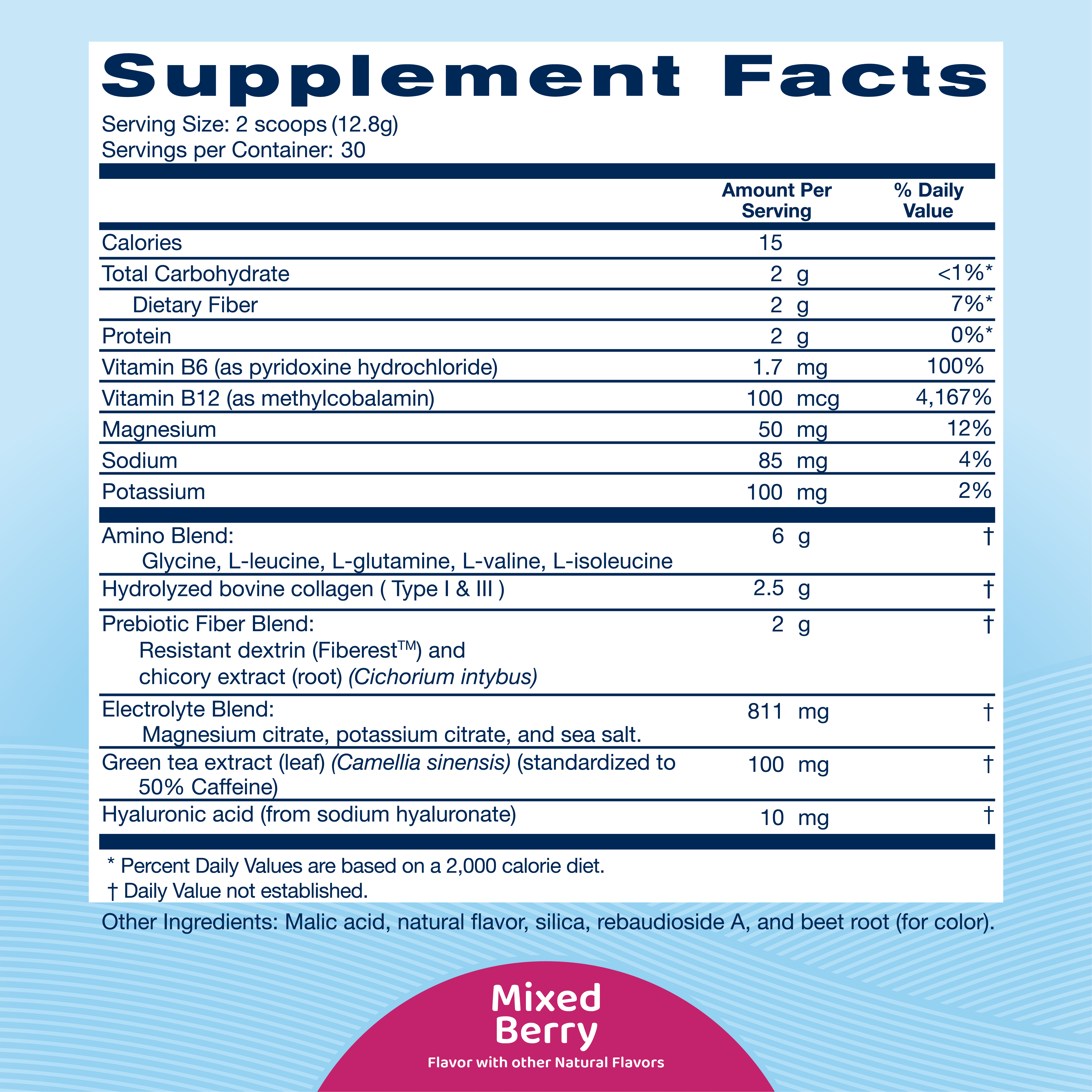
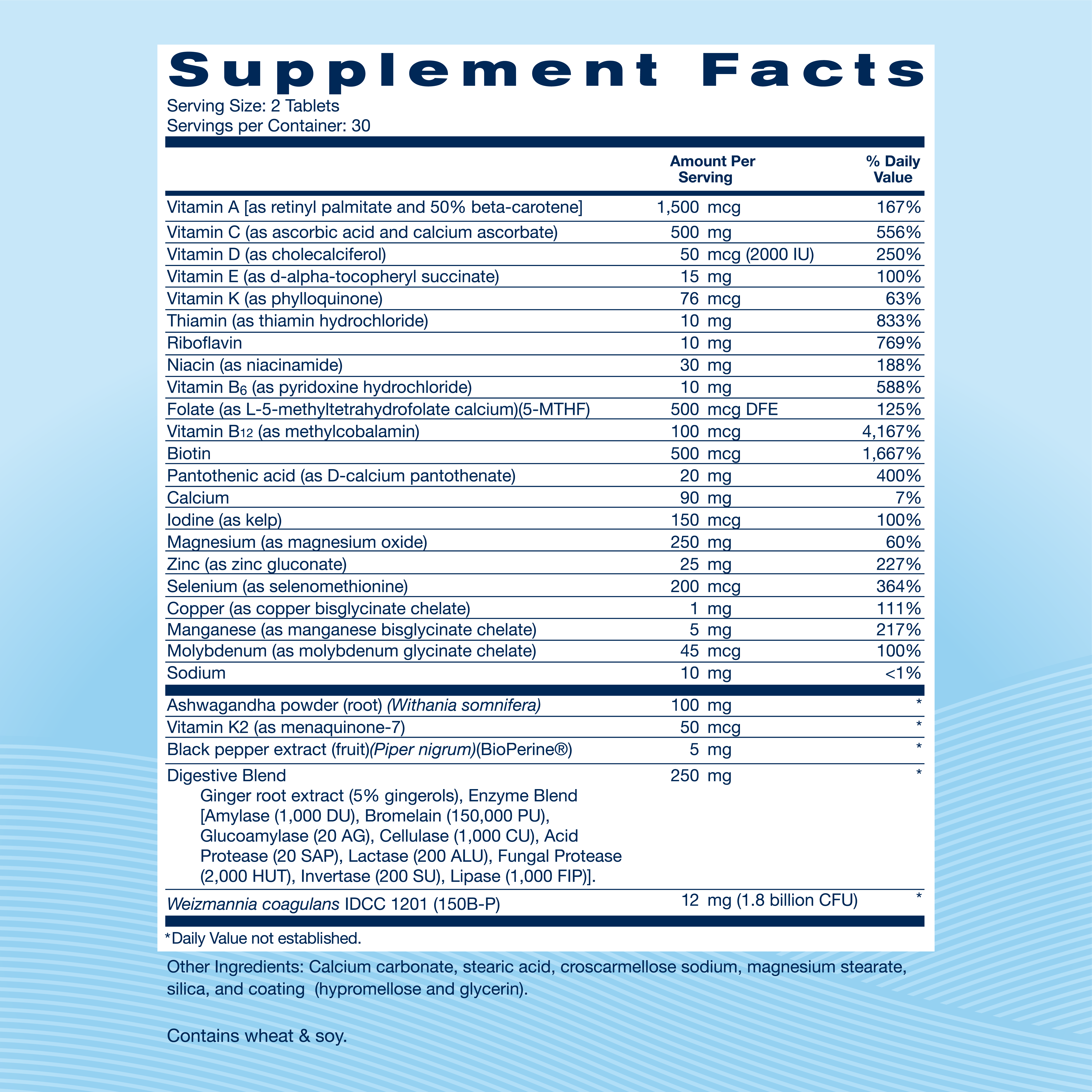
GLP-1 medications often reduce appetite significantly, which can make it harder to meet protein, vitamin, and mineral needs. This means thoughtful nutritional support matters. Supplements designed specifically for GLP-1 users, like Replenza, can help bridge common nutrient gaps and support muscle maintenance and overall energy when food intake drops.
FAQs
What is compounded tirzepatide, and how is it different from brand-name versions?
Compounded tirzepatide is made by a pharmacy using tirzepatide as the active ingredient, but it is not manufactured or tested by the original drug maker. Brand-name options like Mounjaro and Zepbound are FDA-approved, which means they go through strict testing for safety, consistency, and dosing.
Is compounded tirzepatide safe to use?
Safety is harder to guarantee with compounded tirzepatide because it is not reviewed or approved by the FDA. Risks can include incorrect dosing, contamination, or inconsistent quality depending on how and where it is made.
When is compounding tirzepatide medically appropriate?
Compounding may be considered when an FDA-approved option is not available or not appropriate, such as during a true medication shortage or when a patient has a specific allergy that requires a custom formulation. Outside of those situations, FDA-approved options are generally preferred.
How can I check if a compounding pharmacy is legitimate?
Start by confirming the pharmacy is licensed and follows FDA guidance. It can also help to ask where the ingredients are sourced, whether the facility meets sterile compounding standards, and to review feedback from trusted medical organizations or healthcare providers.
What side effects or risks should I watch for while using tirzepatide?
Common side effects include nausea, vomiting, diarrhea, constipation, and reduced appetite. More serious symptoms like severe abdominal pain, signs of dehydration, allergic reactions, or ongoing vomiting should be reported to a healthcare provider right away.
Sources:
GLP-1 diabetes and weight-loss drug side effects: "Ozempic face" and more | Harvard Health
Major Update on GLP-1 Litigation involving Compounding Pharmacies | Buchanan Ingersoll & Rooney PC