What To Eat While on a GLP-1
Share
Key Takeaways:
- Eating less on GLP-1s means food quality matters more than ever, so prioritizing nutrient-dense meals is essential.
- Adequate protein, fiber, and hydration help protect muscle, support digestion, and stabilize energy during weight loss.
- Targeted nutritional support can help bridge gaps when appetite or food tolerance makes meeting nutrient needs difficult.
Eating on GLP-1s can be tricky. These medications are incredibly effective, but they also change how hunger, digestion, and fullness work. When appetite drops, and portions shrink, every bite starts to matter more.
This guide from Replenza breaks down how you can feel better, stay consistent, and support your body through the changes GLP-1s bring — and how our GLP-1 nutritional support can help.
GLP-1 Medications and Their Dietary Impact
GLP-1 medications work by changing how your body responds to food long before it ever hits your plate. These drugs mimic a natural hormone involved in hunger and digestion, helping regulate blood sugar, slow how quickly food moves through your stomach, and signal fullness sooner and for longer. That’s why appetite often drops quickly once you start.
Research shows GLP-1 users may reduce calorie intake by roughly 16-39%, which can unintentionally lower intake of essential nutrients like iron, calcium, magnesium, zinc, and several key vitamins if food choices aren’t intentional. When portions shrink, the nutritional margin for error shrinks, too.
Add in common gastrointestinal side effects like nausea, constipation, or bloating, and food tolerance becomes just as important as food quality.
Step 1: Focus on Nutrient-Dense Foods
When you’re eating less overall, every bite has to work harder. Nutrient-dense foods are your best ally here. These are foods that deliver vitamins, minerals, fiber, and antioxidants without relying on added sugars or heavy processing.
Think colorful produce, lean proteins, and whole carbohydrates that provide steady energy. Fruits like apples and berries, vegetables like leafy greens and broccoli, lean proteins, and complex carbs like quinoa or oats give your body more nutritional value per bite. This approach helps you meet your needs without needing large portions that may feel uncomfortable on GLP-1s.
Step 2: Include Adequate Lean Proteins
Protein is non-negotiable on GLP-1s. With your appetite suppressed, protein intake often drops first, which increases the risk of muscle loss, fatigue, and unstable energy.
Most guidelines suggest aiming for at least 60 grams of protein per day, with higher targets for those focused on muscle preservation or strength training.
Lean protein sources tend to be better tolerated and easier to digest. Eggs, chicken, turkey, fish, tofu, lentils, and beans are reliable options that provide satiety without heaviness. Spreading protein across meals rather than loading it all into one sitting can also improve tolerance.
Protein for GLP-1s isn’t about bodybuilding. It’s about protecting lean tissue, supporting metabolism, and helping meals feel satisfying even when portions are smaller.
Step 3: Choose High-Fiber Foods for Digestive Health
Fiber plays a quiet but powerful role during GLP-1 therapy. Because digestion slows, the right fiber choices help maintain regularity, reduce discomfort, and support fullness without triggering nausea.
Fiber-rich foods include vegetables, fruits, legumes, nuts, seeds, and whole grains. Leafy greens, berries, beans, oats, and chia seeds are especially helpful options. Aiming for 25–35 grams of fiber daily supports digestion and helps smooth blood sugar responses by slowing glucose absorption.
The key is gradual intake. Fiber works best when increased slowly and paired with adequate hydration, allowing your digestive system to adapt without added bloating.
Step 4: Stay Hydrated To Support Digestion
Hydration often gets overlooked, but it’s foundational when eating less. GLP-1s can increase the risk of constipation and nausea, both of which worsen with dehydration. Drinking at least 64 ounces of water daily helps keep digestion moving and supports overall energy.
Plain water, herbal teas, and non-caffeinated, sugar-free beverages tend to be the easiest on the stomach. Dehydration can sneak up quickly, especially if nausea limits intake.
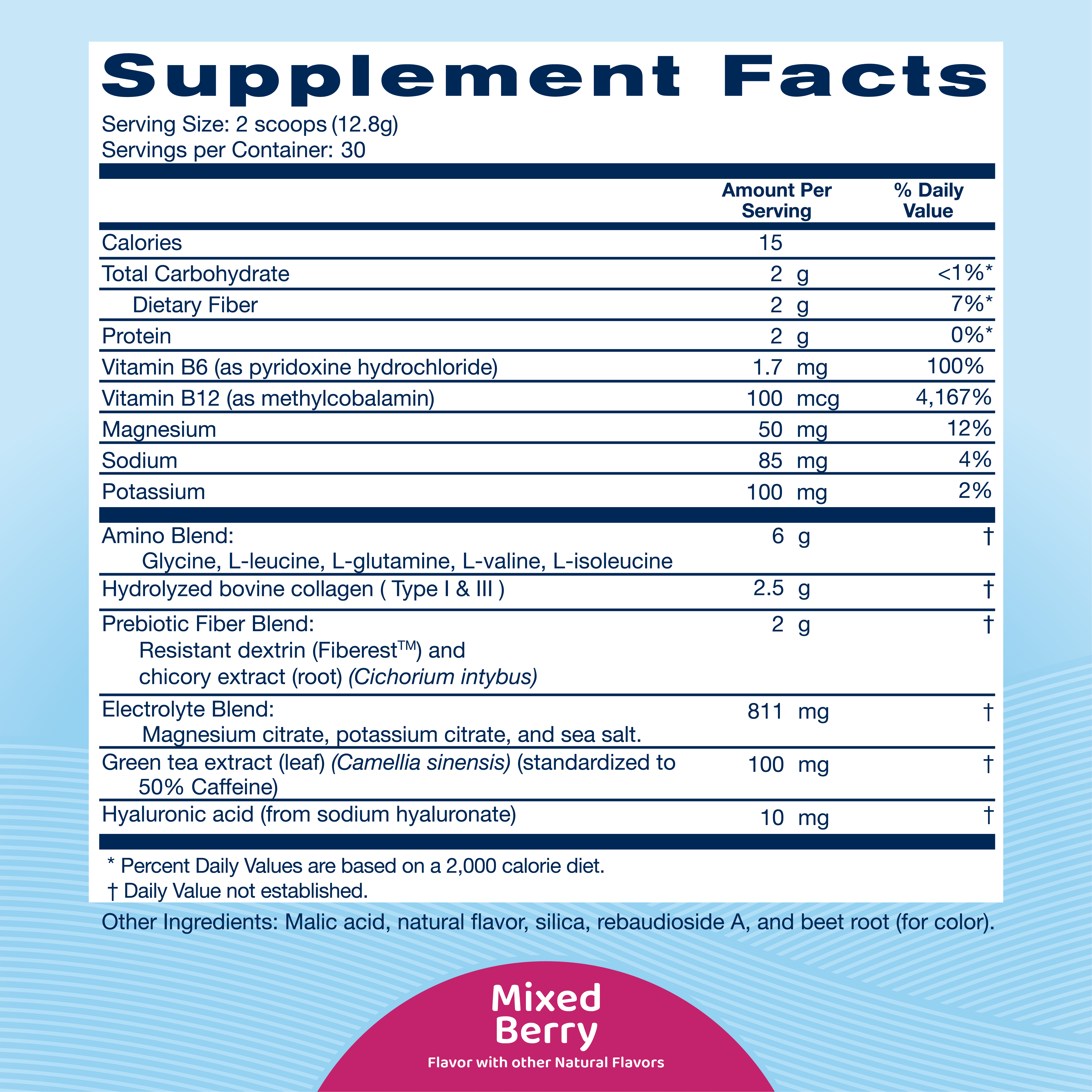
Signs you’re well hydrated include light-colored urine, steady energy, minimal dizziness, and fewer digestive slowdowns. Consider adding our Daily Replenisher to your hydration routine for a delicious way to keep your electrolytes in check.
Step 5: Avoid Foods That Trigger Gastrointestinal Side Effects
Some foods simply don’t play well with GLP-1s, especially early on. High-sugar foods, refined carbohydrates, greasy meals, and spicy dishes are common triggers for nausea, bloating, and discomfort.
Foods most likely to cause issues include:
- Sugary drinks, desserts, and candy
- Highly processed snacks
- Refined grains like white bread or white rice
- High-fat fried foods and pizza
- Spicy sauces and peppers
- Starchy vegetables such as potatoes, corn, and peas
- Alcohol and carbonated drinks, which can worsen bloating and strain digestion
Avoidance doesn’t have to be permanent, but paying attention to tolerance early on makes staying consistent with medication much easier.
Step 6: Manage Meal Timing with Smaller, Frequent Meals
Large meals can feel overwhelming on GLP-1s, even if the food itself is well chosen. Smaller, more frequent meals tend to be better tolerated and help maintain steadier energy and blood sugar.
Eating every two to three hours or whenever a full meal feels like too much can reduce nausea and prevent unintentional undereating. Skipping meals often backfires, leading to fatigue or GI discomfort later.
If a portion feels too big, splitting it into two sittings is a simple adjustment that keeps nutrition consistent without pushing your appetite past its limit.
Step 7: Consult a Dietitian for Personalized Nutrition Guidance
GLP-1 therapy isn’t one-size-fits-all, and nutrition shouldn’t be either. Working with a registered dietitian can help tailor macronutrients, address food intolerances, and identify gaps before they turn into symptoms.
Dietitians can help build realistic meal plans, adjust fiber or protein goals, and guide supplement use when needed. This is especially valuable for those managing diabetes, gastrointestinal conditions, or persistent side effects.
Recommended Food Choices While on GLP-1s
For quick reference, these foods tend to be well tolerated and nutritionally supportive:
- Lean proteins: chicken, turkey, fish, eggs, tofu, lentils
- Whole grains: brown rice, quinoa, oats, whole-grain bread
- Low-glycemic fruits and vegetables: berries, apples, leafy greens, broccoli
- Healthy fats: olive oil, avocado, nuts, seeds, and fatty fish like salmon
These are consistently among the best foods for GLP-1s because they support energy, digestion, and nutrient intake without unnecessary stress on the system.
Maintaining Muscle and Energy During Weight Loss with GLP-1s
Weight loss on GLP-1s can be rapid, which increases the risk of losing muscle alongside fat. Preserving lean mass is critical for long-term metabolism, strength, and energy.
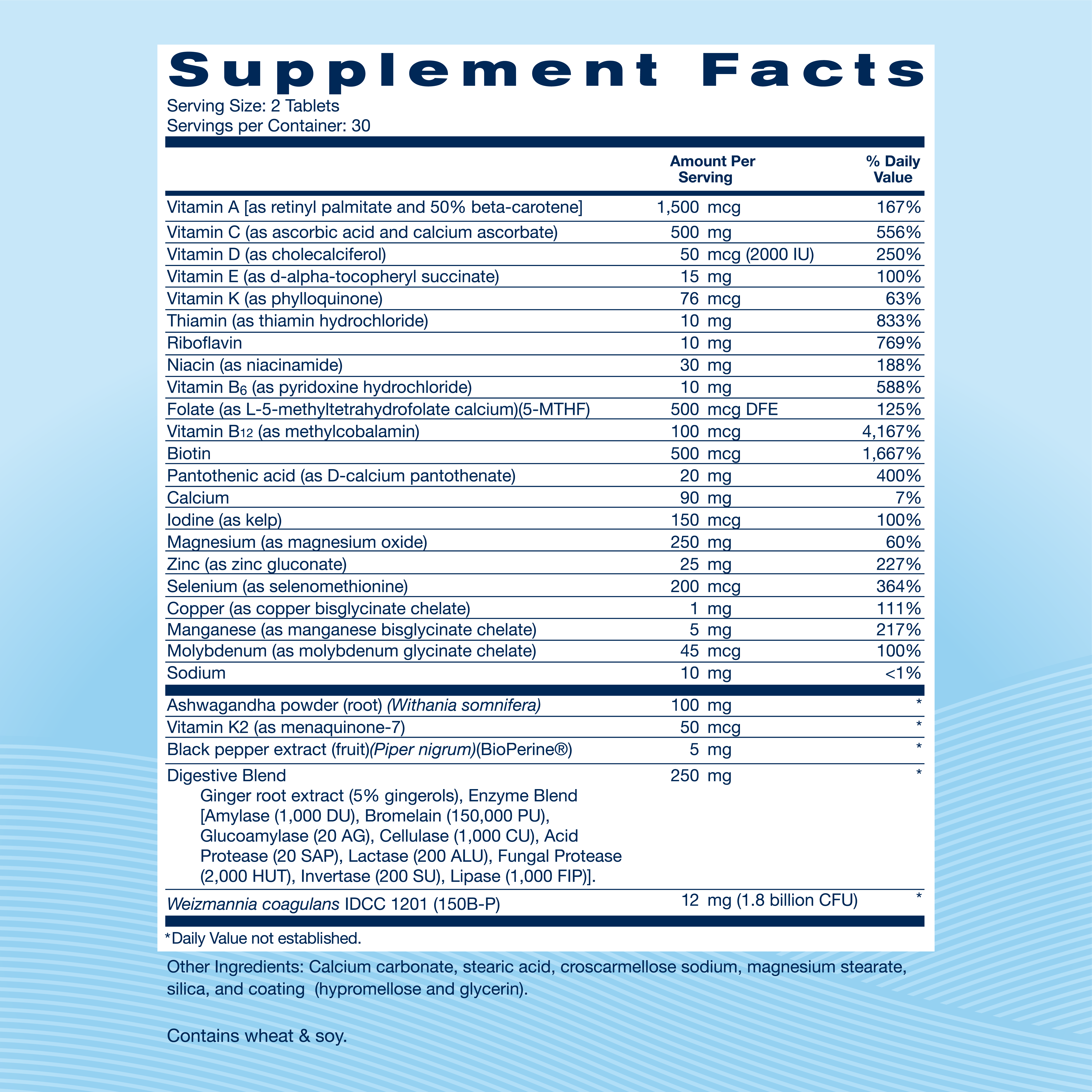
Because appetite and intake are often inconsistent, supplementation can be a helpful bridge. Replenza was designed specifically for GLP-1 users to help cover common nutritional gaps and support muscle, skin, and overall vitality during weight loss.
When food alone doesn’t consistently meet needs, targeted support with our Daily Nutritional Supplement can help keep progress sustainable.
FAQs
What types of protein are best while taking GLP-1 medications?
Lean, easy-to-digest proteins like chicken, turkey, fish, eggs, tofu, and legumes work best because they support muscle preservation and fullness without worsening GI side effects.
How should I structure my meals to minimize side effects?
Smaller, more frequent meals with balanced protein, fiber, and healthy fats are generally better tolerated than large portions and help maintain steady energy throughout the day.
Are there supplements that support nutritional needs on GLP-1s?
Yes, high-quality supplements that include nutrients like iron, vitamin B12, calcium, magnesium, and zinc can help fill common gaps caused by reduced intake, but it’s best to review options with a healthcare provider.
What foods should I avoid to prevent nausea or bloating?
High-sugar foods, fried or greasy meals, highly processed snacks, and spicy dishes are common triggers and are more likely to worsen nausea or digestive discomfort on GLP-1s.
How much fiber should I aim to consume daily?
Most people do best aiming for 25-35 grams of fiber per day from whole foods like fruits, vegetables, legumes, whole grains, nuts, and seeds to support digestion and regularity.
Sources:
GLP-1 Diet Guidance | Cleveland Clinic
Nutritional Priorities to Support GLP-1 Therapy for Obesity | PMC
Taking a GLP-1? Here are foods to limit — and what to prioritize | Health OSU