What Supplements Should You Take While on Ozempic (or Any GLP-1)?
Share
Starting a GLP-1 medication can be life-changing, but it also brings a lot of questions.
While GLP-1 medications like Ozempic, Wegovy, and Mounjaro help regulate blood sugar and curb appetite, they can also change how your body absorbs and utilizes certain nutrients. That’s where smart supplementation comes in.
Read on to learn which supplements can best support your GLP-1 journey, and how Replenza can simplify it.
Vitamin B12
Vitamin B12 is one of those nutrients your body can’t afford to skip, especially while using a GLP-1 medication. This water-soluble vitamin is essential for forming red blood cells, nerve health, DNA synthesis, and steady energy levels throughout the day.
Because GLP-1 medications slow digestion and reduce appetite, they can also decrease the body’s ability to absorb vitamin B12 from food. Over time, this can lead to low energy, tingling sensations, or even changes in mood, all of which are signs of deficiency.
To stay ahead of it:
- Ask your healthcare provider to check your B12 levels regularly during GLP-1 therapy.
- If levels are low, B12 supplementation can help restore energy and support healthy metabolism.
- Choose methylcobalamin or cyanocobalamin forms for better absorption.
A high-quality B12 supplement helps maintain stable energy, healthy nerves, and motivation as your body adjusts to a new rhythm.
Probiotics
Digestive changes are among the most common side effects of GLP-1 medications. Think nausea, bloating, constipation, or the occasional “off” day. That’s where probiotics can make a meaningful difference.
Probiotics are live, beneficial bacteria that help maintain a balanced gut and promote smooth functioning. They play a vital role in digestion, nutrient absorption, and immune support, all areas that can be affected by a GLP-1 medication.
Because these medications slow how quickly food moves through your digestive system, they can sometimes lead to constipation, diarrhea, or general discomfort.
Clinical studies suggest that incorporating specific probiotic strains (like Bifidobacterium lactis or Lactobacillus acidophilus) may help:
-
Support regularity and ease constipation.
- Reduce bloating and mild abdominal discomfort.
- Restore healthy gut bacteria disrupted by dietary changes.
If you’re taking a GLP-1 medication, adding a high-quality probiotic can help maintain digestive comfort and make your overall experience smoother from the inside out.
Chromium
Chromium is a trace mineral that helps insulin work more effectively, supporting healthy blood sugar balance and metabolism. For people using GLP-1 medications, it can be a useful companion nutrient.
Research shows that chromium may:
-
Enhance insulin sensitivity and glucose uptake.
-
Support stable energy by improving carbohydrate metabolism.
- Complement GLP-1 therapy in promoting balanced blood sugar levels.
While promising, chromium should be used thoughtfully. Too much can interfere with blood sugar regulation or interact with diabetes medications. Always check in with your healthcare provider before starting chromium, especially if you’re already managing blood sugar or taking other metabolic treatments.
Berberine
Berberine is a natural plant compound that’s been studied for its ability to support healthy blood sugar and metabolism. Often found in herbs like barberry and goldenseal, it’s known to activate an enzyme called AMPK, the body’s “metabolic switch.”
For GLP-1 users, berberine may offer complementary benefits by:
- Helping regulate blood glucose levels between doses.
- Supporting steady energy and metabolic efficiency.
- Potentially enhancing the weight-management effects of GLP-1 therapy when paired with balanced nutrition and movement.
While promising, berberine can also amplify glucose-lowering effects, so it’s important to loop in your healthcare provider before adding it to your routine, especially if you’re already taking diabetes or weight-loss medications. Monitoring blood sugar helps ensure both safety and synergy.
Alpha-Lipoic Acid
Alpha-lipoic acid (ALA) is a naturally occurring antioxidant that supports cell energy production and helps protect against oxidative stress. It’s sometimes used to support nerve health and metabolic balance, areas that can shift with GLP-1 treatment.
Studies suggest ALA may:
-
Improve insulin sensitivity and support blood sugar regulation.
- Reduce oxidative stress linked to metabolism.
- Complement GLP-1 therapy by promoting cellular energy balance.
However, because ALA also lowers blood sugar, combining it with GLP-1 medications may increase the risk of hypoglycemia in some individuals. If you’re considering ALA, do so under medical supervision and track your glucose levels regularly.
Used strategically, antioxidants like alpha-lipoic acid can support long-term wellness, but with GLP-1s, precision and professional guidance matter most.
Fiber
Fiber is the indigestible part of plant foods that helps keep your digestive system moving, supports gut balance, and promotes lasting fullness after meals. It’s one of the simplest and most effective ways to stay comfortable and consistent while using a GLP-1 medication.
Because GLP-1s slow digestion, constipation is one of the most common side effects users experience. Increasing your fiber intake can help keep things regular while also supporting satiety, which helps you stay on track with mindful eating.
To make fiber work for you:
-
Start slow. Add a few grams per day to give your system time to adjust.
-
Stay hydrated. Water helps fiber do its job. Aim for at least two liters daily.
- Mix your sources. Try soluble fiber (like psyllium husk or inulin) to soften stools and insoluble fiber (from fruits, veggies, and whole grains) to keep digestion moving.
Fiber-rich foods like chia seeds, lentils, oats, and leafy greens can make a big difference, or you can opt for a gentle fiber supplement formulated for daily gut support.
Vitamin D and Calcium
Rapid weight loss and smaller meals can sometimes mean your bones get less of the nutrients they need to stay strong. That’s where vitamin D and calcium come in as two essentials for long-term skeletal health and muscle function.
Vitamin D is a fat-soluble vitamin that helps your body absorb calcium efficiently while also supporting immune and mood balance. Calcium is the mineral responsible for keeping bones dense, teeth strong, and muscles working properly.
Together, they form the foundation for bone strength, something especially important for GLP-1 users who may eat less or have reduced nutrient absorption. Research shows that maintaining optimal levels of vitamin D and calcium can help offset potential bone density loss during significant weight reduction.
Great sources include:
-
Vitamin D: Sunlight exposure, fortified foods, or a D3 supplement.
- Calcium: Dairy, fortified plant milks, tofu, sardines, or leafy greens.
When taken together, these nutrients help your bones, muscles, and overall resilience stay strong as your body composition changes.
Omega-3 Fatty Acids
Omega-3 fatty acids are healthy fats that play a crucial role in keeping your heart, joints, and mind in sync. Found in fish oil, flaxseed, walnuts, and algae, these essential fats help reduce inflammation and support overall cardiovascular health.
Since GLP-1s can alter how your body processes fats and nutrients, adding omega-3s may help:
- Support heart health and healthy cholesterol levels.
- Support a healthy inflammatory response and promote joint comfort.
- Maintain focus, memory, and cognitive balance.
The best options include fish oil or algae oil supplements, typically providing 1,000–2,000 mg of combined EPA and DHA per day for general cardiovascular support. Always choose a third-party-tested product to ensure purity and potency.
When paired with a balanced diet, omega-3s help your system stay steady, resilient, and supported from head to toe.
Magnesium and Potassium
Magnesium and potassium are two minerals your muscles, nerves, and heart depend on to function properly, yet they’re often under-consumed, especially on low-calorie or appetite-suppressing GLP-1 regimens.
-
Magnesium supports muscle recovery, nerve communication, and energy metabolism.
- Potassium helps regulate blood pressure, fluid balance, and muscle contraction.
Together, they work like a stabilizing force, keeping your body’s electrical and muscular systems running smoothly. But when meals get smaller or hydration drops, electrolyte levels can dip, leading to muscle cramps, fatigue, or dizziness.
To stay balanced:
- Eat potassium-rich foods like avocados, spinach, and sweet potatoes.
- Add magnesium from nuts, seeds, or a gentle glycinate or citrate supplement.
- Avoid over-supplementing without lab testing, as both minerals can affect heart rhythm if taken in excess.
Staying mindful of electrolyte intake helps you maintain steady energy and avoid the fatigue or cramping that can come with reduced nutrition or hydration during GLP-1 use.
Replenza: Comprehensive Support for GLP-1 Users
When you’re on a GLP-1 medication, your body works a little differently — meals get smaller, digestion slows down, and nutrient absorption can shift.
That’s why Replenza was created: to fill the gaps that traditional supplements miss.
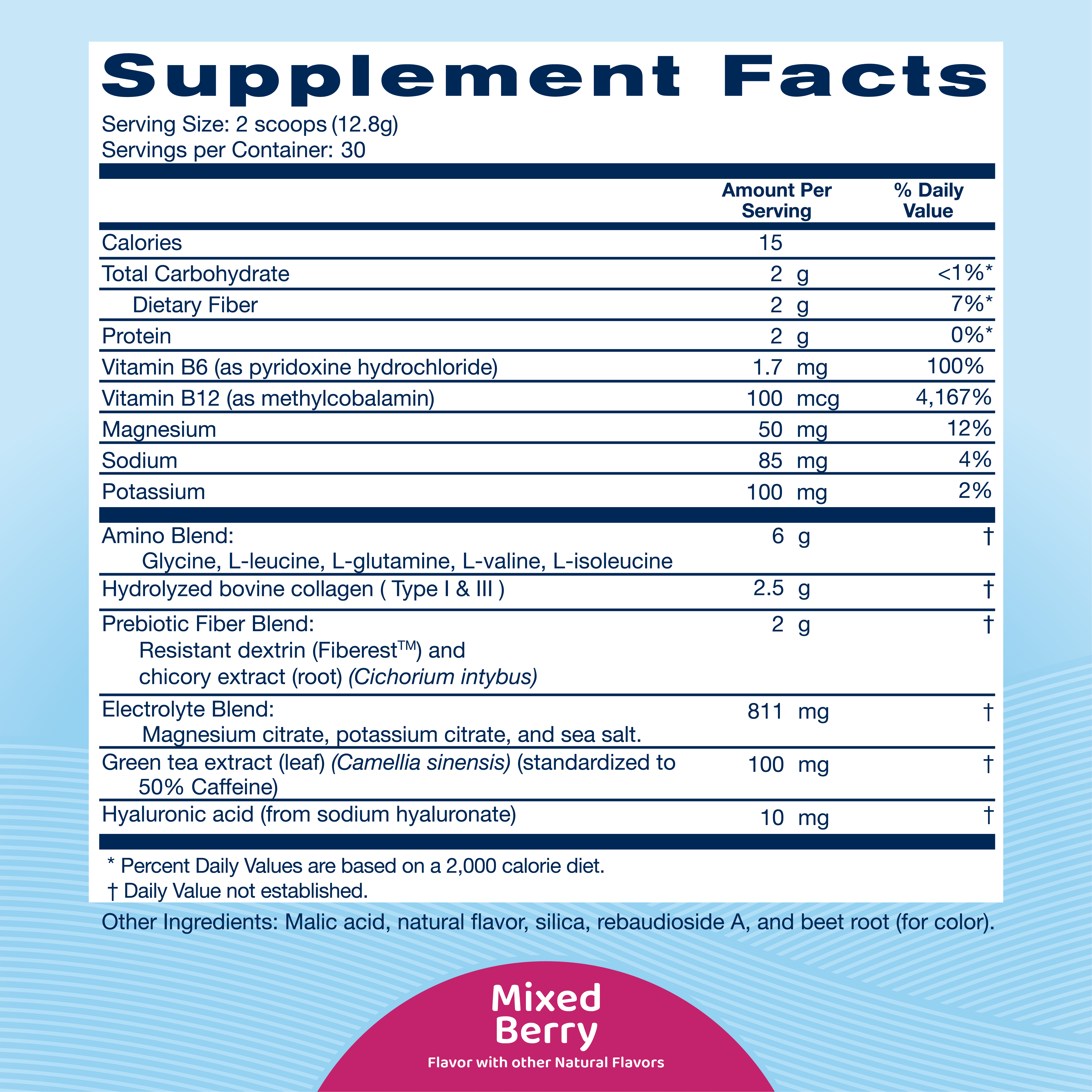
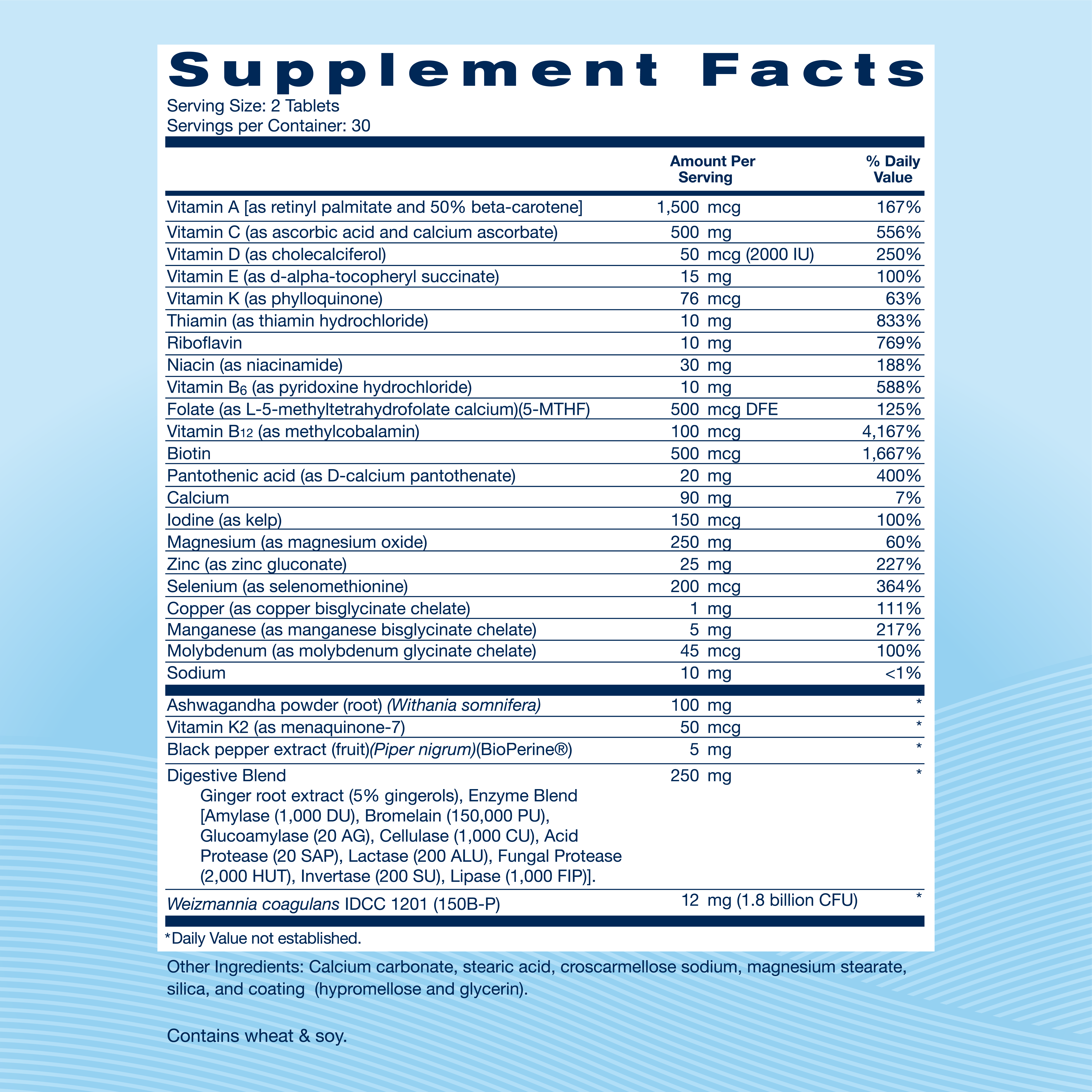
Formulated by physicians and guided by science, Replenza is designed specifically for people using GLP-1 medications. Each serving delivers a full-spectrum blend of vitamins, minerals, amino acids, and probiotics that work together to help you feel nourished and balanced from the inside out.
Here’s what makes it different:
-
Targeted support where it matters most. Replenza helps restore key nutrients affected by reduced appetite and slower digestion.
-
Muscle, gut, and skin health, all in one. It’s crafted to support muscle recovery, digestive comfort, and skin elasticity, three areas most impacted during GLP-1 weight loss journeys.
-
Clean, clinical quality. Every batch is NSF-certified, made in the USA, and free from GMOs, gluten, and artificial sweeteners.
- Physician-formulated. Backed by an advisory board of doctors and dietitians who understand what your body needs to stay strong and resilient.
Replenza bridges medical insight with real-world support, built to keep you steady, strong, and supported.
Supplements To Avoid While on GLP-1 Medications
Not every supplement plays nicely with GLP-1 medications. Some can interfere with how your prescription works, increase digestive discomfort, or even heighten the risk of low blood sugar. Knowing what not to take is just as important as choosing the right support system.
Below is a quick overview of some supplements to discuss carefully with your healthcare provider before use:
- St. John’s Wort: Can impact the way your liver metabolizes medications, potentially making your GLP-1 less effective.
- Vitamin C and Zinc: Can worsen some digestive side effects.
- High-Calorie Meal Replacements: Can counteract your weight management goals.
Before starting (or stopping) any supplement, take a moment to review your full list of products with your healthcare provider. Even natural or over-the-counter ingredients can interact with prescription treatments in ways that aren’t always obvious.
Reading labels carefully and keeping your care team in the loop ensures your GLP-1 plan stays safe, effective, and tailored to you.
How To Choose Supplements During GLP-1 Therapy
When it comes to supplements, more isn’t always better, especially when you’re on a GLP-1 medication. The right support can enhance your results and well-being, while the wrong mix can do more harm than good. A thoughtful, personalized approach makes all the difference.
Here’s a simple checklist to guide your decisions:
- Start with your provider: Always check with your healthcare professional before adding a new supplement. They can review your medications, lab results, and medical history to make sure everything works safely together.
- Prioritize what matters most: Focus on nutrients commonly affected by GLP-1 use — like vitamin B12, electrolytes (magnesium and potassium), and iron. These are key for energy, muscle recovery, and circulation when appetite and absorption change.
- Watch your digestion: GLP-1s can already cause nausea or bloating, and certain supplements can make those symptoms worse. Introduce one new product at a time, in small doses, to see how your system responds.
- Test, don’t guess: Routine bloodwork helps identify what your body truly needs, and what you can skip. Tracking your nutrient levels prevents unnecessary overlap or megadosing.
- Keep it personal: No two GLP-1 experiences are alike. What helps one person may not help another. Listen to your body, stay consistent with check-ins, and adjust as your needs evolve.
Supplementing while on a GLP-1 is about balance.
The Bottom Line
Finding the right supplements while using GLP-1 medications doesn’t have to be overwhelming. A few smart, science-backed additions can make a significant difference in how you feel day to day: steady energy, smooth digestion, and strong, healthy progress.
Replenza was built to simplify that process with a clean, physician-formulated supplement that gives GLP-1 users the nutritional support they actually need. When your nutrients are in balance, everything else falls into place.
FAQs
What supplements are safe to take with Ozempic or other GLP-1 medications?
Safe, beneficial options often include vitamin B12, probiotics, fiber, vitamin D, and omega-3 fatty acids. These support energy, digestion, and heart health while addressing the nutrient gaps that can come with appetite and absorption changes.
Can herbal supplements interact with GLP-1 drugs?
Yes. Some herbal supplements — like St. John’s Wort — have the potential to interfere with GLP-1 medications, either by lowering their effectiveness or increasing side effects such as dizziness, nausea, or low blood sugar.
How can supplements help manage side effects of GLP-1 medications?
The right supplements can prevent deficiencies, ease digestive discomfort, and support muscle and skin health. They help your system stay nourished and balanced as your body adjusts to treatment.
Should I monitor my nutrient levels while taking GLP-1 drugs?
Absolutely. Regular testing for vitamin B12, vitamin D, iron, and electrolytes helps track how your nutrient levels respond to treatment and ensures you’re supplementing only what’s needed.
When should I consult a healthcare professional about supplement use?
Always check with your healthcare provider before adding anything new to your routine, especially if you’re taking multiple prescriptions or have preexisting health conditions.
Sources:
Supplements to Take or Avoid When Using a GLP-1 Drug | ConsumerLab
Beyond Ozempic: Exploring Weight Loss Alternatives with Lasting Results | culinahealth.com
4 Supplements to Take With Semaglutide | Enhance.MD
Calcium/Vitamin D Requirements, Recommended Foods & Supplements | Bone Health
Vitamin B12 - Health Professional Fact Sheet | NCBI
Probiotics: What They Are, Benefits & Side Effects | Cleveland Clinic
Chromium - Health Professional Fact Sheet | NCBI
Berberine: What It Is, Benefits & Side Effects | Cleveland Clinic
The Role of Chromium in Metabolism | NHC
Probiotics may ease constipation | Harvard Health
Alpha-Lipoic Acid - StatPearls | NCBI Bookshelf
Fiber • The Nutrition Source | Harvard
Vitamin D - Health Professional Fact Sheet | NCBI
Calcium and calcium supplements: Achieving the right balance | Mayo Clinic
Omega-3 Fatty Acids & the Important Role They Play | Cleveland Clinic
Omega-3s for heart health? Exploring potential benefits and risks | NHLBI, NIH
Blood Pressure Control Should Focus on More Potassium: Controversies in Hypertension | AHA