What Are Some GLP-1 Side Effect Management Tips?
Share
Key Takeaways:
- Most GLP-1 side effects are temporary and can be managed with slower dose increases, food choices, and hydration.
- Small, protein-focused meals and adequate fluids play a major role in reducing nausea, fatigue, and digestive discomfort.
- Ongoing communication with your healthcare provider and targeted nutritional support can help you stay consistent and feel better long term.
If you are on a GLP-1 and wondering if there’s anything you can do to manage the GI side effects, there’s good news. Most people can make these side effects more tolerable with a few routine tweaks and the right support from their clinician.
Replenza Supplement for Nutritional Support
One reason side effects can feel intense is that GLP-1s often make you eat less. That can be helpful for appetite, but it can also make it harder to hit your nutrition basics consistently. When intake drops and GI symptoms show up, some people end up short on protein, fluids, and key micronutrients that support energy, digestion, and muscle maintenance.
That is where targeted nutritional support can help. Nutritional support for GLP-1 therapy means using vitamins, minerals, protein support, and other nutrients to cover gaps that can happen when appetite is low or digestion is off.
Replenza is positioned as a physician-formulated, NSF-certified option designed specifically for GLP-1 users to support daily nutrition and help you stay consistent when eating feels weird or unpredictable.
Here are some gaps to watch for:
- Protein (important for preserving lean mass during weight loss).
- Fluids and electrolytes (especially if nausea, vomiting, or diarrhea hits).
- Key vitamins and minerals (your needs don’t disappear just because your appetite does).
Slow Dose Titration
If you only take one thing from this article, let it be this: start low, go slow. GI side effects are most likely when you begin treatment or step up a dose.
Practical titration tips:
- Follow your prescriber’s schedule instead of “pushing through” faster increases.
- If side effects spike after a dose change, tell your clinician. In some cases, they may recommend staying at a lower dose longer before moving up.
- Do not self-adjust your dose without guidance.
Nutrition Strategies To Reduce Gastrointestinal Symptoms
Smaller portions and simpler foods can reduce that overloaded feeling. Try this approach:
- Go smaller, more often. Five to six smaller meals can feel better than two large ones when your stomach empties more slowly.
- Protein first, then fiber, then extras. It helps you get the most nutrition when your capacity is limited.
- Avoid heavy, greasy, or fried meals, especially around dose day, because they can worsen nausea and fullness.
- Stop at “comfortably satisfied,” not stuffed. GLP-1 fullness can kick in late, so eating past that point can backfire.
Hydration and Electrolyte Management
Hydration is one of the most underrated GLP-1 tips. Fluids support digestion and can help reduce constipation risk. Dehydration can also make fatigue and dizziness feel worse, especially if you are dealing with GI losses.
Here are some simple hydration rules that work:
- Sip steadily through the day.
- If vomiting or diarrhea occurs, consider electrolyte replacement and talk to your clinician if symptoms persist.
- Check your urine. Dark yellow urine or very low output can be a sign that you need more fluids.
Bowel Regularity and Fiber Intake Approaches
Constipation and diarrhea are both common complaints with GLP-1s. The trick is to avoid swinging too hard in either direction.
For constipation:
- Increase fiber gradually, not overnight, and pair it with more fluids.
- Add gentle movement (a short walk counts) to help bowel motility.
- Choose easier fiber sources first (oatmeal, berries, chia) and scale up as tolerated.
For diarrhea:
- Prioritize fluids and bland foods until things calm down.
- Pause aggressive fiber boosts until stools normalize.
- If diarrhea is persistent or severe, loop in your clinician.
Preserving Muscle Mass and Bone Health
With meaningful weight loss, some lean mass can be lost too, which is why protein and strength work matter. Even small, consistent resistance training supports muscle preservation during weight loss.
Easy muscle-protection basics:
- Aim for protein at every meal you can manage.
- Add two to three short strength sessions weekly, even if it is bodyweight basics.
- If your appetite is very low, nutrition support can help you stay consistent.
Symptomatic Remedies for Nausea and Vomiting
Nausea is one of the most common GLP-1 side effects reported. The goal is not to “tough it out,” it is to make it livable so you can stay on track safely.
Try these first:
- Small, bland snacks (crackers, toast, bananas, rice).
- Ginger or peppermint tea, especially when you need something gentle.
- Avoid big meals and high-fat foods on nausea days.
- If nausea is persistent, ask your clinician about medication options.
Contact your healthcare provider if the following occurs:
- You cannot keep fluids down.
- Vomiting is persistent, or you feel signs of dehydration (dizziness, weakness, low urine)
When To Seek Medical Attention
Most side effects are unpleasant but not dangerous. Still, there are red flags you should not ignore.
Contact your provider promptly or seek urgent care for:
- Severe abdominal pain, especially if it is persistent.
- Ongoing vomiting or diarrhea with dehydration signs.
- Symptoms that feel severe, sudden, or get worse instead of better.
Coordinated Care and Clinical Follow-Up
A coordinated care approach means your prescriber (and sometimes a dietitian or pharmacist) helps tailor dosing, nutrition, and symptom fixes to your body and your life. If side effects are disrupting your routine, that is the moment to bring it up, not the moment to silently quit.
Feeling Your Best on a GLP-1
GLP-1 side effects can be annoying, but most of the time they’re manageable. Start with the basics: smaller, simpler meals; protein first; steady hydration; and a realistic pace of weight loss. Eat slowly, stop before you’re stuffed, and don’t skip food all day and then try to “catch up” at night. If constipation is creeping in, prioritize fluids, fiber, and movement before it becomes a bigger problem.
If side effects are severe, persistent, or getting worse, talk to your prescriber. Dose timing and titration matter.
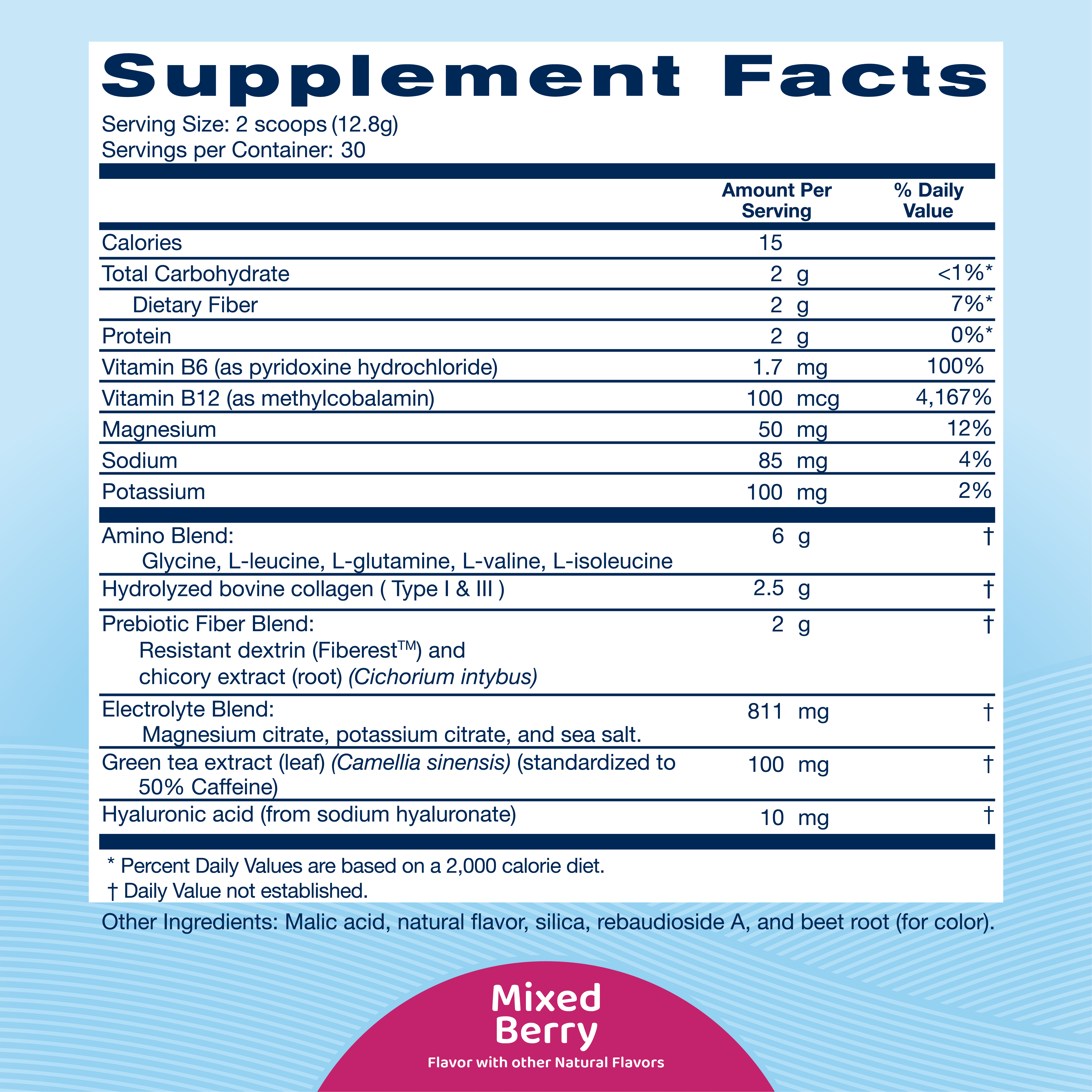
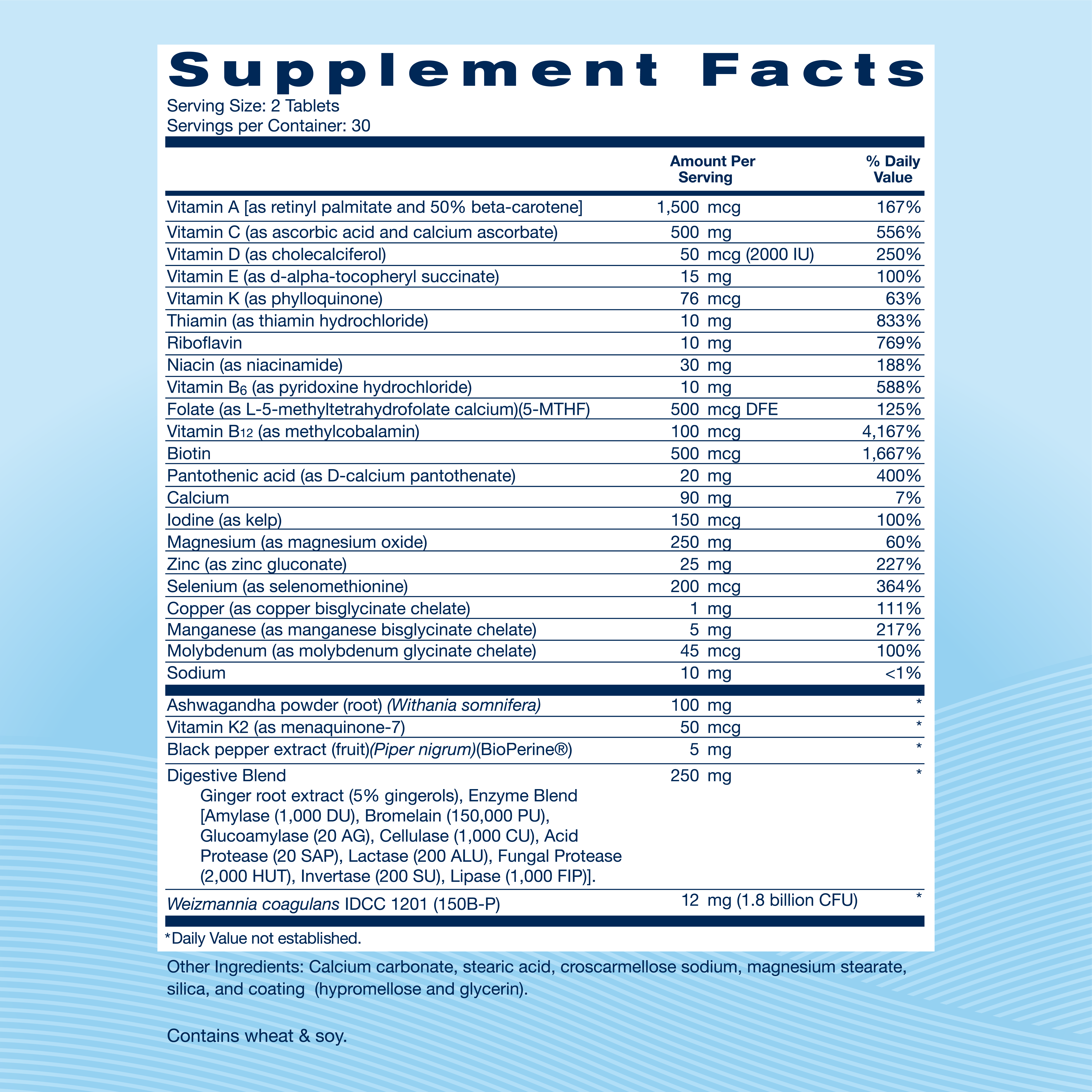
Replenza can help, too. Our Daily Replenisher supports hydration and electrolytes when intake is low, and our Daily Nutritional Supplement helps cover common micronutrient gaps when meals are smaller or inconsistent. They’re not a cure-all, but they can make it easier to stay steady while you build habits that actually work long-term.
FAQs
How can I manage nausea caused by GLP-1 medications?
Try small, frequent meals, stay hydrated, use ginger or peppermint for relief, and avoid greasy or large meals. Symptoms often improve as your body adjusts.
What are effective ways to address constipation on GLP-1 therapy?
Increase fiber gradually, drink plenty of water, and stay active with regular movement to support digestion and bowel regularity.
How should I handle diarrhea or vomiting while using GLP-1 drugs?
Focus on clear fluids, keep foods bland, and consider electrolytes if you are losing a lot of fluid. Contact your provider if symptoms are persistent or you cannot stay hydrated.
When is it important to contact a healthcare provider for side effects?
Reach out if you have severe abdominal pain, persistent vomiting or diarrhea, signs of dehydration, or symptoms that are worsening instead of improving.
How can I maintain energy and nutrition during GLP-1 treatment?
Prioritize protein, fluids, and nutrient-dense small meals, and consider targeted nutritional support if your appetite is low or side effects are limiting intake.
Sources:
GLP-1 Agonists | Cleveland Clinic