The Nutritional Support Your Body Needs When Taking GLP-1s
Share
While your nutritional needs don’t change when taking a GLP-1, how you meet them does. Eating less is expected, but it can also make it easier to miss key nutrients your body needs to function at its best.
Macro vs Micronutrients: What’s the Difference?
Macronutrients (carbs, proteins, and fats) provide energy and support for our bodily functions, including muscle function and metabolism.
Micronutrients don’t provide calories, but they are essential for everything from immune function to cognitive health.
Both are key to optimal health, but when food intake decreases, it’s micronutrient intake that often falls short first.
Why Nutrient Deficiencies Are More Likely on a GLP-1
Because GLP-1 medication reduces the appetite and slows digestion, you naturally eat less. While this supports weight loss, smaller meals and lower calorie intake may also mean you are not getting important nutrients.
As a result, you may fall short on key nutrients, including:
● Iron
● B vitamins
● Magnesium
● Omega-3s
● Electrolytes
● And more…
Why These Nutrients Matter
Micronutrients play a critical role in the following ways:
● Immune System: Vitamin D, Vitamin C, and Zinc help fight viruses and bacteria.
● Energy & Metabolism: B vitamins convert food into energy.
● Bone & Tissue Health: Calcium and Vitamin K are critical for bone density and blood clotting.
● Brain & Nervous System: Folate (B9) and Iron are crucial for cognitive development and red blood cell production.
For most people, a well-balanced diet provides the micronutrients that support the body's health and energy. When micronutrient intake falls short, the body may lack the essential nutrients needed to support the brain, bones, tissues, and overall function.
If you are nutrient-deficient, important signs may include:
● Iron: Fatigue, pale skin, headaches, brittle nails.
● Vitamin B12: Fatigue, tingling/numbness, cognitive issues, pale skin.
● Vitamin D: Bone pain, weakness, low immunity.
● Zinc: Hair loss, skin rashes, poor wound healing.
● Magnesium: Muscle cramps, fatigue, poor sleep.
When your body is working with less, ensuring it still receives the nutrients it needs becomes even more important.
How to Stay Nutrient-Replete on a GLP-1
When on a GLP-1, make every bite count. This means a very intentional focus on nutrition and quality.
1. Food quality matters more than calories alone. Eat nutrient-dense foods - these are foods that provide a high concentration of vitamins and minerals. Think leafy greens, vegetables, nuts, seeds, and healthy fats.
2. Avoid highly processed foods. Nutrient-poor options not only fail to support the body but can also contribute to digestive discomfort. They can also lead to blood sugar fluctuations.
3. Eat smaller, more frequent meals with easy-to-digest options when appetite is low. (And always prioritize protein first, crucial to maintain muscle while on GLP-1s.)
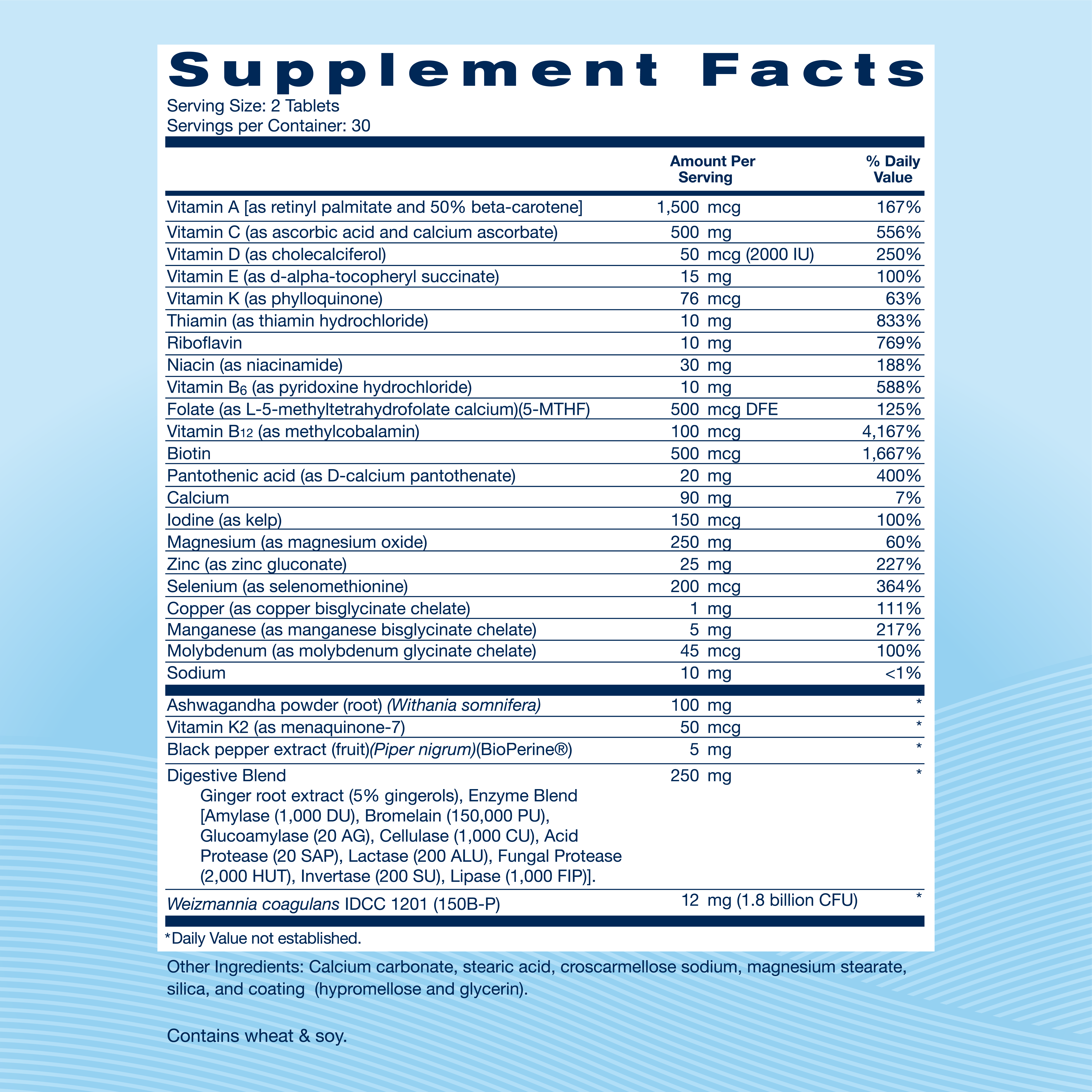
4. Consider targeted nutritional support to fill gaps, especially for nutrients that are harder to obtain in adequate amounts through food alone. Replenza™ Nutritional Supplements provide a powerful blend of 22 essential vitamins and minerals, scientifically formulated for optimal absorption, specifically designed for GLP-1 users, and crafted with premium-quality ingredients.
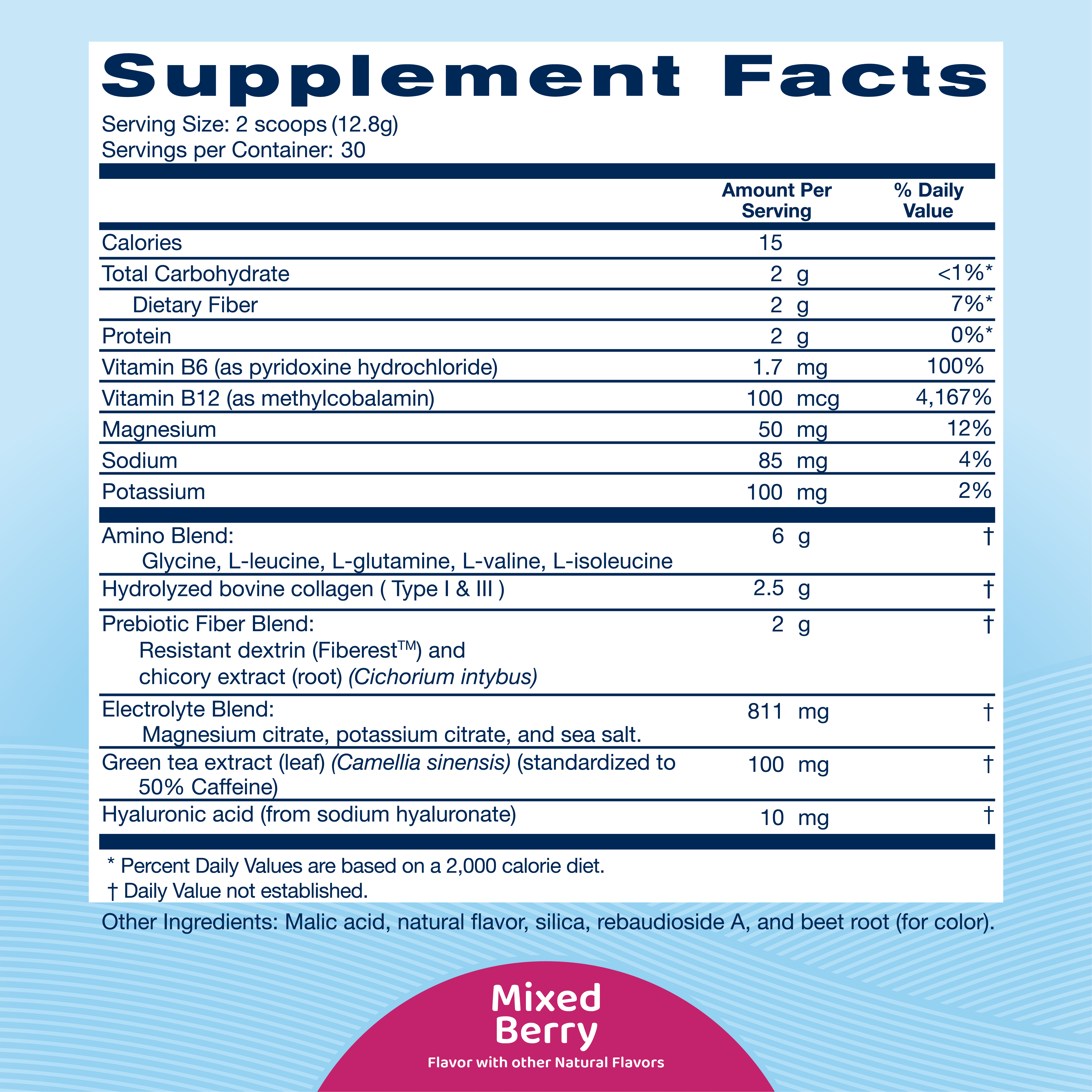
5. Focus on getting plenty of water to help nutrients and food move through the body. Replenza’s Daily Replenisher provides electrolyte support and helps with muscle recovery, digestive health, and skin elasticity, too.
While on a GLP-1, you’ll likely eat less, but with a more intentional approach. Ensure your body gets the micronutrients it needs with some crucial changes to your diet, like choosing quality, nutrient-dense foods, getting plenty of protein, and using Replenza to fill the gaps!