The Beginner’s Guide to Feeling Your Best on a GLP-1
Share
GLP-1 medications are transforming lives by helping people lose weight and improve their overall health. However, feeling your best while taking them requires more than simply eating less. How you eat, drink, and move during the first few months can make the difference between simply losing weight and maintaining your energy, muscle, and overall well-being. This guide covers simple habits that can help minimize side effects and set you up for long-term success.
What to Expect During the First Few Weeks
● A dramatic decrease in appetite
● Feeling full after just a few bites and feeling full longer
● Often mild nausea and bloating (especially after larger meals)
● Changes in bowel habits, sometimes constipation or diarrhea
● You may drink less overall because you're eating less or because nausea makes drinking less appealing
● Less energy or temporary fatigue as the body adjusts to lower calorie intake ● Possible heartburn or acid reflux
Make sure to follow your healthcare provider's recommended dosing schedule and resist the urge to increase your dose too quickly. Giving your body time to adjust can help minimize side effects like nausea and stomach discomfort.
The Good News + Tips
The good news is that these effects are usually temporary, and a few lifestyle and dietary adjustments can significantly reduce them. Most of these symptoms improve within the first few weeks as your body adapts to the medication.
Eat Less, But More Often
GLP-1 medications slow stomach emptying, so large meals sit in your stomach longer, which can lead to feelings of fullness, nausea, or gastric discomfort.
● Spreading out 4-5 smaller meals throughout the day is generally easier to tolerate and avoids unwanted side effects. Eat every 3-4 hours.
● Stop eating before you are overly full.
● Avoid high-fat, high-sodium, highly acidic, and heavily processed foods, which can easily upset the stomach.
● Avoid lying down or eating within 2–3 hours of bedtime to prevent reflux and nighttime indigestion.
Stay Ahead of Hydration
The loss of appetite may make you less aware of your body's thirst signals, increasing the risk of dehydration. Some people experience nausea, vomiting, or diarrhea, especially during the first few weeks, as their body adjusts to the medication, which can rapidly deplete their body's water and electrolyte levels. Prioritize hydration throughout the day.
● Track your water intake and sip throughout the day instead of drinking large amounts at once. Aim for about 80–100 ounces of water per day, unless your healthcare provider recommends otherwise.
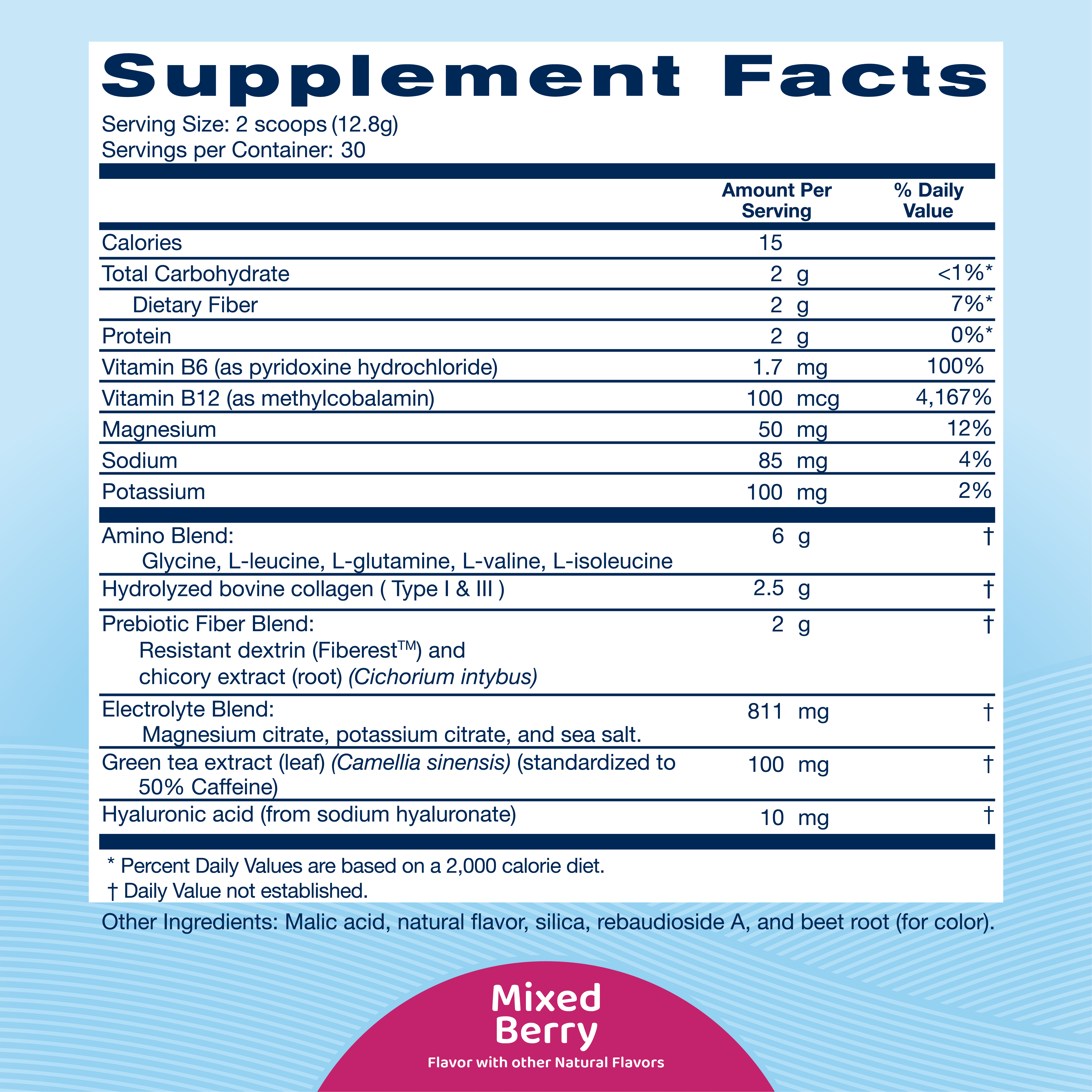
● An electrolyte supplement, such as Replenza Daily Replenisher Powder, may help replace electrolytes and provide amino acids to support recovery.
● Include hydrating foods such as watermelon, cucumbers, strawberries, and citrus fruits.
● Pair adequate fluids with fiber-rich foods like berries, vegetables, beans, and oats to help support healthy digestion.
● Contact your healthcare provider if you experience persistent vomiting, severe abdominal pain, signs of dehydration, or side effects that do not improve.
Keep Moving
Not only is long-term weight maintenance more successful when exercise is included, but it’s also key to maintaining muscle and supporting the body in other ways.
● Walk daily: A 20-minute walk after meals can significantly lower blood sugar, support digestion, stabilize energy levels, and reduce fatigue by boosting circulation, energy, and overall stamina.
● Strength train 2-3 times per week: During rapid weight loss, both fat and muscle are lost because eating less often means consuming less protein, a macronutrient needed to build and repair tissue. When rapid weight loss occurs without strength training, up to 40% of the weight loss can be lean muscle mass. Strength training is even more effective when paired with adequate protein intake.
Ensure You are Getting the Nutrients Your Body Needs
Because you are eating less overall, every bite counts. Because people typically eat less while taking a GLP-1, they may be at greater risk for certain nutrient deficiencies over time if they don't prioritize nutrient-dense foods.
● Be purposeful about your food. Prioritize nutrient-dense foods like fruits and vegetables rich in fiber, antioxidants, and vitamins, as well as easy-to-digest carbs like sweet potatoes and oatmeal.
● Eat slowly. Taking smaller bites and chewing food thoroughly gives your stomach time to signal fullness, helping reduce nausea and discomfort.
● Prioritize protein to preserve essential muscle mass. Aim for 20–30 grams of protein per meal, and eat protein first. Prioritize lean sources like fish, Greek yogurt, and chicken breast.
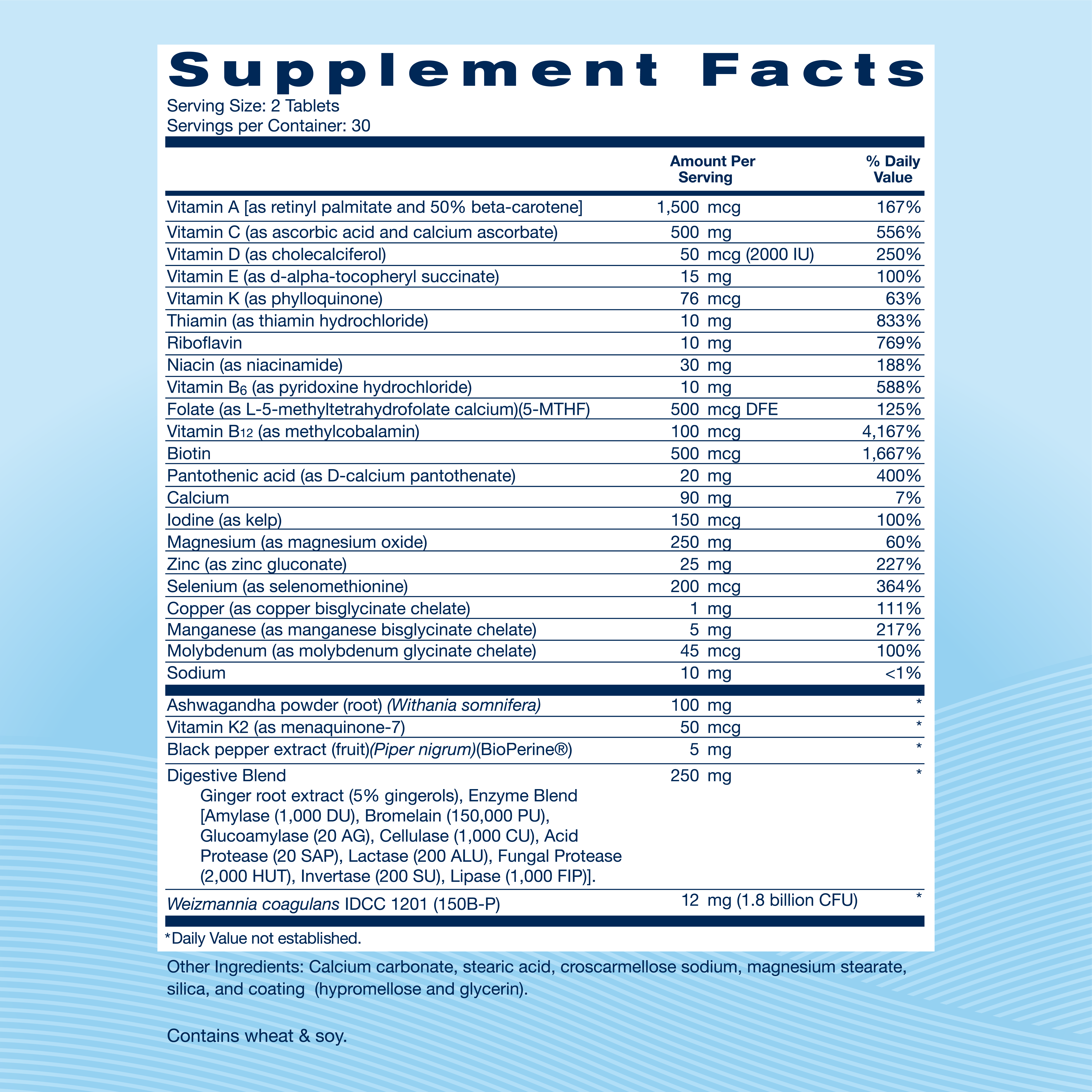
● Supplement with nutritional support. The Replenza Daily Multivitamin includes 22 Essential Vitamins & Minerals and supports Gut Health and Cellular Energy & Stress. It’s made specifically for GLP-1 users with BioPerine® for Nutrient Absorption.
Daily GLP-1 Success Checklist
Prioritize these, and you should be set for your GLP-1 journey!
1. Eat 4-5 small meals
2. Get 20- 30 grams of protein at each meal
3. Drink water throughout the day
4. Include electrolytes if needed
5. Walk after meals
6. Strength train 2-3 times weekly
7. Eat slowly
8. Stop eating before you're overly full
The first few weeks on a GLP-1 are a learning period, so give yourself grace as your body adjusts. Focusing on eating well by prioritizing protein, hydration, movement, and nutrient-dense foods can help minimize side effects while protecting your energy and supporting long-term success. Small, consistent habits will help you get the most from your GLP-1 journey.