2025 Guide: Best Supplements for Reducing GLP-1 Drug Nausea
Share
If you’re starting a GLP-1 like Ozempic, Wegovy, or Mounjaro, a little nausea in the first few weeks is very common — and you’re not doing anything wrong. Certain supplements, such as fiber, magnesium, ginger, and probiotics, can help alleviate symptoms and make day-to-day life more comfortable. Check in with your clinician so you can use them safely alongside your medication.
As your dose changes, these supplements can keep your stomach moving, calm that “queasy” feeling, and help you stay nourished so treatment feels sustainable.
Who Should Consider Supplement Support for GLP-1 Nausea?
Nausea among GLP-1 users is very common, and gentle supplement support can help many people — especially if queasiness is getting in the way of work, meals, or taking your meds. If symptoms persist or start disrupting your routine, that’s a good cue to try a more targeted plan with your care team.
Nausea can vary in severity:
- Mild : Occasional queasiness, minimal impact on eating or activities.
- Moderate : Frequent discomfort, reduced appetite, some meal avoidance.
- Severe : Frequent vomiting, significant interference with work or social life.
A quick self-assessment can help you better understand your symptoms:
- How many days per week do you feel nauseous?
- Does nausea stop you from eating planned meals?
- Have you vomited due to nausea in the past week?
- Does nausea interfere with work, exercise, or social activities?
- Are you avoiding foods solely because of nausea?
If you answer "yes" to multiple items or have nausea more than three to four days weekly, supplement support may be helpful — just be sure to talk to your care team, too.
Consulting your doctor before adding supplements is key, especially if you take anticoagulants, have kidney disease, or multiple chronic conditions.
When Is Nausea Worst for GLP-1 Users?
Nausea is often worse during dose titration — typically the first two to four weeks of therapy — when gastric emptying and appetite change most rapidly. During this phase, early intervention with supplement support can help ease symptoms.
What Causes Nausea From GLP-1s?
GLP-1 medications (like semaglutide and tirzepatide) help slow how quickly food leaves your stomach. That “full for longer” feeling is helpful for weight loss… but the same slowdown can make your stomach feel heavy, bubbly, or queasy, especially in the first few weeks or after a dose increase.
GLP-1s also act on areas of the brain that control nausea, so you’re getting signals from both the gut and the brain at once.
A few everyday factors can make the nausea worse: large or high-fat meals, eating quickly, carbonated drinks, alcohol, dehydration, and going too long without food, which can leave you queasy once you finally eat.
Constipation can also contribute to the discomfort. Some people are simply more sensitive — if you’ve had motion sickness, migraines, or reflux, you may notice nausea more during dose changes.
The good news is that, for most folks, this settles as your body adapts and as you learn your new “comfort zone” with meal size, pace, and timing. If nausea sticks around or affects daily life, let your care team know. They can adjust your dose, change timing, or suggest gentle supports (like hydration, fiber, ginger, magnesium, or probiotics) to help your stomach keep moving and your routine feel doable.
How Can Supplements Help With GLP-1 Nausea?
Certain supplements can make a significant difference in easing symptoms associated with GLP-1 usage, such as nausea or digestive discomfort. Here’s how.
Targeting Delayed Gastric Emptying
Fiber and certain “movement-friendly” nutrients serve as traffic directors for your digestion, helping to target delayed gastric emptying caused by GLP-1 drugs. They add steady bulk and help your stomach and gut function properly, keeping things moving smoothly. Aim for about 21-25 g of fiber daily if you’re a woman and 30-38 g if you’re a man to support regular motility.
Start low and go slow to avoid feeling gassy or more bloated. Choose bulk-forming fibers (like psyllium or oat fiber), add a little each few days, and drink water alongside. The right type (and a gradual increase) can make all the difference.
Supporting Central Nausea Pathways
Magnesium, ginger, and some herbal extracts act on central pathways. Magnesium relaxes smooth muscle and calms the nervous system, while ginger interacts with serotonin receptors involved in nausea perception.
In other words, this combination works together to ease feelings of nausea or digestive upset.
Additional Health Benefits
Supplements can also help steady your blood sugar, keep your digestion regular, and protect your muscles.
During weight loss, make protein a priority — aim for up to 1.5 g per kilogram of lean body weight to help preserve lean mass. In plain terms: include a solid protein source at each meal and snack (eggs, Greek yogurt, chicken, tofu, beans), and pair it with plenty of fluids and fiber so it’s easy on your stomach.
What Are the Best Supplements for GLP-1 Nausea Relief?
While many supplements can be beneficial during GLP-1 usage, a few stand out in particular for easing nausea. Here’s what to know.
Fiber and Bulk-Forming Agents
Fiber, especially gentle, bulk-forming types like psyllium, oat fiber, or partially hydrolyzed guar gum, can ease GLP-1 nausea by giving the gut “structure.”
When GLP-1s slow stomach emptying, small meals can slosh or sit heavy. Fiber adds soft volume, helping food move more steadily, absorbing excess fluid and bile, and smoothing out the rise in blood sugar that can worsen queasiness. It also supports regular bowel movements, so pressure and bloating don’t build up.
Start low, go slow, and sip water with each dose. Consistent, small amounts are usually better tolerated.
Probiotics
Probiotics can help calm GLP-1 nausea by rebalancing the gut’s “neighborhood” and supporting smoother motility.
When stomach emptying slows, some people get extra gas, bloating, or irregularity, all of which can amplify queasiness. Helpful strains (often Lactobacillus or Bifidobacterium) make short-chain fatty acids that soothe the gut lining, crowd out gas-producing microbes, and nudge the gut–brain axis in a less queasy direction.
Start simple: a daily, food-timed probiotic for two to four weeks, then reassess. If you’re sensitive, try lower CFU or a single-strain first.
Magnesium
Magnesium can make GLP-1 life gentler in two ways.
Magnesium glycinate is calming and easy on the stomach. It may help relax tight muscles and nerves, ease tension headaches, and promote better sleep, which can help alleviate nausea overall.
Magnesium citrate draws water into the bowel to relieve constipation, one of the biggest “upstream” triggers of queasiness on GLP-1s.
Start low (around 100-200 mg at night with a snack), see how you feel for a few days, then adjust. Choose glycinate if your stomach is sensitive or you mainly need relaxation, and choose citrate if regularity is the goal (it can loosen stools).
Electrolytes
Electrolytes can be helpful here because dehydration (even mild) can worsen nausea and dizziness.
Sipping fluids with sodium, potassium, and a touch of magnesium helps your body actually absorb water instead of it just sloshing in your stomach. Take small, steady sips, chilled or over ice.
Aim to sip through the morning and around meals. If you’re losing fluids through sweat or diarrhea, prioritize electrolytes first.
Herbal and Natural Nausea Relievers
When it comes to herbal and natural nausea relievers, you have a range to choose from:
- Ginger : Ginger is a classic nausea soother that can help settle your stomach.
- Peppermint : Peppermint can relax gut spasms, and tea or enteric-coated oil caps help with bloating (skip if reflux is a big issue).
- Chamomile : Chamomile and lemon balm offer gentle, calming support.
- Fennel : Fennel may ease gas that worsens feelings of queasiness.
If you’re on blood thinners, pregnant, have gallstones, or significant reflux, check with your clinician before taking herbal supplements. Pair herbs with hydration, protein, and slow eating for the most steady, nausea-calming routine.
The Replenza Difference
Various supplements can help manage GLP-1 nausea, and Replenza fits the GLP-1 routine.
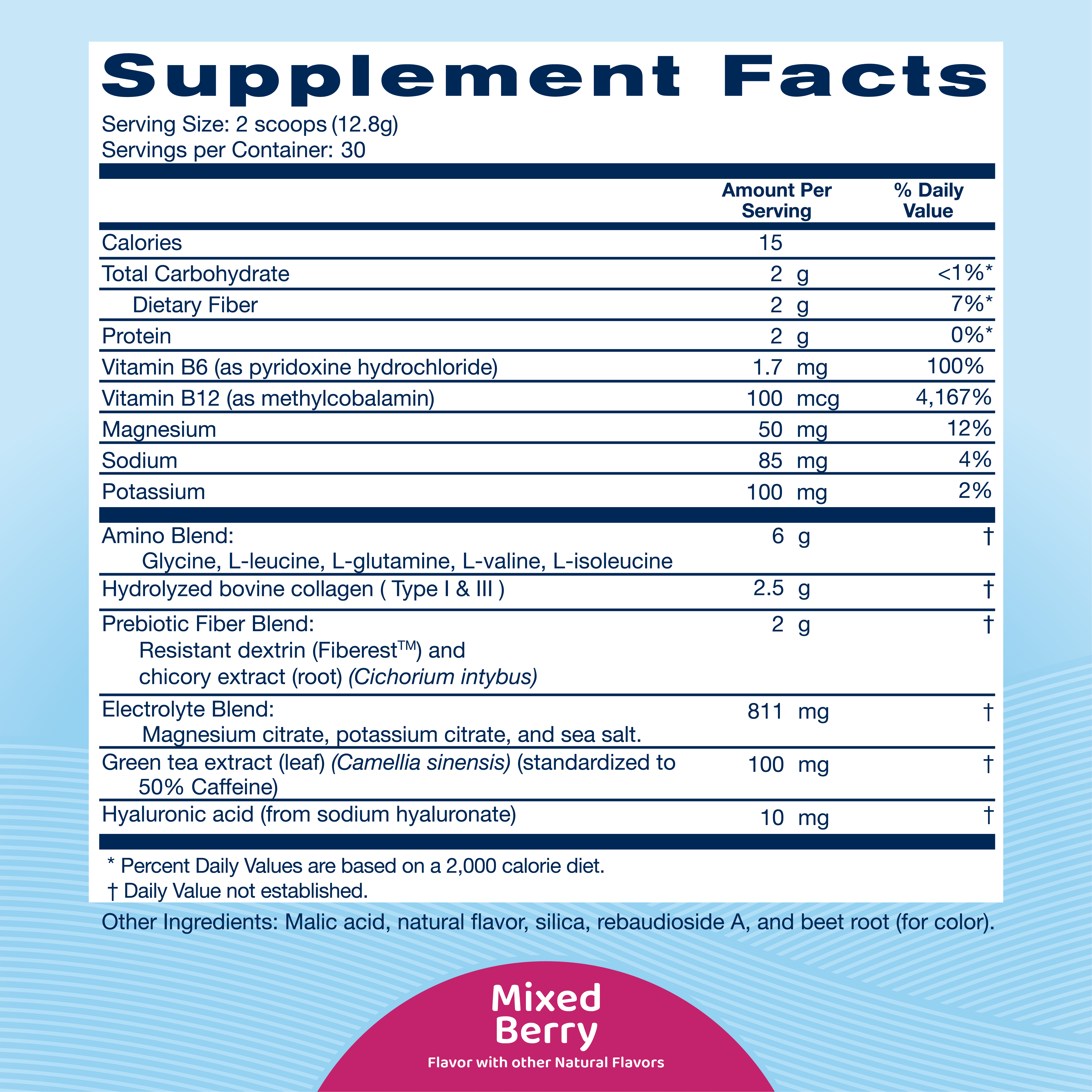
Our Daily Replenisher is an easy sipper for days when appetite is low, but you still want your basics covered. It includes prebiotics (a gentle, fiber-like boost that feeds good gut bacteria), electrolytes to help you absorb fluid, and BCAAs and collagen to support muscles and skin while you’re eating less.
Because GLP-1s slow stomach emptying, many people find that they tolerate small, cold sips of the Replenisher better than large gulps. Pairing prebiotics with fluids can ease that heavy, sloshy feeling and support regularity, both of which help nausea feel more manageable.
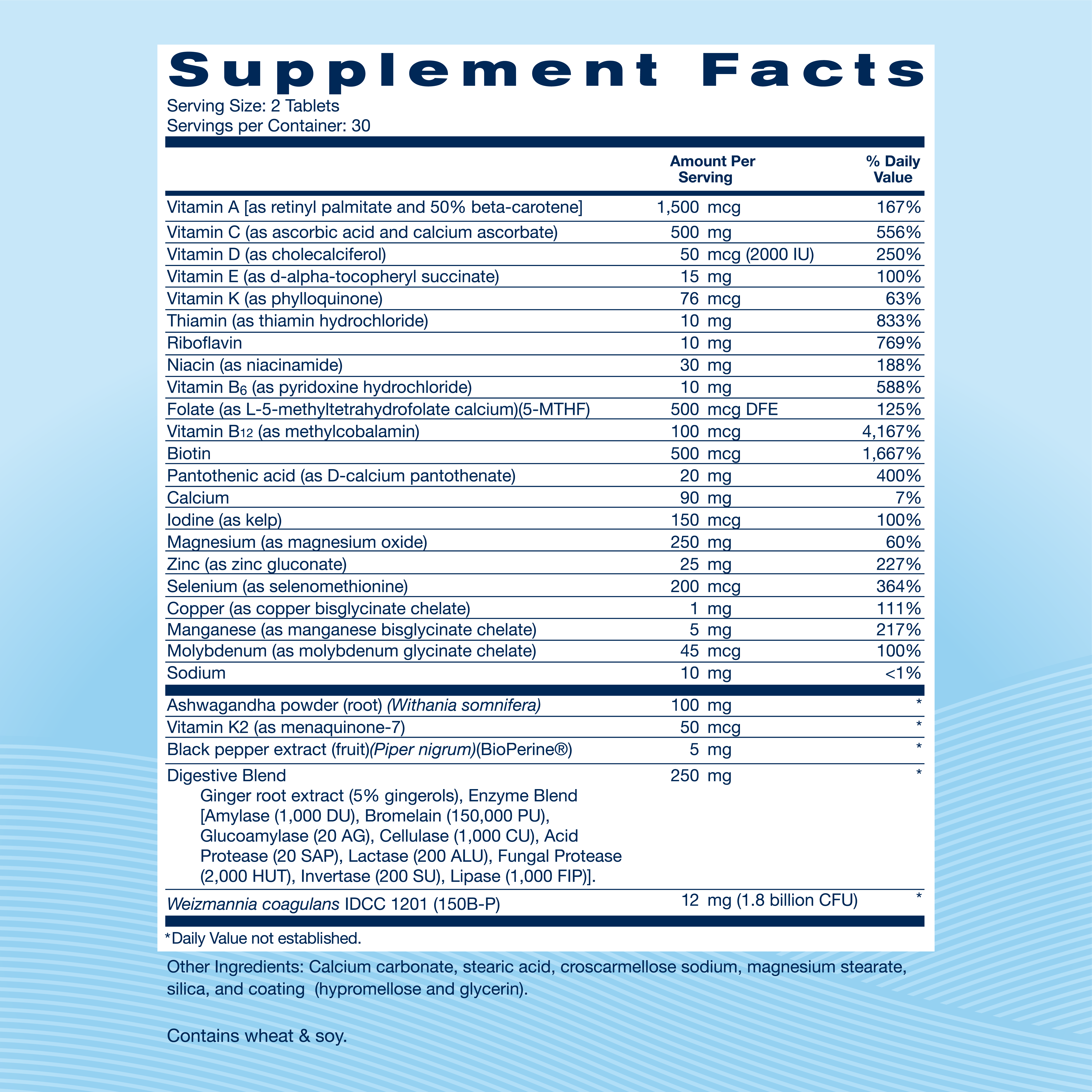
Our Daily Nutritional Supplement includes 22 vitamins and minerals plus a probiotic and digestive enzyme blend, B-complex for energy, ashwagandha for stress support, and BioPerine® to aid absorption.
Together, the pre and probiotics help balance your gut “neighborhood,” which can calm gas, bloating, and the queasy feedback loop common during dose changes.
When your GLP-1 journey feels overwhelming, let us help keep it simple.
The Bottom Line
GLP-1 nausea is common, manageable, and, most importantly, temporary for most people when you pair smart eating habits with a few gentle helpers.
Start with the basics that settle the stomach: smaller, slower meals; low-grease cooking; and steady hydration. Then layer in targeted supplements, one at a time.
Skip common triggers like big or high-fat meals, carbonated drinks, and alcohol, and remember that gradual dose titration can help. Most people notice improvement as their body adapts over a few weeks. If symptoms persist or disrupt your daily life, discuss timing, dose, or prescription anti-nausea options with your care team.
If you want an easy way to cover several bases while you build habits, try Replenza: our Daily Replenisher for prebiotic support, aminos, and electrolytes you can sip, plus our Daily Nutritional Supplement with probiotics, digestive enzymes, and broad micronutrients.
Ready to make GLP-1 management feel doable? Visit Replenza and get started today.
FAQs
How long does GLP-1-related nausea usually last?
Nausea is typically worst in the first two to four weeks and often improves as the body adjusts; symptoms can recur with dose increases or after interruptions. Consistent supplement support during transitions can help.
Can I take a supplement with my GLP-1 injection?
Yes, most supplements are compatible, but timing matters (i.e., fiber ~30 minutes before meals, magnesium in the evening). Confirm your routine with your healthcare provider to avoid interactions.
What if nausea persists despite using supplements?
If symptoms persist after two to three weeks of consistent supplement use, consult your clinician about prescription anti-nausea options (ondansetron, metoclopramide) or GLP-1 dose adjustments or switching medications.
Are there any side effects from the supplements themselves?
Most are well tolerated when introduced gradually; magnesium can cause diarrhea, and excess fiber may cause bloating or gas. Start low and titrate over a week or two.
How do supplements affect my weight-loss results on GLP-1?
Appropriate supplements generally support weight-loss goals by improving comfort, appetite control, and muscle preservation; they do not typically negate GLP‑1 appetite suppression.
Is it safe to combine multiple supplements for nausea relief?
Combining supplements is usually safe if total doses stay within recommended limits and additions are gradual, but check for overlapping ingredients and consult your provider — especially with kidney disease or multiple medications.
Sources:
The Golden Rules of a High Fiber Diet | University of Michigan
Identification of serotonin 5-HT1A receptor partial agonists in ginger | PubMed