How To Feel More Comfortable When Semaglutide Nausea Hits
Share
Key Takeaways:
- Semaglutide-related nausea is common early on and usually improves as your body adjusts.
- Small meals, gentle foods, hydration, and slow eating can make a big difference in day-to-day comfort.
- If nausea is persistent or disruptive, your healthcare provider can help adjust your plan so you can stay on track safely.
If semaglutide has been working for your goals but the nausea keeps sneaking up on you, you are very much not alone. That unsettled, queasy feeling is one of the most common early side effects of GLP-1 medications, and while it can be frustrating, it is also usually manageable.
At Replenza, we work exclusively with people navigating GLP-1 therapy, so we know this part of the journey matters just as much as the results. Nausea does not mean the medication is failing or that your body is doing something wrong. It is typically a sign that your digestive system is adjusting to slower stomach emptying and stronger fullness signals.
The good news is that small, intentional changes can make a big difference. From how you dose and eat to what foods you choose and when you move, there are practical ways to feel steadier and more comfortable while your body adapts.
Why Does Semaglutide Cause Nausea?
Semaglutide is a GLP-1 medication used for the management of Type 2 diabetes and weight loss. It works by mimicking a natural hormone that regulates appetite, slows down digestion, and helps control blood sugar levels. That combination is what makes it effective, and it’s also why nausea can show up early on.
When digestion slows and fullness signals become stronger, the stomach can feel unsettled. Nausea, stomach discomfort, and occasional vomiting are the most commonly reported semaglutide side effects, especially during the first phase of treatment. This is not a sign that something is wrong. It is your body adjusting to a new rhythm.
For most people, semaglutide-induced nausea improves over time as the digestive system adapts. With the right strategies, that adjustment period can feel far more manageable and much less disruptive to daily life.
Start With a Low Dose and Follow Your Dose Escalation Plan
One of the biggest factors in how intense nausea feels is how quickly the dose increases. Semaglutide is designed to be started at a low dose and increased gradually through a process called dose escalation.
Dose escalation means that your healthcare provider increases your dose in small steps over time, allowing your body time to adapt. Following this plan closely is one of the most effective ways to reduce nausea and other gastrointestinal side effects.
Skipping ahead, rushing increases, or doubling doses can overwhelm the digestive system and make symptoms much harder to control. Staying patient here sets the foundation for more comfortable, sustainable progress with both weight and blood sugar goals.
Eat Smaller, More Frequent Meals To Reduce Nausea
Large meals and long gaps between eating can both trigger nausea on semaglutide. Smaller, more frequent meals help prevent the feeling of being overly full that often causes discomfort.
Instead of three large meals, aim for eating every two to three hours. Focus on nutrient-dense portions that combine lean protein with gentle carbohydrates. This approach supports steadier digestion, reduces nausea, and helps maintain stable energy throughout the day.
This style of meal planning for semaglutide also aligns with GLP-1 meal tips for blood sugar control, making it a win on multiple levels.
Choose Bland and Easily Digestible Foods
When nausea hits, simplicity matters. Bland, low-fat, easy-to-digest foods are often the most tolerable during semaglutide adjustment.
A bland diet focuses on mild foods that are gentle on the stomach and unlikely to trigger discomfort. Helpful options include plain crackers, toast, bananas, rice, applesauce, and clear broths. Greasy, spicy, or very rich foods tend to linger longer in the stomach and can worsen nausea.
Foods that calm the stomach often support steadier blood sugar as well, which helps reinforce the benefits of GLP-1 medications.
Stay Hydrated Throughout the Day
Hydration plays a bigger role in nausea relief than many people realize. Dehydration can intensify stomach discomfort and make nausea feel harder to shake.
Sipping fluids throughout the day is more effective than drinking large amounts at once. Small, frequent sips help maintain hydration without adding pressure to the stomach.
In addition to water, gentle options like ginger tea, clear broths, or light electrolyte drinks can be easier to tolerate. Consistent hydration supports digestion, absorption, and overall comfort during semaglutide treatment.
Practice Mindful and Slow Eating Habits
How you eat matters just as much as what you eat. Eating too quickly can overwhelm digestion and trigger nausea before fullness cues have time to register.
Mindful eating means slowing down, chewing thoroughly, and pausing between bites. This gives your digestive system time to respond and reduces the chance of discomfort.
A simple mindful eating flow:
- Take smaller bites
- Chew fully
- Pause briefly between bites
- Stop at the first sign of comfortable fullness
Mindful eating on GLP-1 therapy helps reduce nausea while building a more intuitive relationship with food.
Adjust Meal Timing Around Medication Doses
Nausea often feels worse on an empty stomach. Taking semaglutide with no food at all can increase the chance of discomfort for some people.
A light snack or small meal before or shortly after your dose can help buffer the stomach and reduce nausea. This might look like a few crackers with protein, a small yogurt, or a gentle smoothie.
Being intentional with meal timing and GLP-1 dosing can make your routine feel smoother and easier to maintain long-term.
Limit Physical Activity Immediately After Eating
Movement is important, but timing matters when nausea is in the picture. Strenuous activity right after eating can worsen stomach upset.
After meals, opt for gentle movement such as a short walk or light stretching. Save more intense workouts for at least 30 to 60 minutes later, once digestion has settled.
Postprandial activity refers to movement after eating. Maintaining a moderate level of activity helps digestion, while intense exercise too soon can disrupt it.
Consider Anti-Nausea Medications and Natural Remedies
If lifestyle adjustments are not enough, additional support may help. Some over-the-counter anti-nausea medications may be suitable for moderate symptoms, but it is always recommended to consult your healthcare provider before use.
Natural nausea relief options with some supporting evidence include ginger in tea or chew form, peppermint, and acupuncture. These can be helpful tools when symptoms are persistent but not severe.
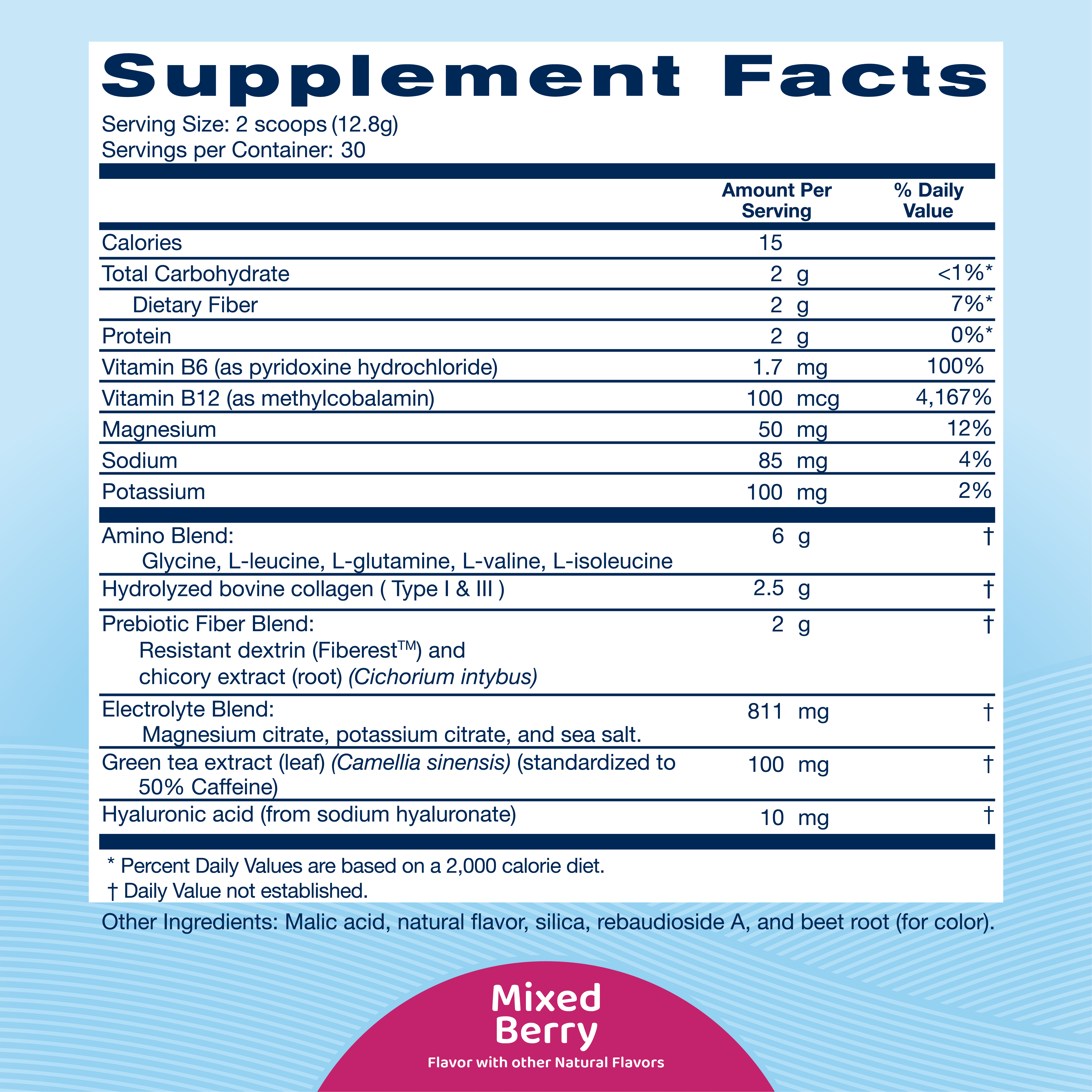
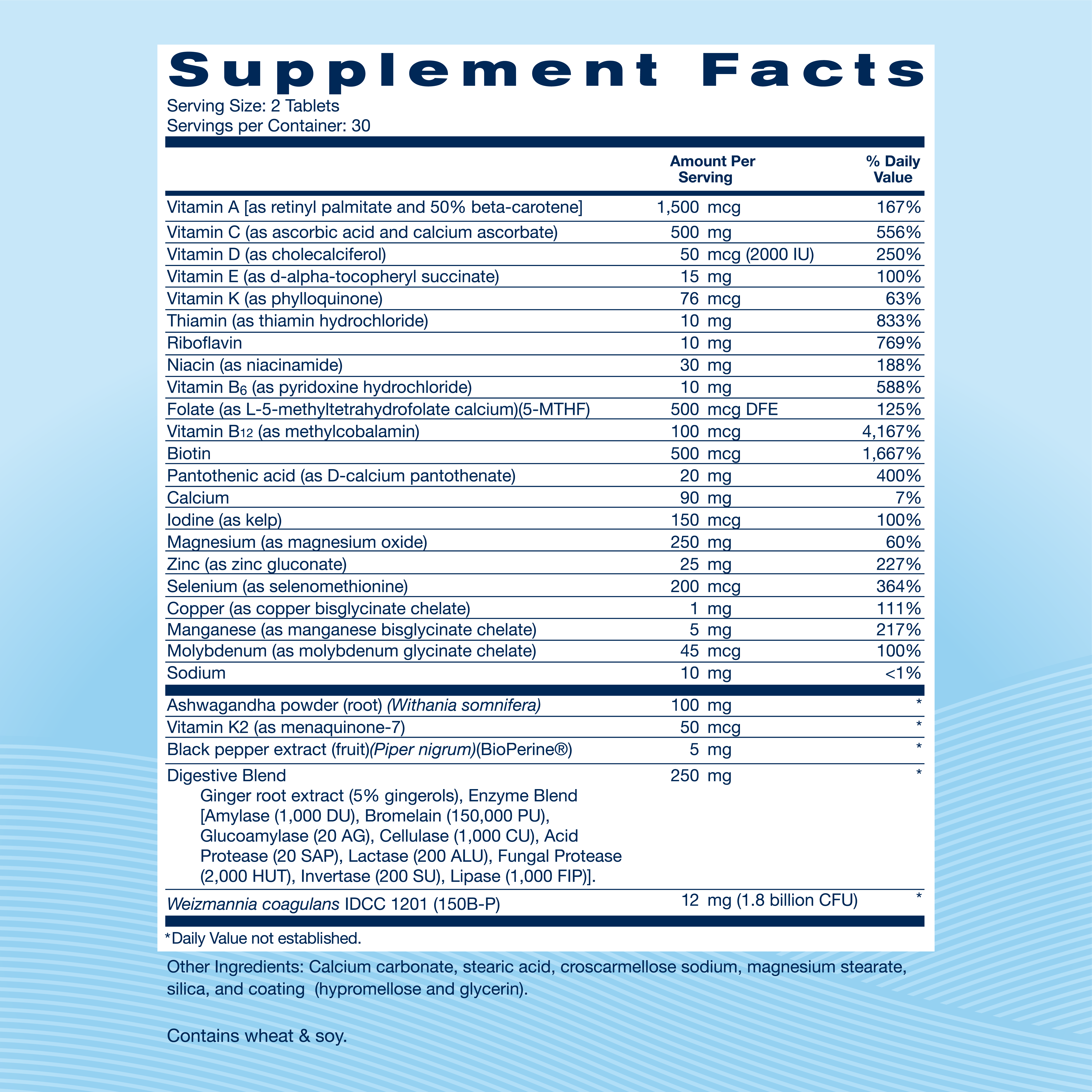
Some supplements designed specifically for GLP-1 users, like Replenza, are NSF-certified and formulated to support digestive health while addressing nutrient gaps that can worsen fatigue and discomfort during periods of reduced intake.
Seek Support From Healthcare Providers When Needed
You never need to push through severe nausea alone. If symptoms persist, worsen, or interfere with daily life, reaching out to your healthcare provider is the right move.
Call your provider if you experience:
- Ongoing vomiting
- Difficulty keeping fluids down
- Signs of dehydration
- Severe or persistent abdominal pain
Knowing when to call a doctor for semaglutide nausea is part of safe, effective GLP-1 side effect management. Support is there to help you stay on track comfortably.
FAQs
What foods help reduce nausea caused by semaglutide?
When nausea hits, bland, low-fat foods like crackers, toast, rice, applesauce, bananas, and broths are usually easiest on the stomach, while greasy or spicy foods tend to make symptoms worse.
How can hydration improve semaglutide-related nausea?
Sipping water or clear fluids throughout the day helps prevent dehydration, supports digestion, and can noticeably ease nausea compared to drinking large amounts all at once.
Are there natural remedies to relieve nausea on semaglutide?
Yes, gentle options like ginger tea, peppermint, slow mindful eating, and even light abdominal massage can help calm mild nausea for many people.
When should I contact a healthcare professional about nausea?
You should reach out if nausea is severe, lasts more than a few weeks, or comes with vomiting, dehydration, or trouble keeping food and fluids down.
Sources:
Semaglutide: Uses, Dosage, Side Effects, Brands | Drugs.com
Can Ozempic Cause Nausea? How to Get Relief | GoodRx
Taking a GLP-1? Here are foods to limit — and what to prioritize | Ohio State
7 Tips for Navigating Nausea on a GLP-1 Medicine | Dia Tribe