How Quickly Can I Lose Weight on a GLP-1?
Share
Key Takeaways:
- GLP-1 medications support steady, meaningful weight loss, but results unfold gradually.
- The most visible weight loss typically occurs between three and six months.
- Protecting muscle, hydration, and nutrient intake is essential for feeling good and sustaining results.
If you’ve started a GLP-1, you’ve probably asked: How fast is this supposed to work?
GLP-1 weight loss isn’t instant, and it isn’t linear. It follows a pattern shaped by dosing, biology, habits, and how well your body is supported as food intake drops.
Let’s break down how GLP-1s actually drive weight loss, what most people see in the first weeks and months, and how Replenza nutritional support can help you on your journey.
GLP-1 Medications and Weight Loss
GLP-1 receptor agonists are prescription medications that work with your body’s natural hunger signals, not against them. They mimic a hormone called glucagon-like peptide-1, which helps regulate appetite, increase feelings of fullness, and slow digestion so you eat less without constantly feeling deprived.
These medications were originally developed for type 2 diabetes, but doctors now prescribe them widely for medical weight management.
In clinical research, earlier GLP-1s were associated with about 3-5% body-weight reduction over six to twelve months, while newer options like semaglutide and tirzepatide average closer to 12-18% weight loss over a year. Those numbers help set expectations, but they’re averages, not guarantees. How quickly you lose weight depends on timing, dosing, and how your body responds along the way.
Typical Weight Loss Timeline on GLP-1s
Most GLP-1 weight loss follows a predictable rhythm, even if the scale doesn’t move every week. Appetite changes often come first, followed by visible weight loss once dosing increases and the body adapts.
Many people notice appetite suppression within the first few days to one week. Actual scale changes usually appear between weeks four and eight, once your body has adjusted to eating less and digestion has slowed. The most noticeable shifts tend to happen between weeks eight and twelve, when dosing reaches a more effective level.
Over the course of a year, consistent GLP-1 use leads most people to lose about 12-18% of their starting body weight. That loss doesn’t happen all at once. It unfolds in stages, with faster progress early on and a gradual slowdown later.
Weight Loss in the First Month
The first month can feel deceptively quiet. Most people lose about 1-2% of their starting body weight during the first four weeks.
This slower start isn’t a sign that the medication isn’t working. GLP-1s are intentionally introduced at low doses to minimize side effects, and meaningful appetite suppression often builds gradually. During this phase, success is better measured by changes in hunger, portion sizes, and food noise rather than the scale alone.
Feeling satisfied sooner, forgetting to snack, or realizing you didn’t think about food all afternoon are early signals that the medication is doing its job.
Progress During Three to Six Months
Months three through six are when GLP-1 weight loss usually becomes much more visible. By this point, many users reach a steady dose and experience consistent appetite suppression. Research shows that 5-10% total body-weight loss is common within this window.
This period often delivers the fastest monthly losses. Semaglutide users frequently approach 12% weight loss by six months, while tirzepatide users may reach 15-18% in the same timeframe. Clothes fit differently, energy shifts, and the scale finally feels like it’s cooperating.
Consistency matters most here. Staying on schedule with medication, eating enough protein, and supporting your body nutritionally helps prevent burnout or unnecessary muscle loss as weight drops.
Long-Term Weight Loss Beyond One Year
After about twelve to fifteen months, weight loss tends to plateau. Most GLP-1 users level out between 12-18% total loss, and the rate of change slows significantly.
Long-term data beyond two years is still limited, which is why maintenance planning matters. Some people stop treatment due to side effects, cost, or frustration with plateaus. Others continue with lower doses or structured support. Provider guidance plays a significant role in maintaining results and preventing regrowth during this phase.
At this stage, the focus shifts from losing more weight to maintaining what you’ve achieved while protecting muscle, metabolism, and overall health.
What Factors Affect Weight Loss Speed?
GLP-1 results vary widely, even among people taking the same medication. Several factors influence how quickly weight comes off, including the rate at which you reach your effective dose, your starting weight, daily activity level, food quality, sleep patterns, and baseline metabolism.
Some people respond strongly at lower doses, while others need more time. Tracking trends rather than comparing timelines keeps expectations realistic and stress levels lower throughout the process.
Dose Titration and Medication Adjustment
GLP-1 medications are introduced slowly on purpose. Most dosing schedules increase over twelve to twenty weeks to reduce nausea and gastrointestinal discomfort. For some users, appetite control doesn’t fully kick in until the maintenance dose is reached.
This means visible weight loss may lag behind early expectations. Regular provider check-ins allow doses to be adjusted thoughtfully, side effects to be managed, and progress to stay on track without rushing the process.
Individual Metabolism and Lifestyle Factors
No two bodies respond the same way. Genetics, starting BMI, sleep quality, stress, and movement habits all shape GLP-1 outcomes. People who maintain consistent routines in terms of activity and nutrition often see steadier results over time.
Medication can open the door, but habits decide how far you walk through it. Sustainable weight loss is still built on patterns that support long-term health.
Calorie Intake and Nutritional Balance
GLP-1s reduce appetite, but weight loss still depends on calorie balance. Eating less than your body uses remains the fundamental driver of fat loss, even with medication support.
Because portions shrink quickly on GLP-1s, nutrient density becomes more important than ever. Protein, fiber, hydration, and micronutrients help prevent fatigue, muscle loss, and stalls as intake drops.
Managing Muscle Loss and Supporting Metabolism
One of the biggest concerns with rapid weight loss is muscle loss. Studies suggest that up to 60% of weight lost on GLP-1s can come from lean mass if muscle isn’t actively supported. That matters because muscle helps regulate metabolism, energy, and long-term weight maintenance.
Strength or resistance training two to three times per week, paired with adequate protein intake, can significantly reduce muscle loss. When appetite makes eating enough difficult, targeted supplementation becomes especially helpful.
Supporting Your GLP-1 Journey
GLP-1 medications change how much you eat, but they don’t reduce your body’s need for nutrients. Hydration, protein, fiber, electrolytes, and essential vitamins remain critical, even as calories drop.
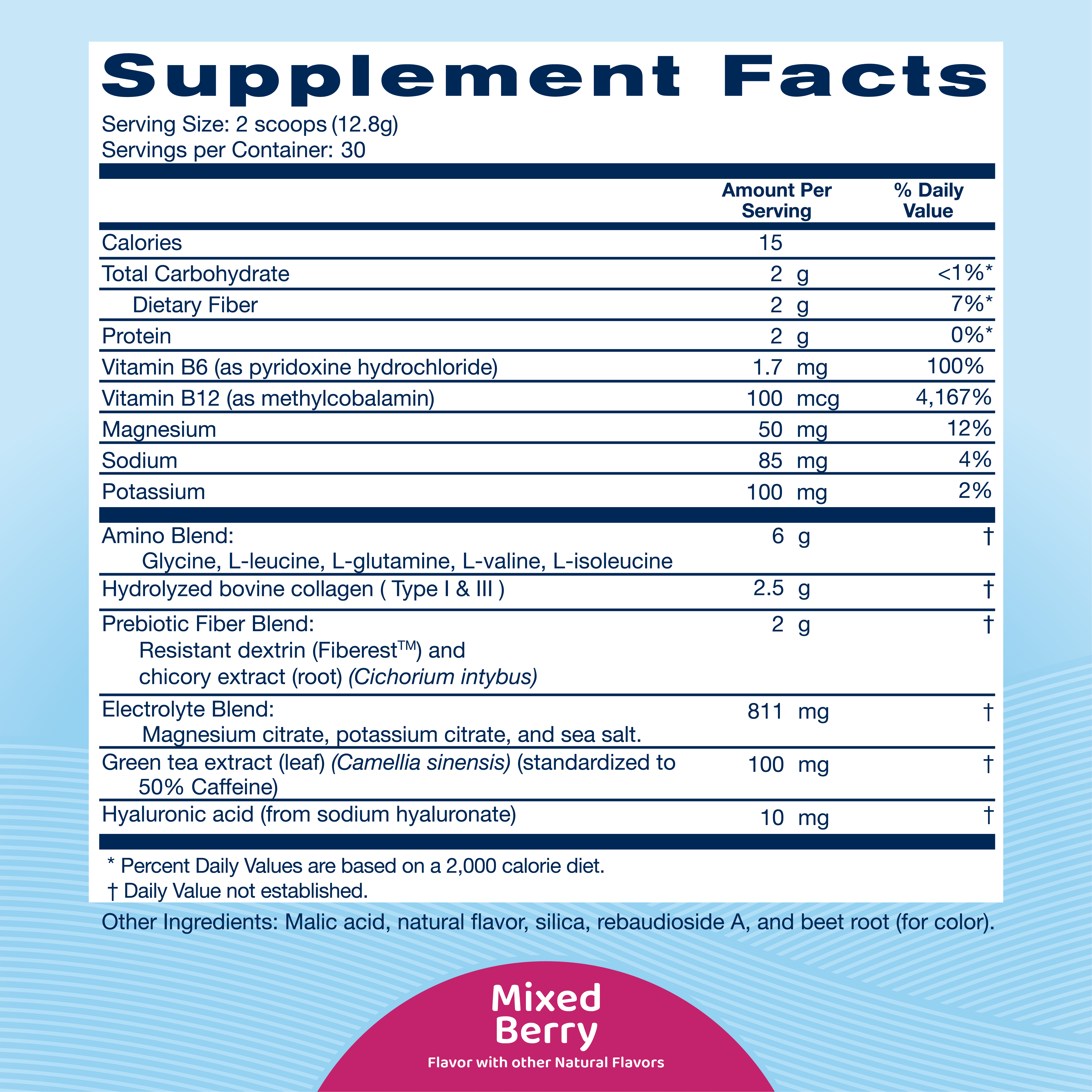
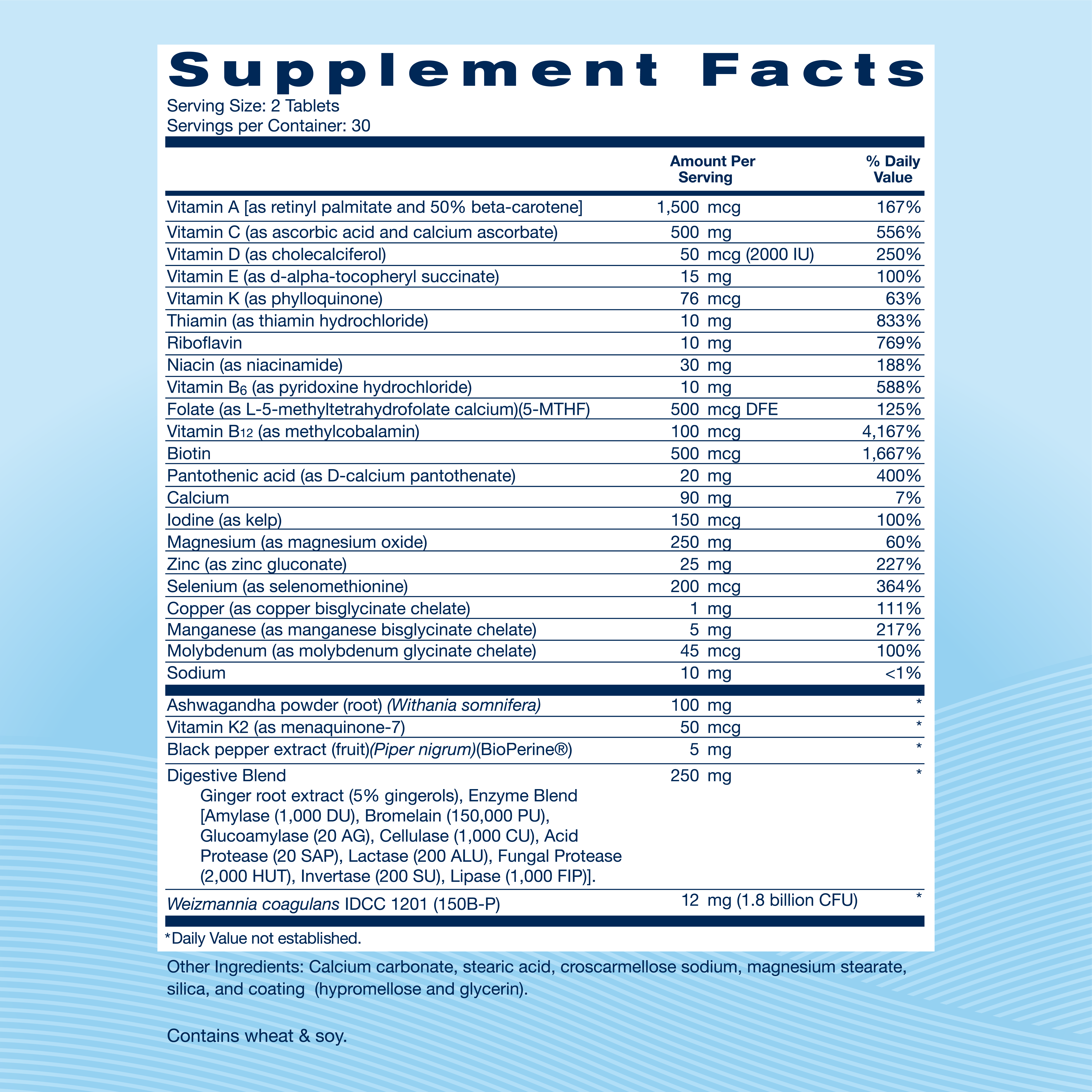
This is where physician-formulated nutritional support like Replenza fits in. GLP-1s can increase the risk of dehydration, vitamin depletion, and protein shortfalls, especially during faster weight-loss phases. Replenza was designed to fill these gaps. Our Daily Replenisher helps keep your electrolyte levels in check, while our Daily Nutritional Supplement covers essential vitamins and minerals.
With the right tools at your disposal, you can keep working toward your goals comfortably.
FAQs
How soon will I notice reduced appetite after starting GLP-1s?
Most people notice a decrease in appetite within the first few days to one week after starting GLP-1 treatment, though visible weight changes usually take several weeks.
What is a healthy rate of weight loss on GLP-1 medications?
A healthy rate of weight loss on GLP-1s is about one to two pounds per week, with many people reaching five to ten percent of their starting body weight lost over three to six months.
Can I prevent muscle loss while losing weight with GLP-1s?
Yes, muscle loss can be reduced by eating enough protein and incorporating regular strength or resistance training while using GLP-1 medications.
Why might my weight loss plateau after several months?
Plateaus are common as your body adapts to a lower weight and reduced calorie intake, and adjustments to nutrition, activity, or dosage with your provider may help restart progress.
Is ongoing GLP-1 treatment necessary to maintain weight loss?
Continuing GLP-1 medication can help maintain weight loss, but long-term success also depends on sustainable eating habits, movement, and nutritional support.
Sources:
In the gray world of GLP-1 supplements online, health experts urge caution | PBS News
Do You Need to Take Wegovy Forever? Maybe, If You Want to Maintain Weight Loss | GoodRx
How Long Does It Take for Tirzepatide to Work? | Lite Medical
Are the New Weight Loss Drugs Too Good to Be True? | UCSF Magazine
A new era of weight loss: Mental health effects of GLP-1 drugs | APA