How Long Do Semaglutide Side Effects Last?
Share
Key Takeaways:
- Most semaglutide side effects are temporary and improve within the first two to eight weeks as your body adapts.
- The pace of dose increases, hydration, and food choices play a major role in how intense and long-lasting side effects feel.
- Supporting your nutrition and staying in close communication with your provider helps make the adjustment period smoother and more manageable.
Starting semaglutide can be exciting, but side effects can make you wonder what’s normal and how long they’ll last.
At Replenza, we know the uncertainty is often the hardest part. The good news: semaglutide side effects usually follow a predictable pattern and are temporary for most people. Understanding why they happen and when they typically improve can help you stay confident and on track.
Below, we explain how semaglutide works, the most common side effects, how long they usually last, and what helps.
What Are Some Common Semaglutide Side Effects?
Not all side effects last the same amount of time, and not everyone experiences them equally. Nausea is by far the most common symptom and usually appears early in treatment. For most people, it improves within two to eight weeks as the body adapts.
Vomiting and diarrhea often occur during the first few weeks, particularly after dose increases. Diarrhea may come and go throughout treatment, while headaches and abdominal discomfort typically lessen over time. Constipation can appear later and may persist if hydration or fiber intake is low.
The key pattern to know is this: symptoms tend to be strongest early on and ease as your system adjusts, especially when dosing is gradual.
Why Do Semaglutide Side Effects Occur?
Semaglutide changes how quickly food moves through your digestive system. By slowing digestion and altering gut motility, it creates the fullness and appetite control that make it effective, but those same mechanisms can also trigger nausea, bloating, or discomfort.
Dose size and speed of titration play a big role, too. When doses increase too quickly, the digestive system has less time to adapt, which can intensify symptoms. Over time, most bodies recalibrate to the medication’s effects.
Importantly, these side effects are usually a sign of adjustment, not harm. Understanding this can make the experience feel less alarming and easier to manage.
Typical Timeline for Semaglutide Side Effects
While experiences vary, most people follow a similar adjustment curve:
-
Weeks 1-2: Side effects often begin, especially nausea and reduced appetite.
-
Weeks 2-4: Symptoms may peak as the body responds to the medication.
-
Weeks 4-8: Most gastrointestinal side effects noticeably improve or resolve.
- Beyond 8 weeks: Mild or intermittent symptoms may persist for some, particularly after dose changes.
People with sensitive digestive systems may experience low-level symptoms longer, but severe effects beyond this window are less common.
What To Know About Semaglutide
Semaglutide is an FDA-approved GLP-1 receptor agonist prescribed for type 2 diabetes and weight management. It works by mimicking a naturally occurring hormone in your body that regulates appetite, blood sugar, and digestion. By slowing stomach emptying and increasing feelings of fullness, semaglutide helps reduce calorie intake and improve blood sugar control.
Because of how it works, many of the most common side effects are gastrointestinal. These include nausea, vomiting, diarrhea, constipation, bloating, and abdominal discomfort, especially during the early stages of treatment. For most people, these effects show up shortly after starting or increasing a dose.
At the same time, semaglutide delivers meaningful benefits. Clinical trials show average weight loss of around 12 percent, improved insulin sensitivity, and reduced cardiovascular risk in certain populations. Understanding both sides of the equation helps set realistic expectations from the start.
What Factors Influence Semaglutide Side Effects?
Several variables affect the duration of semaglutide side effects. Dose escalation is one of the biggest factors. Slower increases generally mean fewer and shorter-lasting symptoms.
Pre-existing gastrointestinal conditions, such as reflux or irritable bowel patterns, can also extend discomfort. Individual metabolism, hydration status, and concurrent medications may play a role as well.
Risk factors that can prolong symptoms include rapid dose increases, existing digestive issues, medication sensitivity, and inconsistent eating or hydration habits.
How Can You Manage Semaglutide Side Effects?
Most side effects can be reduced with simple, consistent strategies. Starting at the lowest possible dose and increasing slowly gives your body time to adjust. Following your provider’s dosing schedule closely is essential.
Early on, eating smaller meals and choosing low-fat, low-spice foods can significantly reduce nausea. Staying well hydrated helps prevent headaches and fatigue, especially if vomiting or diarrhea occurs.
Some people benefit from provider-recommended over-the-counter remedies, but ongoing communication with your healthcare team matters most. Mild symptoms are expected, but persistent or worsening ones typically deserve attention.
When To Seek Medical Attention for Side Effects
While most semaglutide side effects are manageable, certain symptoms require prompt medical evaluation. These include persistent vomiting, severe abdominal pain, blood in the stool, signs of dehydration, or symptoms that interfere with daily functioning.
Rare but serious complications such as pancreatitis or gallbladder issues require immediate care. Trust your instincts and contact your provider if something feels off or unmanageable.
Supporting Your Health While Taking Semaglutide
Nutrition becomes even more important during semaglutide therapy. Reduced appetite can make it harder to meet protein, vitamin, and mineral needs, especially during the adjustment phase.
Focusing on nutrient-dense, easy-to-digest foods helps support energy, muscle health, and recovery. Staying hydrated and prioritizing protein can reduce fatigue and protect lean mass.
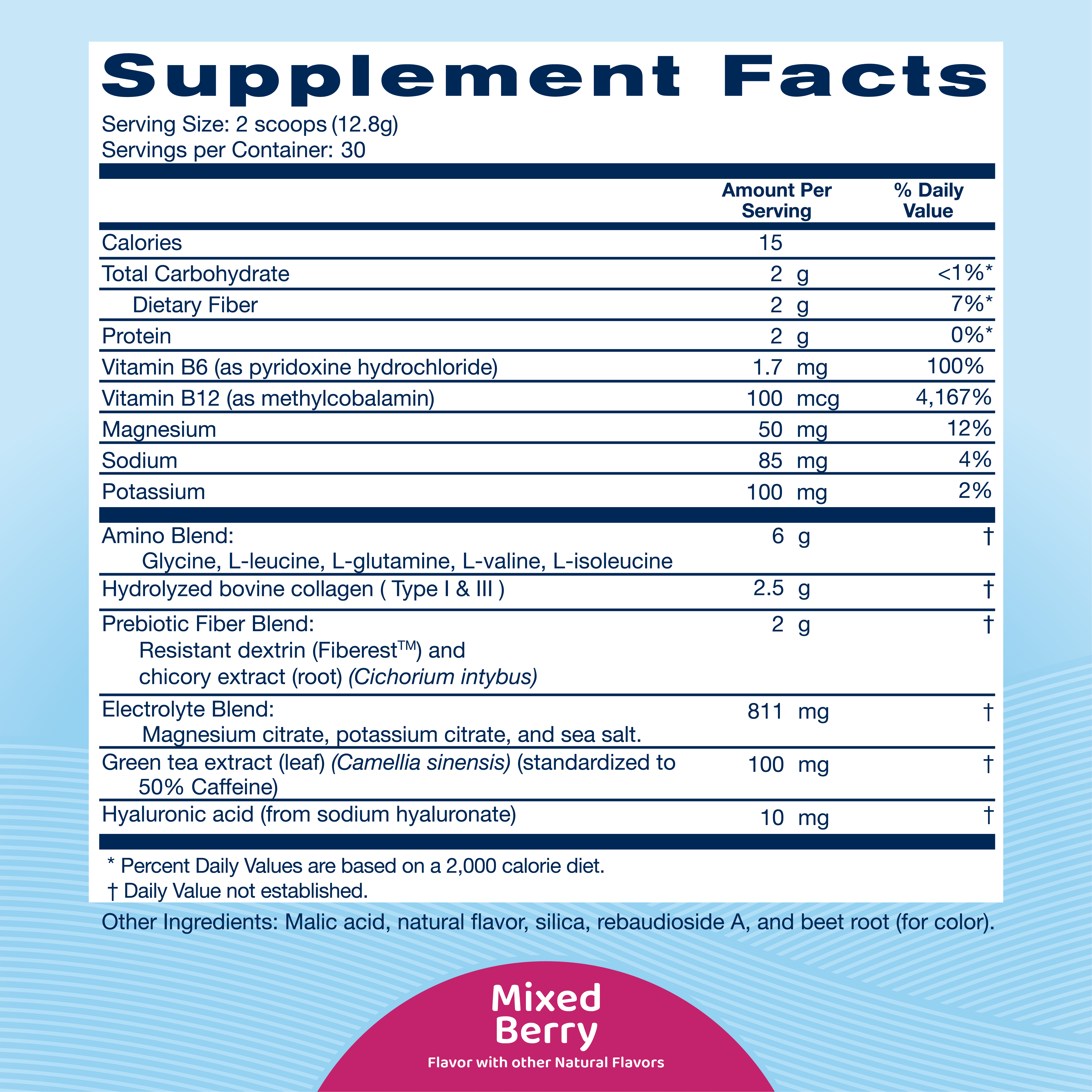
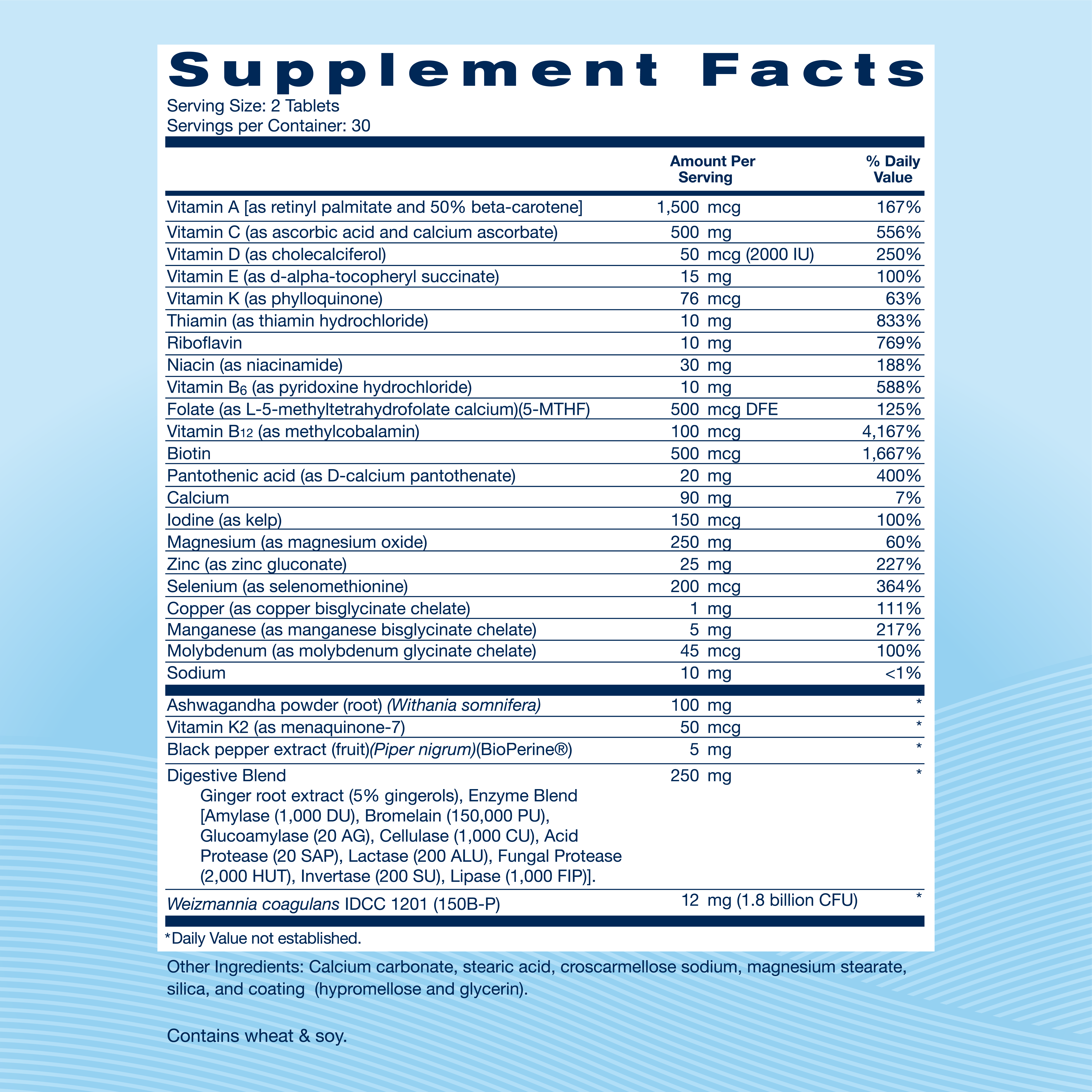
Targeted nutritional support designed specifically for GLP-1 users, such as Replenza, can help bridge common gaps caused by lower food intake. Supporting digestion, replenishing key nutrients, and maintaining overall vitality can make the entire experience feel more sustainable and comfortable.
FAQs
How long does nausea from semaglutide usually last?
For most people, nausea shows up early, peaks in the first couple of weeks, and starts easing within two to four weeks as your body adjusts, though it can linger closer to six to eight weeks for some.
Can semaglutide side effects last longer than the first few weeks?
Yes, but usually in a milder way. While the roughest symptoms tend to fade within the first two to eight weeks, low-level digestive discomfort can pop up again after dose increases or during adjustment periods.
What actually helps reduce how long side effects last?
Going slow with dose increases, sticking to simple, lower-fat meals at first, staying well hydrated, and listening to your provider’s guidance all make a noticeable difference.
How long does semaglutide stay in your system after stopping?
Semaglutide takes about four or five weeks to fully clear from the body, and most side effects fade gradually as the medication leaves your system.
When should I reach out to my healthcare provider about side effects?
If symptoms feel severe, don’t improve over time, or start interfering with daily life, especially ongoing vomiting, intense abdominal pain, or signs of dehydration, it’s time to check in.
Sources:
Semaglutide (Ozempic): How It Works & Side Effects | Cleveland Clinic
19 Side Effects of Semaglutide for Type 2 Diabetes (Ozempic) and Weight Loss (Wegovy) | Good RX
Semaglutide: Double-edged Sword with Risks and Benefits | PMC