GLP-1 Weight Loss: How To Stay Healthy While Losing Weight
Share
Starting a GLP-1 medication can change more than just your appetite. Meals feel smaller, your energy shifts, and the number on the scale finally starts to move. It’s exciting, but it also raises an important question: how do you make sure you’re staying healthy while the weight comes off?
Lasting results come from more than medication alone. It’s about protecting your muscles, keeping your metabolism steady, and giving your body the nutrients it needs to thrive. Because when your nutrition, movement, and supplements all work together, weight loss feels smoother and more sustainable.
In this guide, we’ll break down exactly how to stay balanced on your GLP-1 journey so you can feel your best while reaching your goals. Plus, we’ll talk about how Replenza can help.
Start With Medical Guidance Before GLP-1 Therapy
Before starting any GLP-1 medication, it’s essential to have a plan that’s built for you. These medications — like semaglutide (Ozempic, Wegovy) or orforglipron — are powerful prescription treatments originally developed to help manage type 2 diabetes and are now widely used for medical weight loss.
They work by mimicking a natural hormone (glucagon-like peptide-1) that regulates appetite, digestion, and blood sugar levels.
The best results start with the right foundation. Meet with your healthcare provider to discuss whether GLP-1 therapy is appropriate for your health goals, lifestyle, and medical history.
Together, you can:
-
Set realistic weight-loss goals that prioritize health over speed.
-
Identify personal risk factors like blood pressure, thyroid history, or medication interactions.
- Create a monitoring plan for lab work, side effects, and dose adjustments as your body adapts.
Ongoing professional guidance is key. Everyone responds differently to GLP-1 therapy, and new research even suggests that genetics may play a role. People with certain “responsive” gene variants could be up to 82% more likely to experience significant weight loss, while others may need different strategies.
Starting under medical supervision ensures your plan is safe, sustainable, and designed for long-term success.
Follow a Balanced, Nutrient-Rich Diet
When your appetite drops on a GLP-1, every bite counts. The goal isn’t to eat more, but to eat smarter. Choosing nutrient-dense foods helps you stay energized, protect your muscles, and keep your blood sugar steady, even when portions are smaller.
Focus on high-protein and high-fiber foods. Both help you feel full longer and keep hunger in check, which is especially helpful when your natural cues start to change. Protein supports lean muscle, while fiber promotes digestion and smooth, sustained energy throughout the day.
Build your meals around real, satisfying foods like lean meats, fish, tofu, legumes, whole grains, fruits, and plenty of colorful vegetables. When you’re eating less overall, these foods pack in the nutrients your body still needs to feel strong and balanced.
High-fiber foods are plant-based carbohydrates that aren’t fully digested, like whole grains, vegetables, beans, and fruits. They promote digestive health and help you stay comfortably full between meals.
Eating this way keeps your energy steady and your progress sustainable.
Manage Dietary Choices To Reduce Side Effects
Even when GLP-1 medications are working exactly as they should, slower digestion can take some getting used to. Nausea, bloating, and constipation are among the most common side effects, especially in the first few weeks.
The good news is that what and how you eat can make a big difference.
High-sugar, high-fat, or heavily processed foods tend to make these symptoms worse. Instead, stick with simple, gentle meals that are easier to digest. You don’t have to overhaul your diet overnight, just make a few smart swaps and pay attention to how your body responds.
Here are a few strategies that help most people feel better fast:
-
Eat smaller, more frequent meals. Large meals can overwhelm your digestive system. Try four or five light meals or snacks spaced evenly throughout the day instead of three big ones.
-
Stay hydrated. Water helps digestion run smoothly and prevents constipation. Aim for at least two liters daily, and add electrolytes if you’re sweating more or exercising.
-
Keep meals mild and balanced. Foods that are too spicy, greasy, or acidic can trigger nausea. Stick to bland, low-fat options like toast, rice, oatmeal, or grilled chicken until your stomach settles.
-
Limit added sugars and refined carbs. Processed snacks, pastries, and sugary drinks can spike blood sugar and worsen fatigue or bloating. Choose complex carbs like quinoa, sweet potatoes, or lentils instead.
-
Track your triggers. Everyone’s tolerance is different. Keeping a short food log for a week or two can help pinpoint what makes you feel your best and what doesn’t.
- Check in with a dietitian. If side effects linger or your appetite drops too low, a registered dietitian can tailor your plan to your specific GLP-1 and nutrient needs.
These digestive side effects happen because GLP-1 medications naturally slow how quickly your stomach empties, giving you that “full” feeling longer. By keeping your meals gentle and balanced, most people find the symptoms ease with time, and eating becomes enjoyable again.
Prioritize Regular Physical Activity
When you’re losing weight on a GLP-1, the goal is to make sure what you’re losing is fat, not muscle. Regular movement keeps your metabolism strong, protects lean muscle, and helps maintain steady energy levels as your body adjusts.
Aim for about 30-45 minutes a day of walking, cycling, or swimming. These forms of movement support heart health and help your body maintain strength and endurance through weight loss.
Strength training is important, too. Lifting weights or doing resistance exercises two to three times a week can prevent what’s known as skeletal muscle atrophy: the gradual loss of muscle that can happen when calorie intake drops too quickly.
Preserving muscle helps your metabolism stay active and supports a stronger, more toned body composition overall.
Exercise also helps reduce stress, improve mood, and boost confidence. Whether it’s yoga, Pilates, or a quick walk with a podcast, movement can make your GLP-1 routine feel more balanced and empowering.
In short: find activities you actually enjoy and can stick with. A consistent mix of movement, no matter how small, is one of the best ways to stay healthy and energized while the weight comes off.
Use Nutritional Supplements
If you’re eating less, it can also mean you’re getting fewer nutrients than your body’s used to.
Over time, this can manifest as fatigue, slower recovery, changes in skin texture, or even muscle loss. Supplements help fill those nutritional gaps, allowing you to stay strong, energized, and balanced as the weight comes off.
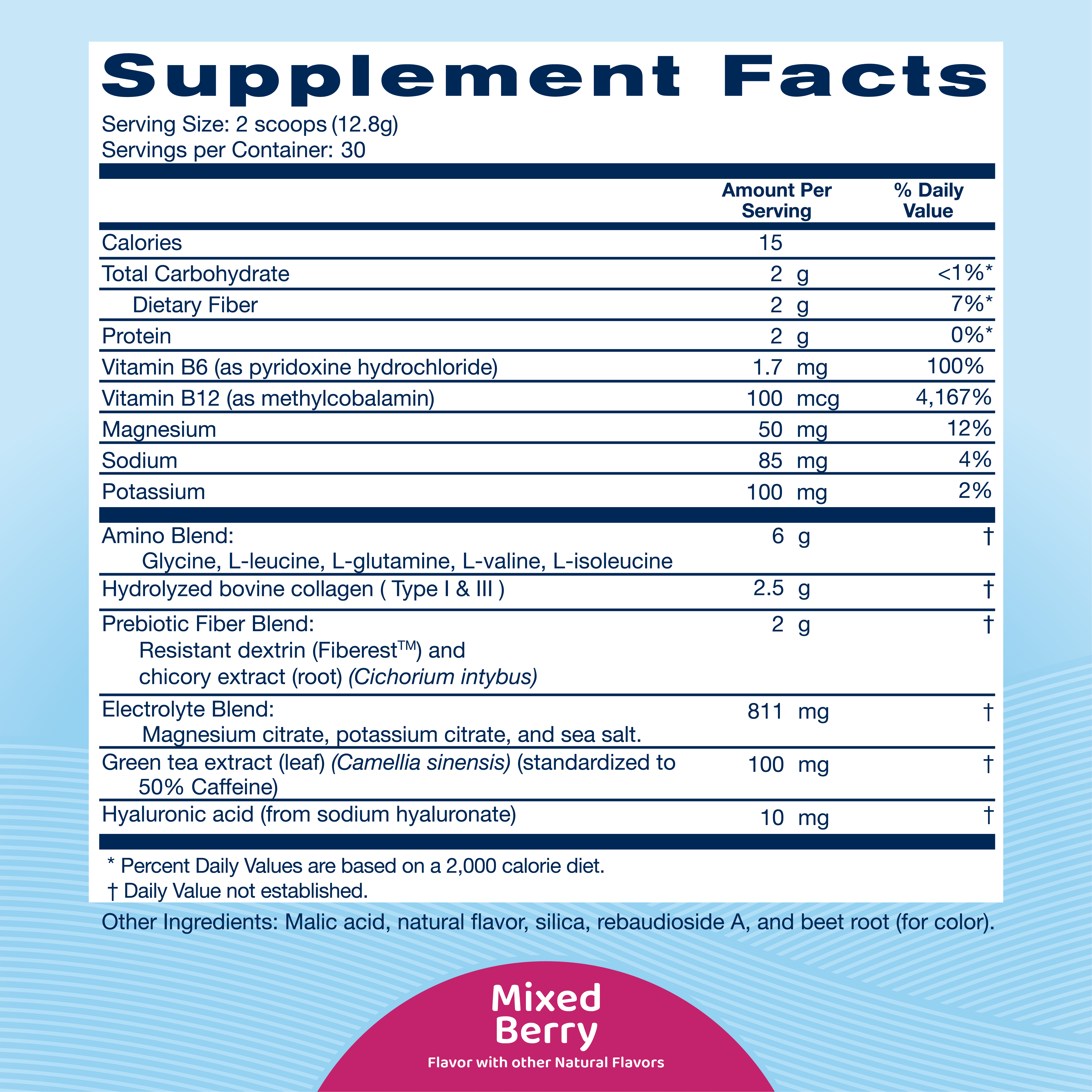
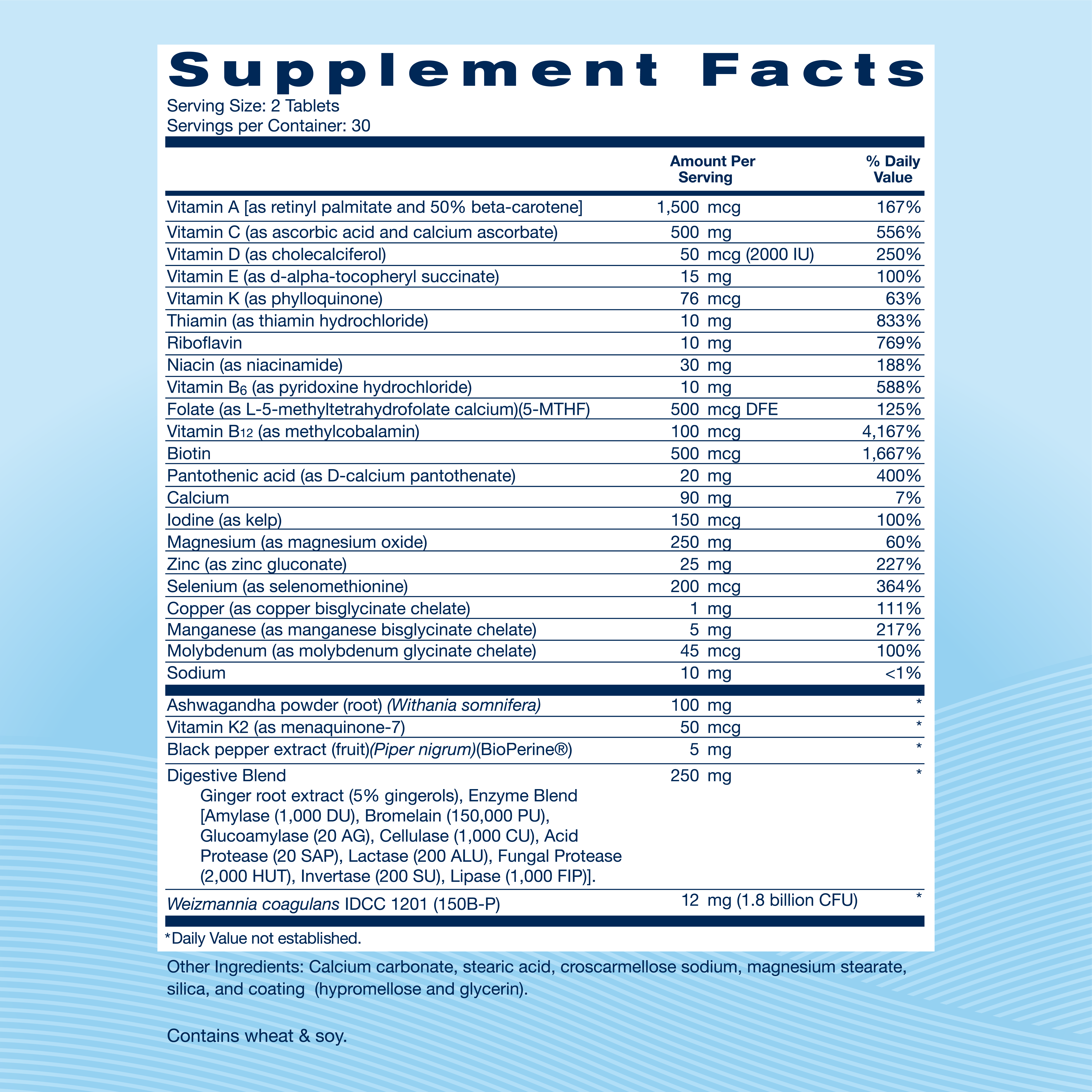
That’s exactly where Replenza fits in. Created by physicians and backed by science, it’s a supplement designed specifically for people using GLP-1 medications. Each serving delivers a clinical blend of protein, vitamins, minerals, amino acids, and probiotics to support energy, digestion, and overall wellness.
Replenza is built to help you feel your best from every angle:
-
Muscle recovery: Amino acids to preserve lean strength while losing weight.
-
Skin elasticity: Collagen-supporting nutrients that keep your glow steady even as body composition changes.
-
Digestive balance: Probiotics and gentle fiber to keep digestion moving smoothly.
- Sustained energy: Key vitamins and minerals that combat the dips that can come with smaller meals.
For busy professionals or anyone juggling work, wellness, and GLP-1 treatment, Replenza makes staying nourished simple with our Daily Replenisher and Daily Nutritional Supplement.
Monitor Your Progress and Adjust With Professional Support
Your body continues to change as the weeks pass, and so should your plan. Tracking your progress helps you understand what’s working, what needs adjusting, and how to continue feeling good through every stage.
Start with the basics: keep an eye on your weight, energy levels, digestion, and muscle tone. Apps and smart scales can help, but even a quick weekly check-in with how your clothes fit or how you feel after meals goes a long way. If something feels off, that’s a cue to check in with your provider.
Your healthcare team can help review lab work, monitor nutrient levels, and make sure your supplement routine matches your body’s evolving needs. Sometimes, you’ll need a little more protein or electrolytes. Other times, it’s about fine-tuning your movement or hydration levels.
The key is to stay flexible. GLP-1 therapy is most effective when it’s part of an ongoing, personalized treatment plan. Regular communication with your care team keeps your progress safe, your results sustainable, and your confidence high.
Replenza was made to support that balance, helping you stay nourished, energized, and in sync with your body through every phase of your GLP-1 journey.
The Bottom Line
Staying healthy while losing weight on a GLP-1 takes a bit of learning and a lot of care. Your body is adjusting to new rhythms, smaller meals, and shifts in how hunger feels. It can take time to find what works for you, and that’s completely okay. Progress looks different for everyone.
What helps most is staying consistent with the basics. Eat foods that give you lasting energy, move regularly, stay hydrated, and listen when your body needs a break. The more you tune in, the easier it becomes to tell what’s helping and what’s holding you back.
Replenza was created to make that part simple. Our Daily Replenisher and Daily Nutritional Supplement help replenish your body during GLP-1 therapy so you can stay fueled, strong, and balanced from the inside out.
When you give your body the right support, weight loss feels less like a struggle and more like a healthy shift that fits into your life.
FAQs
What are common side effects of GLP-1 medications and how can I manage them?
The most common side effects include nausea, constipation, and stomach discomfort. These usually get better over time as your body adjusts. Eating smaller meals, choosing gentle foods, and increasing your dose slowly (under medical supervision) can significantly improve your overall well-being.
Do I still need to follow a diet and exercise routine while on GLP-1 therapy?
Yes. The medication helps regulate appetite, but long-term results depend on balanced nutrition and regular movement. A mix of high-protein meals, fiber-rich foods, and consistent physical activity helps you maintain muscle, energy, and overall metabolic health.
What types of foods should I prioritize for optimal results with GLP-1?
Lean proteins, fiber-packed foods, and colorful produce are your best friends. Lean into foods like grilled chicken, salmon, lentils, tofu, berries, quinoa, and leafy greens to craft meals that keep you full, energized, and supported throughout the day.
How soon can I expect to see weight loss results using GLP-1 medications?
Everyone’s timeline is a little different, but most people start noticing appetite changes within the first few weeks. Visible weight loss usually becomes more consistent after a couple of months, especially when paired with mindful eating and movement.
Who should avoid using GLP-1 therapies?
GLP-1 medications aren’t right for everyone. People with a history of certain thyroid cancers, pancreatitis, severe gastroparesis, or who are pregnant should avoid them. Always check with your healthcare provider to make sure it’s a safe fit for your health history and goals.
Sources:
Gene Could Impact Weight Loss Using GLP-1, Study Finds | Cleveland Clinic Newsroom
GLP-1 Diet Guidance | Cleveland Clinic
Thinking about GLP-1 for weight loss? Here's what to know | Baylor Scott & White Health
GLP-1 Agonists | Cleveland Clinic
How Fast Do GLP-1 Drugs Suppress Appetite? | Cleveland Clinic
Skeletal muscle atrophy: From mechanisms to treatments | PubMed
Regular exercise is associated with emotional resilience to acute stress in healthy adults | PMC