GLP-1 Timing FAQs: What Users Commonly Ask
Share
Key Takeaways:
- You don’t have to inject at the exact same time every week, but staying consistent helps the medication work its best.
- Most GLP-1 side effects ease within days or weeks, especially when you support your body with smart timing, hydration, and nutrition.
- Sustainable results on GLP-1s come from pairing the medication with long-term lifestyle and nutritional support, not the shot alone.
If you’ve wondered whether you need to take your Ozempic shot at the exact same time every week, you’re not alone. GLP-1s can help a lot, but the timing questions add stress: what day, what time, morning or night, with food or not, and what to do when schedules change.
With this guide from Replenza, we’re answering the most common timing questions: what matters, what’s flexible, and how to stay on track when life gets in the way.
Do I Need To Take My Ozempic Shot at the Same Time Every Week?
Short answer: consistency matters, precision does not.
Weekly GLP-1 injections like Ozempic work best when you take them on the same day each week and roughly around the same time. That said, being a few hours early or late generally isn’t going to hinder your progress. Your body doesn’t reset the clock because dinner ran late or your meeting went long.
What does matter is building a routine that’s easy to repeat. Consistent timing helps keep medication levels steady and reduces the chance of forgetting doses altogether. Most guidelines allow flexibility within about a 48-hour window.
GLP-1 medications are injectable drugs used for diabetes and weight loss that work best when taken consistently each week. That consistency is less about perfection and more about sustainability. Nearly half of users stop within a year, often because routines feel too rigid or hard to manage, so the best schedule is the one you can realistically stick to.
When Is the Best Time To Take Ozempic?
There’s no universal “best” time of day to take your GLP-1. The best time is the one that fits your life.
Some people prefer mornings because they already have a structured routine and like getting it done early. Others choose evenings so they can rest or sleep through early side effects like nausea or fatigue. Both approaches are valid.
There are a few things to consider when choosing your timing:
-
Side effects: If nausea hits shortly after your injection, evenings may feel easier since you’re winding down anyway.
-
Lifestyle: Morning routines work well for people who thrive on structure. Evenings can be better for shift workers or unpredictable schedules.
- Consistency: The easier it is to remember, the more likely you’ll stay on track.
Ozempic timing is about reducing friction, not optimizing down to the minute. If your timing helps you stay consistent week after week, it’s the right choice.
What Happens When You Stop Taking Ozempic?
Stopping Ozempic simply means discontinuing GLP-1 therapy, whether because you reached a goal, experienced side effects, or changed treatment plans with your provider.
When the medication stops, appetite regulation and blood sugar support typically fade with it. Many people regain some percentage of the weight after stopping unless strong nutrition and lifestyle habits are already in place. Your body isn’t failing you here; it’s just responding to the loss of a hormone signal it had grown used to.
Other benefits can also reverse, including improvements in blood sugar control and cardiovascular risk markers. That’s why stopping should always be a conversation, not a cold turkey decision.
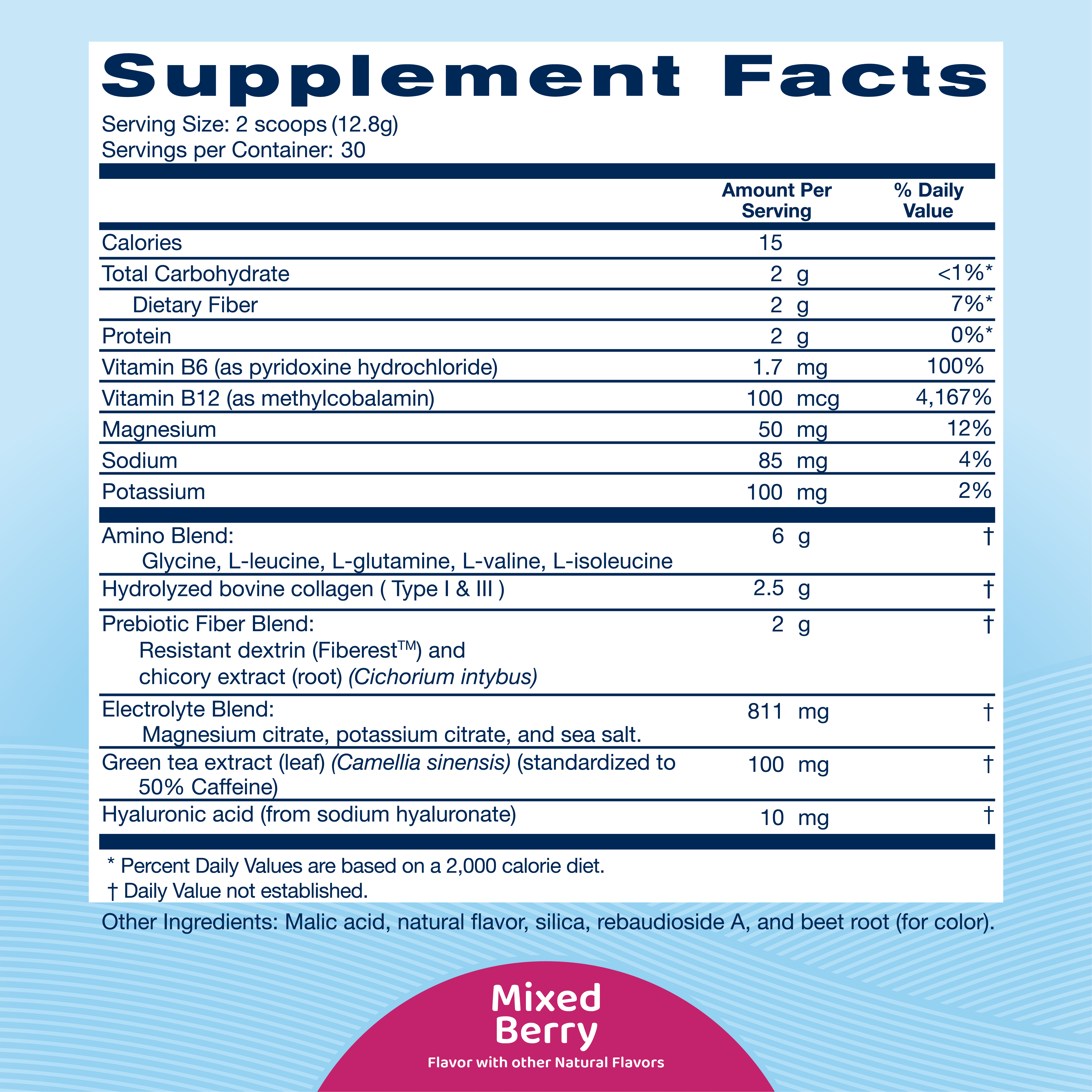
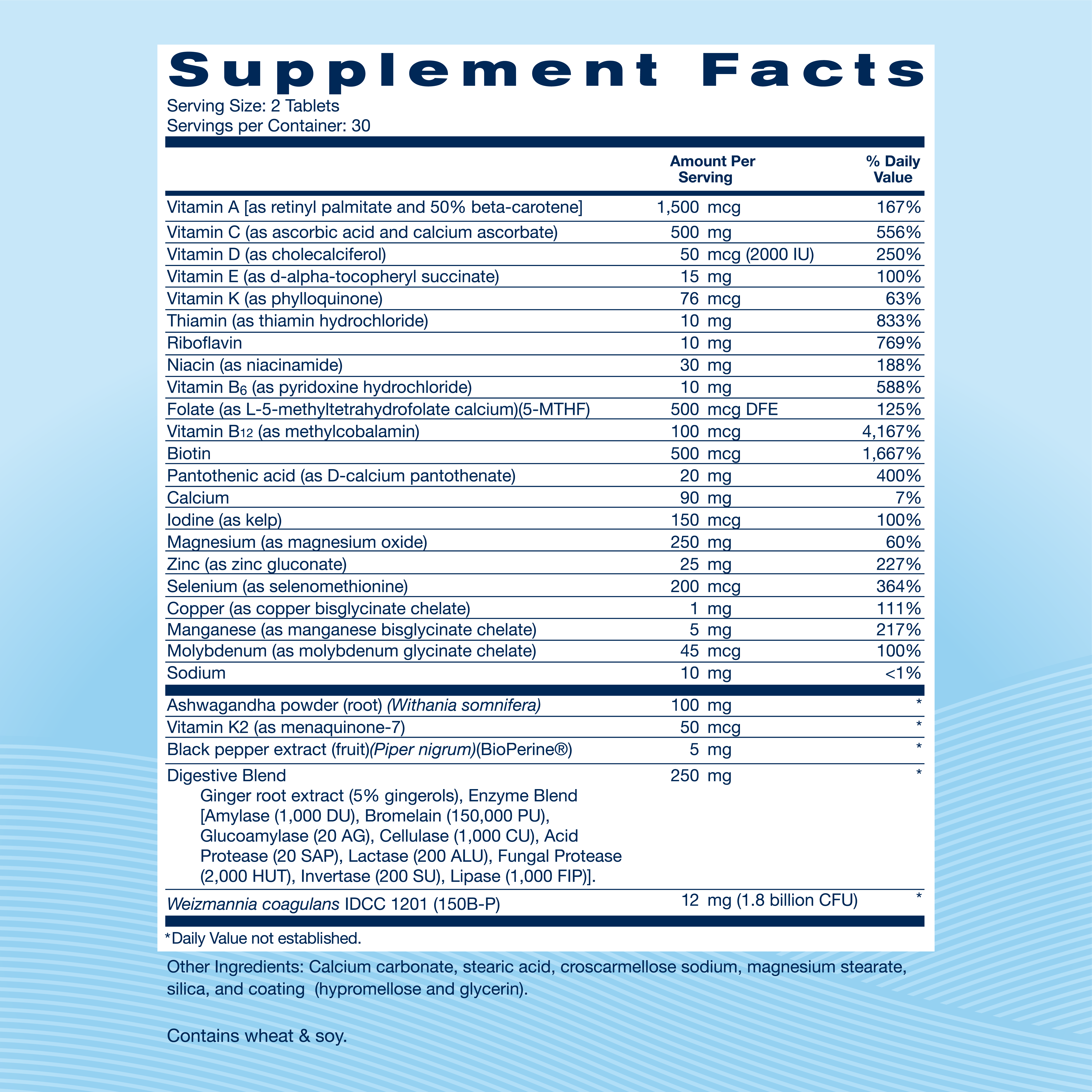
Working with a healthcare provider helps smooth the transition, especially as appetite increases or food intake changes. Nutritional support matters here, too. Supplements like Replenza can help fill gaps during dietary shifts and support muscle, skin, and energy as your body recalibrates.
Managing GLP-1 Medication Timing and Side Effects
Side effects tend to cluster around timing changes, dose increases, or injection days. The most common GLP-1 side effects include nausea, vomiting, diarrhea, and fatigue, especially early on.
A few habits can make a real difference:
- Eat smaller meals more often instead of large portions.
- Stay hydrated throughout the day, especially around injection time.
- Time injections closer to sleep if early side effects disrupt your day.
GLP-1 side effects refer to the gastrointestinal and neurological symptoms that commonly arise during therapy and usually ease as your body adapts. If GI symptoms linger, it’s also important to monitor nutrient intake and mental health. Persistent discomfort can quietly affect both.
How To Handle Missed or Late GLP-1 Doses
Missed doses happen. What matters is how you respond.
If you realize you missed your weekly dose and it’s been fewer than five days, take it as soon as you remember. If more than five days have passed, skip that dose and return to your regular schedule the following week.
Never double up to “catch up.” That’s more likely to trigger side effects than help.
Simple reminders go a long way here. Calendar alerts, phone alarms, or pairing your injection with a weekly habit can dramatically reduce missed doses and help you stay consistent long-term.
Long-Term Use and Maintenance of GLP-1 Medications
Many non-diabetic users expect to stay on GLP-1 therapy for about a year and a half, but real timelines vary. Cost, tolerability, side effects, and lifestyle all play a role.
Up to half of users discontinue within the first year, which is why support systems matter. People who stay on treatment longer tend to have regular provider check-ins, flexible routines, and strategies to manage side effects.
Maintenance often involves finding the lowest effective dose that continues delivering benefits without creating unnecessary discomfort. That balance is personal and evolves over time.
Supporting Your Health While Using GLP-1s
GLP-1 medications can significantly reduce appetite, which is helpful for weight loss, but can also quietly reduce nutrient intake.
Nutritional supplementation means using vitamins, minerals, and other nutrients to compensate for dietary gaps caused by decreased appetite or digestive changes on GLP-1 medications. Long-term use has been associated with nutrient deficiencies due to both reduced intake and possible malabsorption.
A few priorities help protect long-term health:
- Focus on nutrient-dense, protein-rich foods whenever you do eat.
- Support muscle, skin, and digestion proactively instead of reacting later.
- Use supplements like Replenza that are designed specifically for GLP-1 users and avoid unnecessary additives.
Strong nutritional support doesn’t just help you feel better day to day. It helps you stay on treatment longer, manage side effects more easily, and protect the results you’re working for.
FAQs
Can I take my GLP-1 injection with or without food?
Yes. GLP-1 injections like Ozempic can be taken with or without food, so you don’t need to plan meals around your injection time. Choose whatever feels easiest on your stomach.
How long do GLP-1 side effects usually last after an injection?
Most side effects, like nausea, fatigue, or mild stomach discomfort, fade within a few days to a couple of weeks as your body adjusts. They’re most common early on or after a dose increase.
How strictly must I stick to the weekly dosing schedule?
Aim for the same day each week, but you don’t have to hit the exact same hour every time. A few hours of flexibility is usually fine and won’t affect how the medication works.
Will my weight return quickly if I stop GLP-1 medication?
Weight can return after stopping, especially if eating patterns and nutrition aren’t supported. This is why building sustainable habits and ongoing nutritional support matters during and after treatment.
Is it safe to adjust the timing of my GLP-1 doses to reduce side effects?
Sometimes, yes. Shifting injections to a different time of day can help with side effects for some people, but always talk with your healthcare provider before making changes.
Sources:
When is the best time of day to take Ozempic? | Drugs.com
GLP-1 Agonists | Cleveland Clinic
GLP-1 diabetes and weight-loss drug side effects: "Ozempic face" and more | Harvard Health