GLP-1 Fatigue: Why You Are Tired
Share
Key Takeaways:
- GLP-1 fatigue is common during the early phases of treatment and often comes from overlapping factors like reduced calories and shifting hormones.
- This fatigue can affect focus, motivation, daily energy, and activity levels, but often improves as your body adjusts.
- Nutrition, hydration, paced activity, and proper supplementation give your body the support it needs to manage and reduce GLP-1-related tiredness.
There are biological reasons behind the low-energy slump that can come with GLP-1 medications. Once you understand why this fatigue shows up, you can usually manage it, minimize it, or prevent it altogether.
Let’s talk about why GLP-1s may cause fatigue, and what you can do about it.
What Is GLP-1 Fatigue?
Before you can figure out why you’re tired, it helps to understand what GLP-1 fatigue actually is. Fatigue is a feeling of exhaustion that doesn’t match your activity level or how much you slept, often tied to low-calorie intake and vitamin deficiencies.
This experience is most commonly reported by people using GLP-1 receptor agonists like semaglutide and tirzepatide, medications originally developed for type 2 diabetes and now widely used for medical weight management.
These drugs mimic the gut hormone GLP-1, helping to boost insulin, slow stomach emptying, reduce appetite, and regulate blood sugar levels. That combination is incredibly effective for metabolic health, but it also alters how your body processes food, energy, and nutrients.
Not everyone will deal with GLP-1 tiredness or Ozempic fatigue, but a noticeable subset of users report it, especially during the first few weeks as the body adjusts to smaller meals, slower digestion, and new hormonal signals. For some, it’s a brief transition. For others, it lingers until they address the underlying factors.
What Causes Fatigue from GLP-1 Medications?
GLP-1 fatigue usually doesn’t stem from just one thing. It’s more like a stack of small stressors on your system all adding up. Here’s what to know.
Appetite Suppression and Reduced Calorie Intake
One of the main reasons GLP-1 tiredness shows up is simply that you’re not eating as much. GLP-1 medications are designed to blunt appetite, so many users naturally take in fewer calories and, in turn, have less fuel to work with day to day.
That can be helpful for weight loss, but it also affects the amount of energy your body has available for basic tasks, workouts, and mental acuity. The adjustment period is when fatigue tends to hit the hardest.
Caloric deficit is the term for this mismatch. A caloric deficit happens when you consistently eat fewer calories than your body needs, and one of the most common side effects is low energy and tiredness. When energy levels dip, it doesn’t always mean something is “wrong” with the medication, it just might mean your body is asking for more balanced fuel.
Gastrointestinal Side Effects and Nutrient Absorption
The classic GLP-1 side effects like nausea, early fullness, reflux, vomiting, diarrhea don’t just feel annoying; they directly affect how well you hydrate and absorb nutrients. Studies show that 20-40% of users experience some level of nausea or other GI symptoms, especially in the first weeks of treatment.
GLP-1 drugs slow gastric emptying, which means food and nutrients move through your stomach more slowly. That can leave you feeling extra full after small portions and oddly drained between meals, because nutrients are arriving in your system at a different pace than you’re used to.
Additionally, vomiting or diarrhea can quickly lead to GLP-1 dehydration, characterized by decreased fluid levels, reduced electrolyte balance, and increased fatigue. When your hydration and nutrient absorption are both slightly off, your whole system feels it.
Hormonal and Metabolic Changes
GLP-1 medications also tweak the hormones that influence energy. These drugs shift insulin and glucagon levels and interact with other appetite-regulating hormones, which can temporarily disrupt your usual energy balance.
Metabolic adaptation is your body’s way of adjusting to rapid weight loss by lowering how many calories it burns and dialing down overall energy output. As your weight changes, your system may “downshift” for a while, which can show up as slower mornings, less motivation, or feeling wiped after normal activities.
Because GLP-1s also affect brain pathways involved in mood and reward, some users notice changes in motivation or mental energy as their dose changes. It’s not always dramatic, but even subtle shifts can feel like fatigue.
Nutrient Deficiencies Linked to Fatigue
When your appetite goes down, and GI symptoms are in the mix, it becomes much easier to fall short on key vitamins and minerals.
Over time, that can turn mild GLP-1 tiredness into something that feels constant. Reduced food intake and gastrointestinal side effects can contribute to deficiencies in essential nutrients like iron and vitamin B12, which are crucial for red blood cell production and oxygen transport.
Poor dietary quality during GLP-1 treatment may make fatigue worse simply because your body’s nutritional needs aren’t being met. That’s where GLP-1 vitamin deficiency and iron B12 fatigue come into play.
Signs that a deficiency might be part of the picture include:
- Persistent weakness that doesn’t match your activity
- Pale or sallow skin
- Shortness of breath with light exertion
- Brain fog or trouble concentrating
- Headaches or feeling lightheaded
Most people don’t have every cause on this list, but even two or three overlapping can be enough to make you feel like your energy has dipped. Understanding which pieces apply to you is the first step in fixing them.
How Can GLP-1 Fatigue Affect Your Daily Energy?
GLP-1 fatigue tends to sneak in. Even though it’s often temporary, it can shift how you function day to day, especially during rapid weight loss or dose changes.
For some, the pattern is predictable: a wave of tiredness the day after an injection, mornings that feel slower than usual, or an afternoon dip that hits harder than expected. Others report brain fog, difficulty concentrating, or feeling mentally “flat,” even if they slept well the night before.
The ripple effects can reach further than you’d think. When fatigue lingers, people naturally move less. Reduced physical activity can contribute to muscle loss over time, which in turn can further dip energy levels — a secondary consequence that’s becoming increasingly recognized with GLP-1 medications.
How To Manage and Prevent GLP-1 Fatigue
Most GLP-1 fatigue can be managed or minimized with nutrition, hydration, activity pacing, and medical monitoring.
Here’s a quick look at some main tips for managing GLP-1 fatigue:
- Eat balanced, nutrient-rich meals
- Prioritize protein and essential vitamins
- Stay hydrated and support electrolytes
- Pace activity and protect sleep
- Adjust doses slowly with your provider
- Track symptoms and energy patterns
- Get labs if fatigue persists
If your tiredness feels extreme or long-lasting, loop in your healthcare team before making big changes.
Optimizing Nutrition and Supplementation
A lot of GLP-1 fatigue comes back to one simple truth — your body is running on less fuel. Smaller meals plus rapid changes in appetite can make it easy to fall short on the nutrients that keep your energy stable. That’s why nutrition is the first line of defense for GLP-1 tiredness.
Aim for balanced meals that include protein, colorful produce, and foods rich in vitamins and minerals. Even if your appetite is low, small, nutrient-dense portions go a long way. This is also where supplementation becomes a proactive support strategy, especially for users dealing with low intake or early GI side effects.
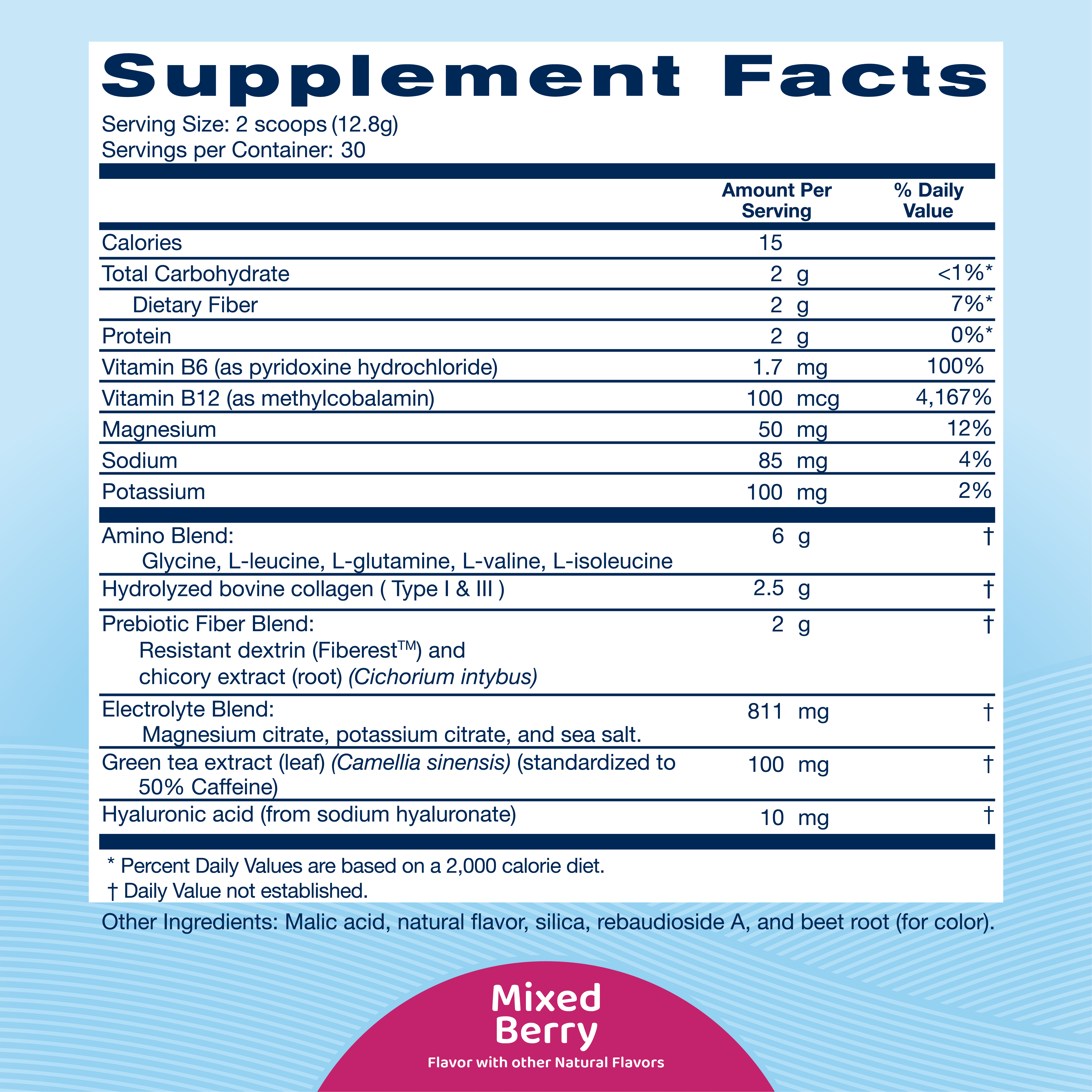
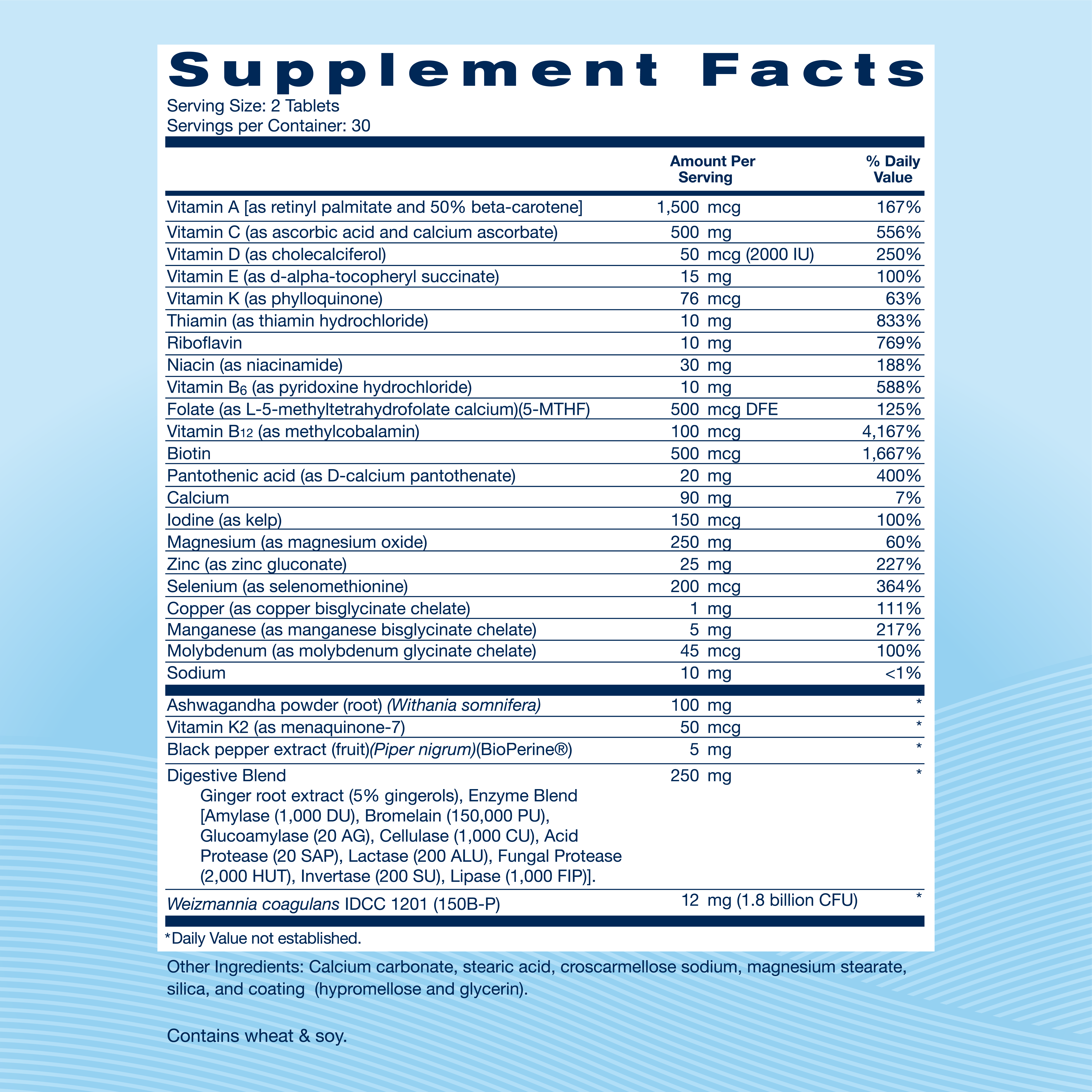
Replenza was formulated with this exact gap in mind. Our Daily Replenisher and Daily Nutritional Supplement were designed for GLP-1 users, helping cover the nutrients most likely to dip and supporting sustained energy, muscle recovery, and overall metabolic health. If eating enough feels inconsistent, supplementation can help fill the gaps you can’t always hit through food alone.
Staying Hydrated and Maintaining Electrolyte Balance
Hydration plays a significant yet often overlooked role in how energized you feel, especially if nausea, vomiting, or diarrhea are part of your GLP-1 journey. Even mild dehydration can intensify fatigue, slow digestion, and make your day feel heavier than it should.
Sip water consistently rather than chugging it all at once. If you’re dealing with GI symptoms, pair water with electrolytes to help your body bounce back. Electrolyte balance simply means keeping the right levels of minerals like sodium and potassium in your blood. Our Daily Replenisher features electrolytes to help you maintain a healthy balance.
Watch for signs of dehydration: dry mouth, dark urine, dizziness, headaches, or feeling “draggy” for no obvious reason. Supporting hydration is one of the easiest wins when you’re dealing with GLP-1 tiredness.
Gradual Medication Dose Adjustments
One of the most overlooked ways to reduce GLP-1 fatigue is simply adjusting how quickly you increase your dose. Most treatment plans start low and rise slowly for a reason: your body needs time to stabilize while appetite, digestion, and hormones shift.
If fatigue feels intense, check in with your provider. They can help you adjust the pace of dose escalation or temporarily pause increases so your energy can catch up.
Another helpful tip: timing matters. Some people find they feel more tired at certain points after their injection. Planning doses around lighter days or recovery windows can smooth things out.
Monitoring Physical Activity and Rest
Movement is important during GLP-1 treatment, but pushing too hard when your energy is low can make fatigue worse. Light, consistent activity helps keep your muscles active without overwhelming your system.
Sleep is equally crucial. Set a regular routine, avoid late caffeine, and limit screens before bed to help your body actually restore overnight.
Daily energy-support habits can include:
- Gentle morning movement
- Balanced meals at predictable times
- Hydration check-ins
- A consistent bedtime
- Afternoon caffeine cutoff
Small habits add up, especially when your body is adjusting to a new metabolic rhythm.
When To Consult Your Healthcare Provider
Most fatigue resolves with time, but certain symptoms are worth a check-in. If your tiredness feels severe, suddenly worsens, or comes with other concerning symptoms like persistent nausea, headaches, confusion, or rapid weight loss, reach out to your provider. Sometimes the cause is simple and can be corrected with labs and targeted support.
Red flags to watch for include:
- Severe abdominal pain
- Ongoing vomiting or diarrhea
- Palpitations
- Unexplained weight loss
- Confusion or dizziness
- Fatigue that lasts beyond the adjustment phase
Your provider may run labs for iron, B12, thyroid function, or glucose to pinpoint what’s driving your symptoms and help personalize your plan.
The Bottom Line
Fatigue can be a discouraging side effect of GLP-1 medications, but with a few tips, you can manage it in your day to day routines.
When you’re on a GLP-1, Replenza has your back with nutritional support made specifically with GLP-1 users in mind. Shop now.
FAQs
Does GLP-1 medication make everyone tired?
Not everyone experiences fatigue on GLP-1 medications, but a minority of users do report tiredness, especially in the first few weeks or after increasing the dose. Your body is adjusting to a new appetite and metabolic rhythm, so some temporary sluggishness is normal.
How long does GLP-1 fatigue typically last?
For most people, GLP-1 fatigue is short-lived. It usually improves within a few weeks as your body adapts to lower intake, steadier blood sugar, and changes in digestion. If it lingers, that’s a good cue to check in with your provider.
What are the best ways to combat GLP-1 fatigue?
Balanced meals, steady hydration, slow dose increases, and paying attention to your overall health can make a big difference. Many users feel better once they intentionally add protein, electrolytes, and nutrient-dense foods back into their routine.
When should fatigue be a concern and require medical attention?
Reach out to your healthcare provider if fatigue feels severe, keeps getting worse, or sticks around after the initial adjustment period. It’s especially important to call if tiredness comes with persistent nausea, ongoing GI symptoms, headaches, or rapid weight loss.
Can nutrition and supplements help reduce fatigue on GLP-1 therapy?
Yes. Proper nutrition and targeted supplementation can address the vitamin and mineral gaps that often happen when your appetite drops. Products designed for GLP-1 users, like Replenza, help support energy, muscle health, and recovery so fatigue doesn’t take over your progress.
Sources:
Do GLP-1 Drugs Make You Tired? What To Know | My Obesity Team
Addressing Fatigue and Low Energy Levels on GLP-1 Treatment | Get Heally
Understanding The Potential Side Effects of GLP-1 for Weight Loss | West Lake Dermatology
A new era of weight loss: Mental health effects of GLP-1 drugs | APA