Foods and Supplements That Increase GLP-1s Naturally
Share
Key Takeaways:
- GLP-1 levels respond best to consistent meals that combine protein, fiber, and healthy fats.
- Gut health and nutrient adequacy play a major role in natural GLP-1 signaling.
- Natural GLP-1 support works best alongside intentional nutritional replenishment, not instead of it.
GLP-1 isn’t just something you “take.” It’s something your body already makes.
Certain foods, nutrients, and eating patterns can naturally encourage GLP-1 release, supporting appetite control, steadier energy, and better blood sugar regulation over time. For people on GLP-1 medications, these strategies can also work alongside treatment to support digestion, muscle health, and overall nourishment when appetite is lower.
In this guide, we’ll break down the foods and supplements that help increase GLP-1 naturally, and how Replenza can support your GLP-1 journey.
Fatty Fish and Omega-3 Sources
One of the most well-supported dietary ways to increase GLP-1 naturally starts with omega-3 fatty acids. Fatty fish such as salmon, mackerel, and sardines provide omega-3s that can increase GLP-1 and lower blood sugar.
Omega-3s are essential fats found in fish and seeds that support heart and metabolic health. Unlike saturated fats, omega-3s actively support hormone signaling related to appetite and insulin sensitivity. Research shows that omega-6 fatty acids and saturated fats do not increase GLP-1 levels as effectively as monounsaturated and omega-3 fats.
Here are some easy ways to add omega-3s:
- Salmon or sardines a few times per week
- Canned mackerel for quick meals
- Flaxseed or flaxseed oil added to smoothies or yogurt
These fats support GLP-1 while also helping you feel satisfied longer after meals.
Healthy Fats
Not all fats affect GLP-1 equally. Monounsaturated fats like those in olive oil and avocado may increase GLP-1 levels and support insulin sensitivity.
Monounsaturated fats are heart-healthy oils found in plants, such as olives and avocados, known for their metabolic benefits. Studies show that unsaturated long-chain fatty acids in olive oil lead to higher blood GLP-1 levels than saturated fats like butter.
Practical swaps that make a difference include:
- Olive oil instead of butter or margarine
- Avocado added to salads, bowls, or toast
- Olive oil–based dressings instead of creamy sauces
These fats work quietly but powerfully, supporting both hormone signaling and blood sugar balance.
Nuts
Nuts pull triple duty for GLP-1 support. Nuts such as almonds, pistachios, and peanuts combine protein, fiber, and healthy fats to boost GLP-1 naturally.
Nuts are the seeds or fruits of certain plants, rich in proteins, essential fats, vitamins, and minerals. This combination helps slow digestion, increase satiety, and encourage the release of GLP-1 without spiking blood sugar levels.
Because nuts are calorie-dense, portions matter. A small handful, either as a snack or added to meals, is enough to support satiety and metabolic signaling without overdoing it. As healthy snacks, they’re especially helpful for GLP-1 users who struggle to eat full meals.
Fiber-Rich Foods
Fiber sits at the center of natural GLP-1 production. Fiber-rich vegetables help stimulate GLP-1 release by slowing digestion.
Fiber is a type of carbohydrate that the body cannot digest, which helps regulate digestion, blood sugar, and fullness. When fiber moves through the gut, it triggers hormonal responses tied directly to appetite regulation.
Fermentable fibers in oats, legumes, and green bananas feed gut bacteria that produce short-chain fatty acids, which stimulate GLP-1 release. This gut-hormone connection is one of the strongest natural drivers of GLP-1 activity.
Fermented Dairy and Probiotic-Rich Foods
Gut health plays a major role in how effectively GLP-1 signals work. Yogurt, kefir, and low-fat cheese provide digestive benefits that can support GLP-1 activity and satiety.
Probiotics are live microorganisms in foods or supplements that support gut health and immunity. When your gut bacteria are well-supported, GLP-1 signaling tends to be more consistent.
Low-fat and fermented dairy, like yogurt and kefir, support GLP-1 activity and digestive health. For non-dairy options, fermented foods like kimchi, sauerkraut, and miso can offer similar benefits.
Fruits
Fruit can support GLP-1 when chosen strategically. Eating fiber, lean protein, healthy fats, and water-rich fruits and vegetables can naturally raise GLP-1 to support weight loss.
Water-rich fruits are fruits with high water and fiber content that promote fullness without excessive calories. Apples, citrus, and berries stand out here. They slow digestion, support hydration, and pair well with protein or fat for better blood sugar control.
Instead of eating fruit alone, combining it with yogurt, nuts, or seeds helps extend satiety and stabilize energy.
Psyllium and Soluble Fiber Supplements
When fiber intake falls short through food alone, supplements can help. Psyllium, a soluble fiber supplement, may support GLP-1 response and improve blood sugar and insulin sensitivity.
Psyllium is a plant-based soluble fiber supplement that aids digestion, lowers cholesterol, and supports blood sugar control. It works by forming a gel in the gut, slowing digestion and enhancing hormonal signals tied to fullness.
Food-based fiber should come first, but supplemental fiber can be useful for GLP-1 users dealing with low appetite, constipation, or inconsistent intake.
Plant-Based Supplements
Some plant compounds show early promise for GLP-1 support. Supplements like berberine, curcumin, and ginseng show early potential to boost GLP-1 but lack extensive human research.
Curcumin may boost GLP-1 but should be paired with black pepper for effective absorption. Berberine supplementation can lead to about 4 pounds of weight loss on average, which is meaningful but still far less than GLP-1 medications.
These supplements may offer support, but they work best as complements to diet and lifestyle, not replacements.
Adaptogens and Botanicals
Adaptogens add another layer of potential support. Adaptogens are natural substances thought to help the body resist stress and support regulatory processes, including metabolism.
Ginseng may boost GLP-1 but can interfere with blood pressure medications, so medical guidance is essential before use. Wild bitter gourd extract improved health markers and increased GLP-1 levels in a study involving people with metabolic syndrome.
These botanicals are best reserved for individuals working closely with healthcare providers who can evaluate interactions and individual risk.
Replenza Supplement for Supporting GLP-1 Therapy
GLP-1 therapies are incredibly effective for appetite control and blood sugar regulation, but that appetite suppression can reduce overall food intake. Less food often means fewer nutrients unless you’re being very intentional.
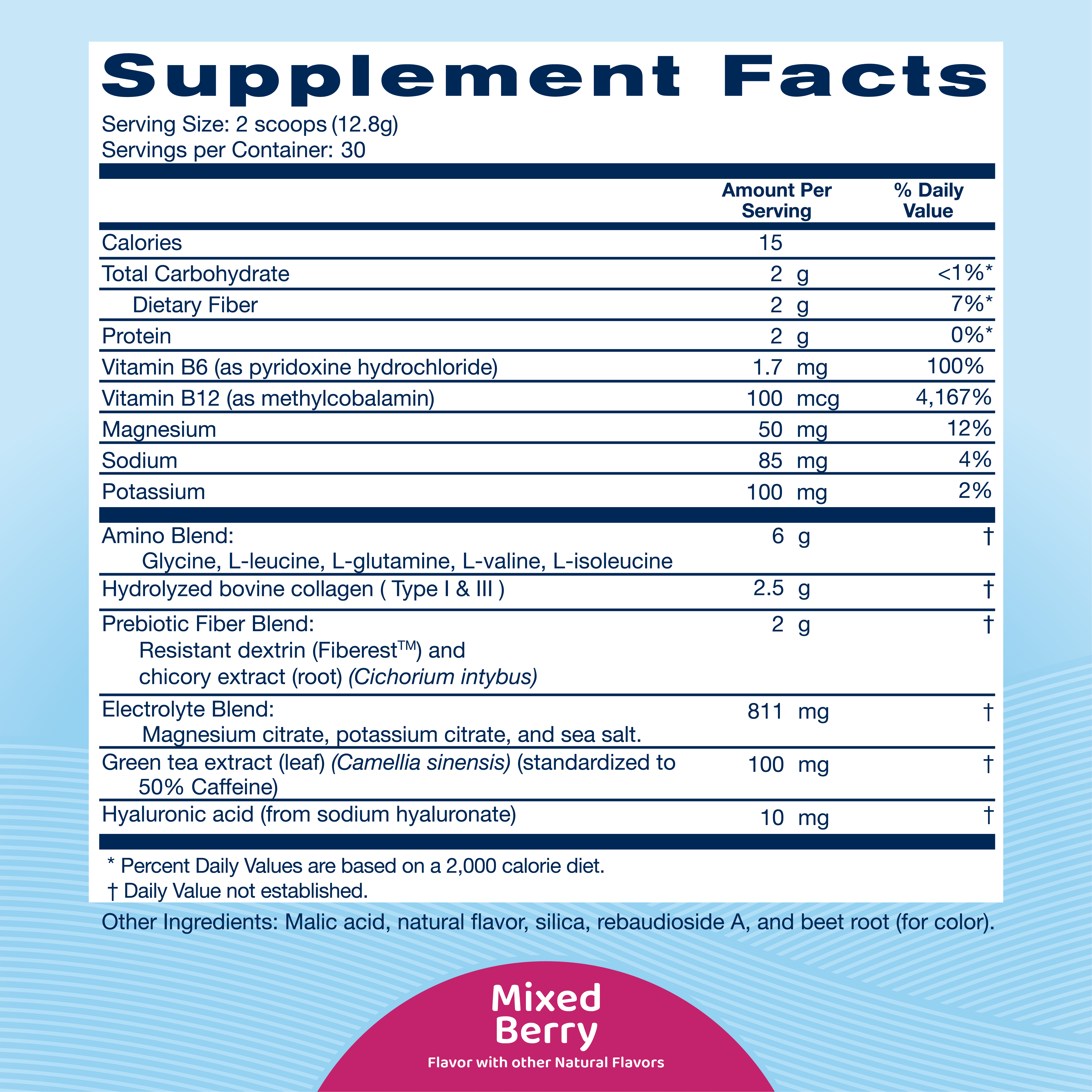
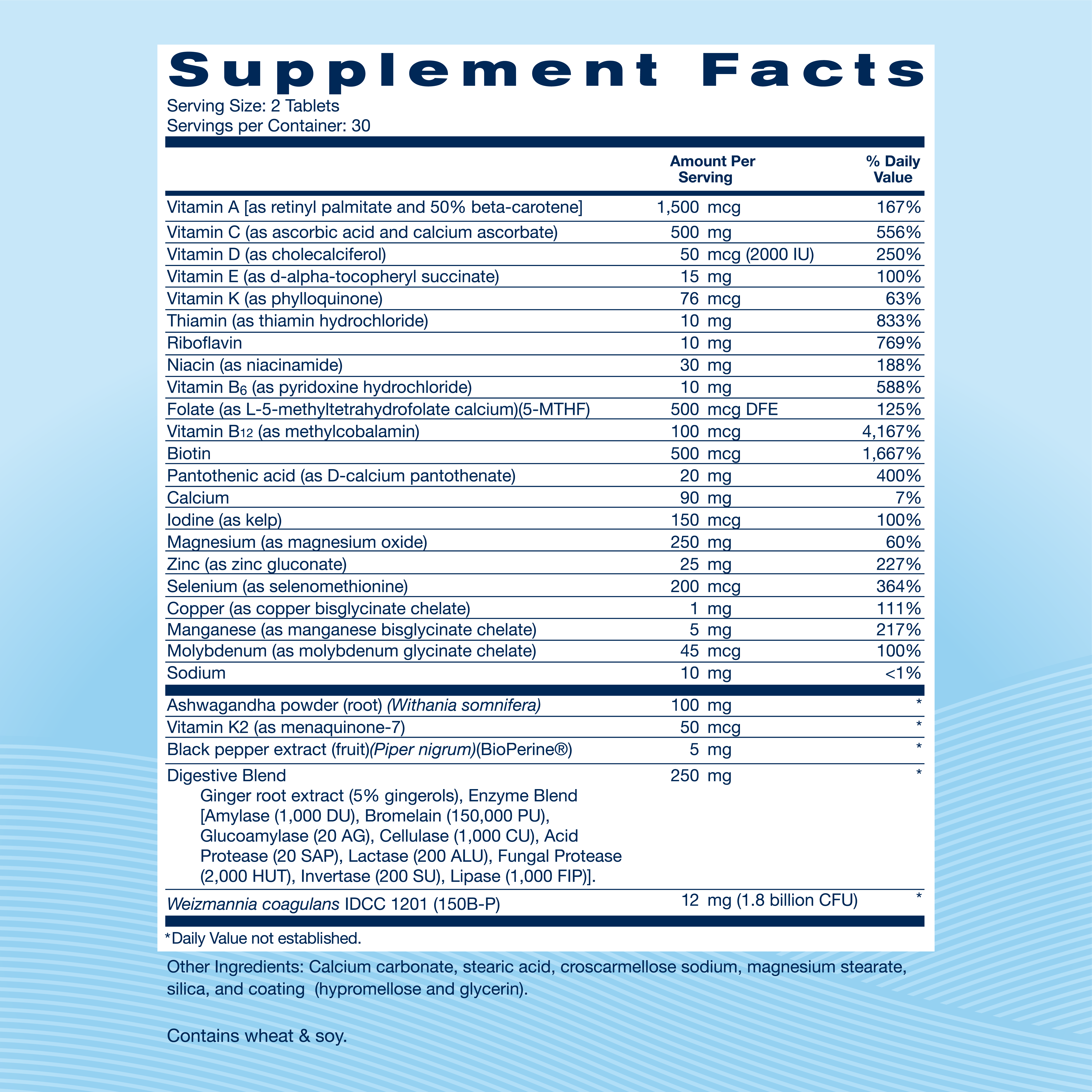
That’s where comprehensive nutritional support comes in. Replenza was purpose-built for GLP-1 users to help prevent nutrient deficiencies with GLP-1 therapy by replenishing vitamins, minerals, amino acids, electrolytes, and digestive-supporting compounds that can dip when calories drop.
Our NSF-certified Daily Replenisher and Daily Nutritional Supplement help support muscle recovery, digestive health, and skin elasticity — areas that often feel the impact first during weight loss or prolonged calorie restriction.
Think of Replenza as a foundation. Foods and supplements can naturally encourage GLP-1, but consistent nutrient replenishment helps your body actually feel good while doing so.
FAQs
What foods naturally boost GLP-1 levels?
Foods high in protein, unsaturated fats, and fiber, such as lean meats, nuts, olive oil, oats, legumes, and vegetables, help naturally enhance GLP-1 secretion and support steadier blood sugar control.
How much protein supports optimal GLP-1 secretion daily?
Most people benefit from about 80–120 grams of protein per day, spread evenly across meals, to support consistent GLP-1 signaling and appetite control.
Can combining protein and calcium increase GLP-1 release?
Yes. Pairing protein with calcium-rich foods like Greek yogurt or low-fat dairy can create a synergistic effect that increases GLP-1 secretion and satiety.
Which supplements are effective for enhancing GLP-1 naturally?
Supplements such as psyllium, whey or plant-based protein powders, probiotics, berberine, and curcumin may support GLP-1 function, but quality matters and medical guidance is recommended before adding them.
What is the best dietary approach to maximize GLP-1 production?
Eating balanced meals that consistently include fiber, protein, and healthy fats throughout the day is the most effective way to naturally boost GLP-1 activity and manage appetite.
Sources:
9 Foods and Supplements That Increase GLP-1 Naturally | Homedica
How to Boost GLP-1 Naturally Through Diet and Supplements | 24hrdoc
Foods That Can Increase GLP-1 Hormone | Healthy for Life Meals
GLP-1 Foods | The Clinical Evidence Advisory Panel
In the gray world of GLP-1 supplements online, health experts urge caution | PBS News