Fiber, Hydration, and Protein: The Wellness Trio
Share
GLP-1 medications have helped millions of people lose weight and improve their overall health. Hand in hand with feeling your best by taking medication is giving your body the key nutrients and hydration it needs to thrive. Three key components work together to support your success: staying well hydrated, eating enough fiber to support healthy digestion, and prioritizing protein to help preserve lean muscle. Focusing on this wellness trio will make all the difference in helping you maintain energy and minimize common side effects.
Step One: Fiber
Fiber is one of the most important nutrients to prioritize when taking a GLP-1 medication. Because these medications slow stomach emptying and reduce appetite, many people eat less. This can make it difficult to get ample amounts of fiber, which then increases the risk of not only stomach discomfort but also constipation.
GLP-1 medications work by mimicking the hormone that signals to your brain when you are full. The benefit of feeling full longer is, of course, lower food intake. In addition to supporting weight loss, these medications can also improve blood glucose control and lower blood pressure.
Since GLP-1 agonists (like Ozempic or Wegovy) slow down the digestive tract, adequate fiber and water intake help prevent or relieve constipation. The key is not to increase fiber too rapidly out of the gate when you start taking your GLP-1; that can lead to gas or bloating. A good rule of thumb is to increase your intake by about 5 grams per week until you reach your goal.
Wherever possible, include fiber-rich whole foods in your diet. They contain vital nutrients and antioxidants. Aim to include both kinds of fiber as well: Soluble fiber dissolves in water, forming a gel that supports healthy digestion and helps regulate blood sugar. Good sources include oats, beans, lentils, apples, berries, and chia seeds. Insoluble fiber adds bulk to stool and helps promote regular bowel movements. Whole grains, leafy greens, broccoli, carrots, nuts, and many vegetables are excellent sources.
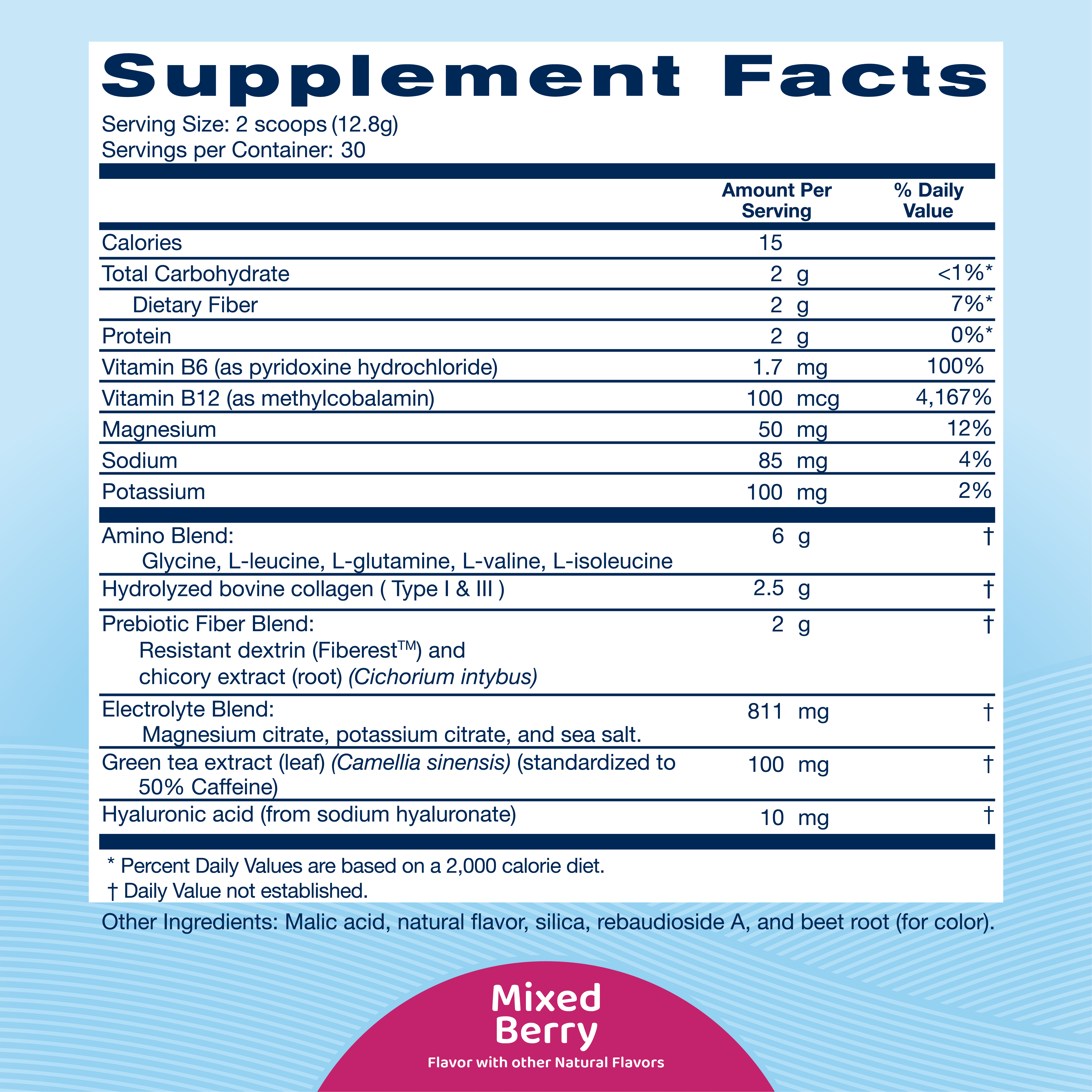
If you're struggling to meet your daily fiber goals, Replenza's Daily Replenisher was formulated specifically for people taking GLP-1 medications. In addition to fiber, it contains amino acids to support muscle recovery and ingredients that promote digestive health and skin elasticity.
Aim to hit the general guideline: for women, 21–25 grams of fiber per day, while men should shoot for 30–38 grams per day.
Step Two: Stay Hydrated
Staying hydrated is important to keep bodily functions moving efficiently - from brain function and energy levels to heart health and digestion. Being hydrated regulates your body temperature, flushes waste, lubricates joints, and delivers oxygen and nutrients to your cells.
It’s especially important to pay attention to water intake when taking a GLP-1. Drink plenty of water throughout the day to help fiber pass comfortably through your digestive system. Water is what allows soluble fiber to form a soft gel and insoluble fiber to bulk up, keeping your stool soft and easy to pass.
In addition, medications alter your natural thirst cues and slow digestion, making dehydration a major risk. Proper hydration can also help to prevent the unwanted side effects that can come with GLP-1 use, like severe constipation, nausea, and low energy, too.
Aim for at least 64 ounces (8 cups) of fluid each day, though many people - especially those who are active- may benefit from 80–100 ounces or more. By avoiding dehydrators like excessive alcohol or coffee, and incorporating hydrating foods like watermelon, cucumbers, celery, and tomatoes, you can stay on track.
Step Three: Prioritize Protein
Eating less while taking a GLP-1 often means that protein is one of the first nutrients to fall short. That's a problem because protein is essential for preserving lean muscle. Without enough protein, especially during rapid weight loss, your body may lose muscle along with fat.
The muscle you are working to preserve is not just about looking strong or toned, but maintaining muscle mass on a GLP-1 is critical because it preserves your resting metabolism, protects your joints, and ensures long-term weight management.
So what do you do? Aim for about 20-30 grams of protein per meal. This can be difficult when you don’t have a large appetite, so consume your protein first to ensure you get it in.
Focus on nutrient-dense options that provide plenty of protein in relatively small portions, like chicken breast or salmon (3 oz is about 20-25 g), and daily options like Greek yogurt and cottage cheese. Veggie options like beans or edamame are also protein-packed and easy to prepare. Still struggling or needing quick protein options on the go? Consider a whey or pea protein powder mixed with milk or water to get 25–40 grams quickly.
A successful GLP-1 journey is about more than losing weight. Prioritizing fiber, hydration, and protein can help support healthy digestion, preserve lean muscle, maintain your energy, and reduce common side effects. By making these three habits part of your daily routine, you'll set yourself up to feel your best—both during your weight loss journey and beyond.