Does Ozempic Cause Muscle Loss? How To Prevent It
Share
Key Takeaways:
- Ozempic works by reducing appetite, which can unintentionally lower protein and nutrient intake and increase the risk of muscle loss.
- A significant portion of weight lost on semaglutide can include lean muscle, making strength training and protein intake essential for long-term health.
- You can support your muscles with resistance training, protein, and supplements like Replenza.
Muscle loss is one of the biggest questions people bring to us when they start Ozempic.
Ozempic can be an incredible tool for blood sugar control and weight loss, but it also shifts how your body eats, digests, and uses nutrients. When food intake drops, muscle can take the hit unless you’re intentional about supporting it.
Below, we break down what Ozempic actually does inside your body, why muscle changes can happen, and what you can do to stay strong.
What To Know About Ozempic and Its Effects on the Body
Ozempic is everywhere in the wellness conversation right now, so let’s make sure we’re all on the same page about what it actually does in your body.
Ozempic (semaglutide) is a GLP-1 receptor agonist, which simply means it acts like the hormone GLP-1, a natural gut hormone that helps control blood sugar, slows digestion, and increases feelings of fullness. When you take it, your body gets the same signals you’d normally get after a meal, which leads to less hunger and steadier blood sugar.
That’s why GLP-1 drugs like Ozempic are prescribed for type 2 diabetes and medical weight loss. They help you feel satisfied with smaller portions, lower your appetite throughout the day, and prevent spikes and crashes after meals. It’s a tool that changes your relationship with hunger in a noticeable way.
The part that matters for muscle is what happens because your appetite drops. You naturally eat less food and digestion slows, which makes meals stay in your system longer. These changes make weight loss easier, but they also mean your protein, vitamins, and minerals can slip without you realizing it.
When intake goes down, your body has fewer raw materials to work with, and muscle maintenance becomes more challenging.
Ozempic helps your body lose weight through appetite suppression, not through changes in metabolism. Nutritional support becomes extra important as a result.
What the Research Says About Ozempic and Muscle Loss
As more people use Ozempic, researchers are paying closer attention to what kind of weight people are losing. A meaningful portion of the weight lost on semaglutide can come from muscle, especially when meals get smaller and protein intake drops.
Across clinical studies and real-world reports, muscle makes up roughly 30-50% of total weight lost for many Ozempic users. Some studies estimate that up to 40% of weight lost may come from lean tissue, not just fat. Lean body mass includes every part of your body that isn’t fat, and losing too much of it can affect your metabolism and your overall strength.
One of the more eye-opening findings comes from long-term trials showing that semaglutide users can lose over 10% of their muscle mass in about 68-72 weeks. That amount of muscle loss is similar to what the average person loses over two decades of normal aging. It’s a big shift in a short window, and it’s why people feel noticeably weaker if they’re not supporting their body during treatment.
It’s also important to know that muscle loss isn’t listed on the FDA label as an official side effect. In real-world practice, clinicians see it often enough that it’s become a major talking point, not because Ozempic directly harms muscle, but because appetite suppression means people simply aren’t eating enough to maintain it.
Why Does Muscle Preservation Matter During Weight Loss?
What you lose matters just as much as how much you lose. Muscle is your strength, your stability, your metabolism’s engine, and your long-term protection as you age.
Muscle tissue burns more calories at rest than fat, supports balance and mobility, and helps your body stay resilient. When you lose too much of it, your metabolism slows, everyday activities feel harder, and long-term weight maintenance becomes more challenging.
Research shows that rapid weight loss can lead to a 20% loss of muscle mass in a short period. That slows your resting metabolic rate and increases the chances of regaining weight later.
There’s also a bigger-picture concern called sarcopenia, which is the gradual loss of muscle mass and strength that happens with age. It raises the risk of falls, frailty, and long-term health issues. Without the right support, Ozempic can accelerate that process simply because you’re eating less and losing weight faster than your body is used to.
Preserving muscle isn’t about becoming a gym person or hitting some perfect protein target every day. It’s about making sure the weight you lose is the weight you want to lose. When your muscle stays steady, your metabolism stays active, your energy stays up, and your results are easier to maintain long-term.
How To Prevent Muscle Loss While Using Ozempic
Once you understand why muscle can slip on Ozempic, the next step is taking charge. You just need a few consistent habits that support your body while you’re eating less and losing weight at a faster rate.
Here are a few key tips to help prevent muscle loss:
- Lift or move against resistance regularly
- Eat protein at every meal
- Track your muscle-to-fat ratio, not just the scale
- Stay hydrated throughout the day
- Check in with your healthcare provider as you go
Incorporate Regular Resistance Training
Strength training is one of the most reliable ways to keep muscle on your frame while you're losing weight. It doesn't have to mean heavy lifting or long gym sessions, your body just needs regular work against resistance.
Simple, approachable options include:
- Bodyweight movements like squats, lunges, or push-ups
- Resistance bands (great for beginners and easy on joints)
- Light dumbbells or kettlebells
- Core exercises like planks or glute bridges
- Two to five minute power sessions you fit in whenever possible
Pairing strength training with some light cardio (walking, cycling, stair climbing) helps with overall balance, mobility, and recovery, so the routine feels less intimidating and more doable long-term.
Increase Dietary Protein Intake
Because Ozempic naturally shrinks your portions, your body needs protein to be intentional instead of accidental. Protein is what helps your muscles rebuild after daily movement, keeps cravings in check, and makes it easier to maintain your strength as the number on the scale drops.
A few simple guidelines that make a big difference:
- Include a protein source at every meal
- Avoid long stretches without eating, as skipping meals increases muscle loss risk
- Mix up your sources so it feels easy, not repetitive
Because appetite suppression can make even small meals feel “enough,” products like Replenza help fill in the micronutrient gaps.
Monitor Body Composition Regularly
The scale only tells you what you weigh, not what that weight is. Tracking body composition gives you a clearer picture of how much muscle versus fat you’re losing so you can adjust quickly instead of guessing.
You can monitor body composition with:
- Smart scales that estimate fat and muscle trends
- InBody or DEXA scans for more precise readings
- Measurement tracking (waist, hips, thighs) to spot changes in shape
- Check-ins with a trainer or healthcare provider
Seeing these trends helps you stay ahead of unwanted muscle loss and make small adjustments.
Stay Properly Hydrated
Hydration sounds simple, but it’s surprisingly powerful when you’re on a GLP-1. Muscles rely on fluid to contract, recover, and repair. Without enough water, workouts feel harder, digestion slows even more, and your energy dips.
Easy hydration habits that actually stick:
- Sip water throughout the day instead of chugging at once
- Pair snacks and meals with a glass of water
- Keep a bottle in sight
- Use urine color as a quick check (aim for pale yellow)
Good hydration also supports smoother digestion, better recovery from workouts, and more consistent energy.
Consult Your Healthcare Provider
Your body changes quickly on semaglutide, and staying in touch with your provider keeps you ahead of any issues. They can help you fine-tune your goals, spot early signs of muscle decline, and adjust your nutrition or movement plan as needed.
Bring up things like:
- Fatigue that feels out of proportion
- Weakness or heaviness in your muscles
- Rapid strength changes
- Trouble hitting reasonable protein targets
- Questions about supplements or added support
They may suggest simple labs, a body composition scan, or adjustments to your dose or nutrition plan.
Nutritional Supplements for Muscle Health
When you’re on Ozempic, your appetite naturally goes down, which is the whole point. However, that also means you may be eating too little protein, missing key vitamins, or falling short on minerals that help your muscles repair and stay strong. Supplements can help bridge those gaps so your body isn’t running on empty while you're losing weight.
Think of nutritional supplements as backup support for the nutrients you intend to get from food, but don’t always manage to hit. They’re just concentrated forms of things your body already uses every day (amino acids, vitamins, minerals) and they step in to keep your energy, strength, and recovery on track.
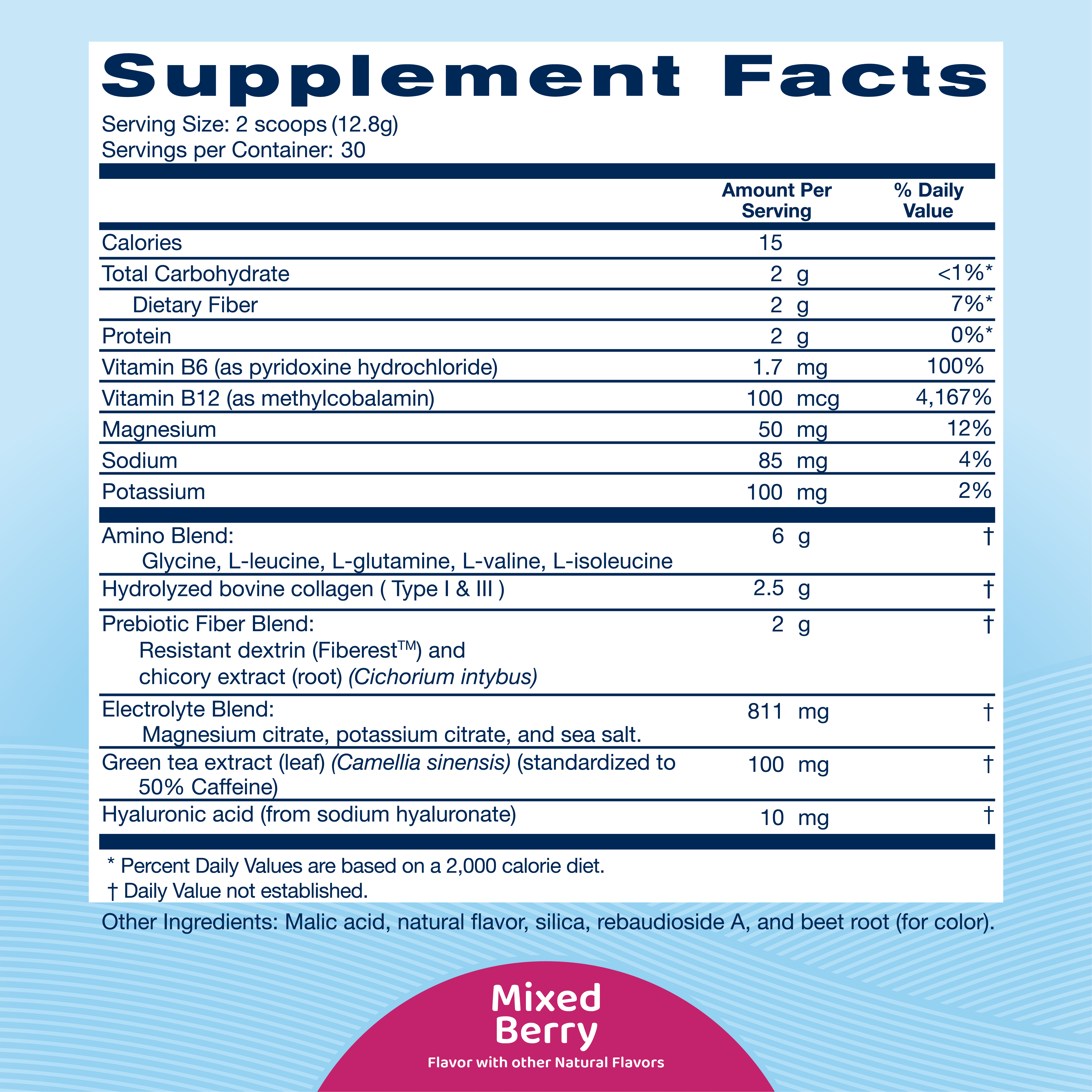
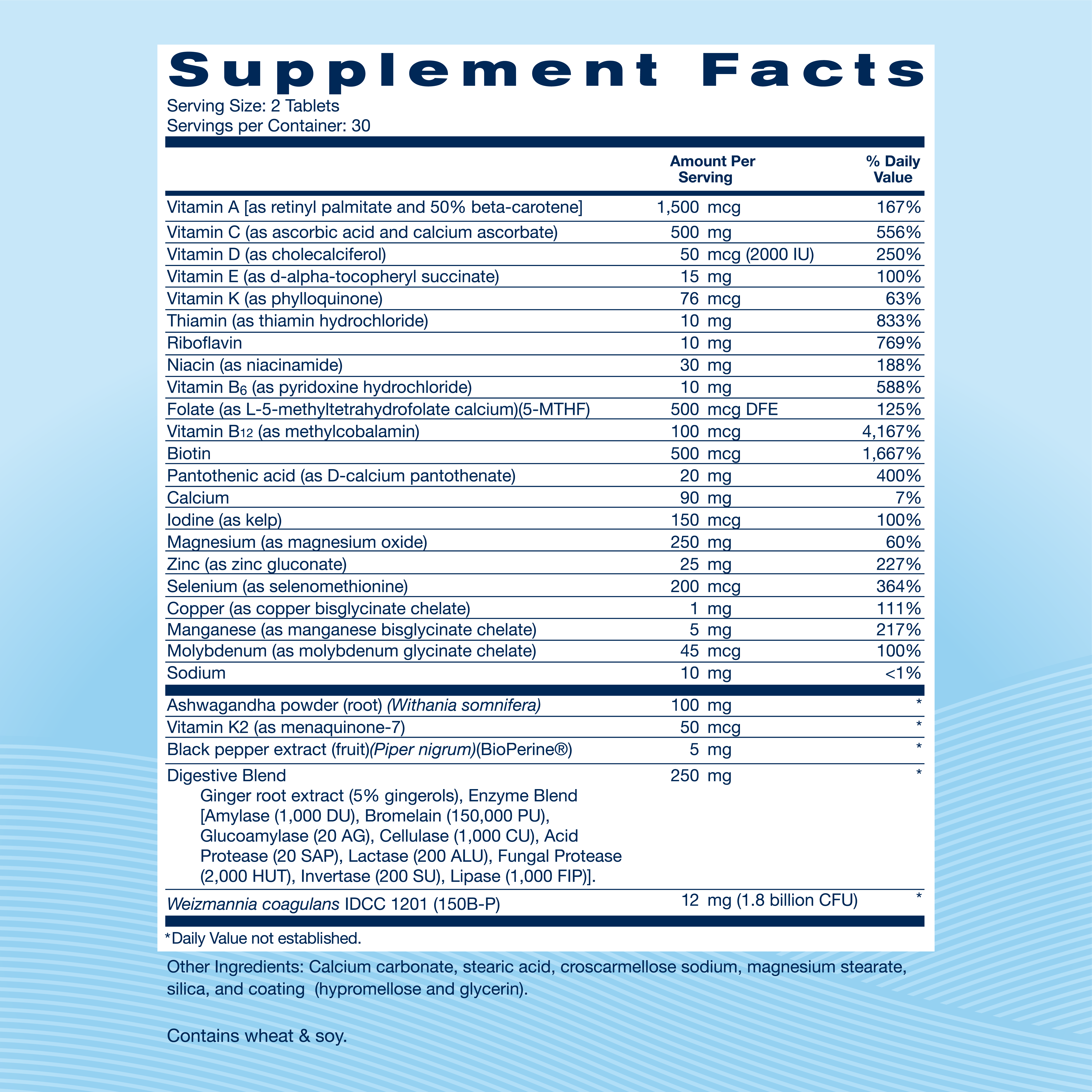
This is exactly where Replenza fits in. GLP-1 users often deal with lower overall intake, slower digestion, and fewer cravings, which means your body has fewer building blocks for muscle maintenance. Replenza was designed to fill common gaps during that process: protein-building amino acids, muscle-supporting minerals, energy-focused B vitamins, and skin-supportive nutrients that tend to dip when calories fall.
Different supplements target different parts of muscle health:
- Protein powders or collagen blends help support daily amino acid needs
- Vitamin D supports muscle strength, bone health, and overall mobility
- Magnesium plays a role in muscle contraction and recovery
- Electrolytes help with hydration and performance
- B vitamins help convert food into energy, especially during calorie deficits
Replenza pulls these essentials together in one place so you’re not piecing together five different products or guessing what you might be missing. Instead, you get a formula built specifically for people on GLP-1 drugs.
The Bottom Line
Because Ozempic suppresses your appetite and can cause rapid weight loss, it can also cause muscle loss. To combat this, it’s important to incorporate resistance training, sufficient protein intake, hydration, and supplements when necessary.
At Replenza, our supplements are built specifically to support GLP-1 users. Get started today and simplify your journey.
FAQs
Does Ozempic directly cause muscle loss?
Not directly. Ozempic doesn’t attack muscle, but the rapid weight loss and lower calorie intake it creates can lead to losing both fat and muscle if you’re not paying attention to protein and strength training.
How much protein should I consume to protect my muscles?
A simple target: aim for 20-30 grams of protein per meal, or roughly 0.8 to 1 gram per pound of body weight per day. These ranges help your body hold onto muscle even as your appetite shrinks.
What types of exercise are best for preserving muscle on Ozempic?
Resistance training is your best friend here. Weight lifting, resistance bands, Pilates-style strength work, and bodyweight moves (like squats, push-ups, or glute bridges) help maintain and build lean mass while you lose weight.
Can hydration affect muscle retention during weight loss?
Yes. Hydration plays a bigger role than most people realize. Staying properly hydrated helps your muscles contract, recover, and repair, which is key when your calorie intake is lower.
When should I speak with my doctor about muscle loss concerns?
Reach out to your doctor if you notice unusual weakness, fatigue, rapid drops in strength, or if the scale is dropping faster than expected. They can check your protein intake, review labs, or do body-composition testing to catch issues early.
Sources:
How to prevent muscle loss on Ozempic | Sword Health
Ozempic Can Cause Major Loss of Muscle Mass and Reduce Bone Density | Healthline
Does Ozempic cause muscle loss and how to prevent it? | Drugs
What Is Strength Training and Its Benefits? | Cleveland Clinic