Does Collagen Really Help You Lose Weight
Share
Key Takeaways:
- Collagen is a major structural protein in the body, and supplements may support muscle, joints, and digestion in ways that influence weight management.
- Research shows collagen can enhance strength and body composition when paired with exercise, but evidence for direct weight loss remains limited.
- Collagen can fit into a healthy routine, yet balanced nutrition, movement, and whole-food protein remain the most effective tools for sustainable weight support.
Collagen plays real roles in muscle, metabolism, and appetite.
Read on to learn what collagen is, how it connects to weight management, what the research really shows, and where it fits into a smart, sustainable plan.
What Is Collagen?
Collagen is the most abundant protein you make. Collagen makes up about 30% of your body’s total protein and is key for skin, muscles, bones, tendons, and ligaments. If your body were a building, collagen would be the scaffolding that keeps it all supported.
Your body naturally produces collagen on its own, which is called endogenous collagen. That’s the kind your cells build from amino acids, vitamin C, zinc, and other nutrients you get from food.
Then there’s the collagen you get from outside sources, like collagen supplements or collagen-rich foods, which people often use to support what their body already makes. Both forms matter, and together they help keep important tissues strong, flexible, and functioning well.
How Can Collagen Support Weight Loss Indirectly?
Collagen can aid with a steadier appetite, joint comfort, smooth digestion, and muscle support. When these areas feel stronger, it can become easier to stay consistent with the habits that actually move the needle on weight control. That’s why collagen peptides and protein supplementation for weight loss show up so often in wellness routines, even though collagen isn’t a quick-fix solution.
How Does Collagen Affect Muscle Mass and Metabolism?
Collagen plays a supportive role in muscle tissue, and muscle is one of the biggest drivers of metabolism. Some research shows that people who pair collagen peptides with resistance training see better strength and body-composition changes. One frequently cited study found that middle-aged men taking collagen peptides alongside resistance training gained more fat-free mass and lost more fat mass compared to the training-only group.
Since muscle burns more calories than fat at rest, even small improvements in lean mass can help your metabolism stay active during weight loss.
Collagen and Appetite Regulation
Collagen is still a protein, and protein is naturally more filling than carbs or fats. That means collagen might help you feel satisfied between meals, which can make sticking to a calorie-controlled routine a little easier. The research here is still developing, but collagen does seem to contribute to satiety.
It’s not the only protein that helps with appetite, but it can be another tool in the mix alongside whey, casein, soy, and pea protein. For people who prefer a lighter, easier-to-digest option, collagen can fit nicely into morning coffee, smoothies, or small meals without feeling heavy.
Support for Joint and Digestive Health
Staying active is a crucial part of any weight-management plan, and joint comfort plays a significant role in how easy it feels day to day. Collagen is closely linked to connective tissue, and collagen supplementation might improve joint comfort and support physical performance, which can indirectly support weight goals.
There’s also early research showing collagen’s potential influence on digestive comfort and the gut microbiome. When digestion feels smoother, it’s easier to stay consistent with healthy routines.
Here’s how these benefits connect back to weight management:
- More comfortable joints can make movement feel easier
- Better digestive comfort can help you manage meals and protein intake
- Improved overall mobility supports long-term weight routines
None of these effects directly cause weight loss, but they can make the process feel more manageable.
What Is the Scientific Evidence on Collagen and Weight Loss?
When you look at the actual research on collagen and weight loss, the picture is thoughtful but far from definitive. There are studies showing promising shifts in body composition, but these effects usually appear when collagen is paired with resistance training or a structured nutrition plan.
Key Research Findings and Clinical Trials
Some studies report that collagen supplementation is linked to improvements in fat mass, fat-free body weight, and select metabolic markers. These shifts tend to happen in combination with training programs, which makes it hard to credit collagen alone. Still, the trends are worth noting because they point toward collagen’s potential role in body-composition support.
Notable study outcomes include:
- Participants taking collagen peptides alongside resistance training gained more lean body mass than non-collagen groups
- Some trials found small decreases in fat mass in collagen groups
- A few studies observed modest improvements in metabolic risk factors like lipid profiles
- Studies using hydrolyzed collagen peptides showed better absorption and more consistent results
These findings are encouraging, but none demonstrate collagen as a stand-alone weight-loss tool. At best, it appears to enhance the results of habits that already work: eating enough protein, moving your body, and maintaining a balanced routine.
Limitations and Gaps in Current Studies
A lot of collagen research is small-scale, short-term, or carried out with limited control. Some studies are industry-funded, which isn’t inherently a problem, but it means results should be viewed through a careful lens. Most consumers also associate collagen with benefits in skin, hair, or orthopedic health rather than measurable changes in weight.
There are other limitations to keep in mind:
- Studies often include exercise regimens that influence results
- Placebo controls are inconsistent across trials
- Sample sizes are small, limiting generalizability
- Few studies isolate collagen as the only variable being tested
- Weight loss isn’t the primary endpoint in many trials
Because of these gaps, the scientific consensus is still forming. Researchers see potential, especially around body-composition changes and metabolic support, but there isn’t enough evidence to claim collagen directly drives weight loss. What we do know is that collagen can complement proven strategies, not replace them.
Future research with larger sample sizes and tighter controls will give us a clearer map of what collagen can genuinely deliver in the weight-management space.
Expert Perspectives on Collagen Supplementation for Weight Management
Most experts agree on one thing: collagen isn’t harmful for the average healthy adult, but it’s also not a guaranteed weight-loss tool. The benefits people hope for usually come from a mix of good nutrition, movement, sleep, and overall consistency, not collagen alone.
What experts emphasize most is the foundation. Your body builds collagen using amino acids from food, along with nutrients like vitamin C, vitamin D, and zinc. That means a balanced diet often accomplishes the same thing more cost-effectively than relying on supplements. Collagen can fit into a routine, but it’s only one piece of a much bigger picture.
What To Consider When Using Collagen With GLP-1 Medications
If you’re on a GLP-1 medication, your needs can look a little different. Since collagen is a source of amino acids, it can help fill small gaps on days when food volume feels low. It’s not a replacement for full proteins, but it can support your overall intake.
GLP-1 users also tend to be more cautious about ingredient quality, which is exactly where NSF-certified, physician-formulated products stand out. Clean sourcing, accurate dosing, and strong testing matter even more when your overall nutrient intake is lower.
If you’re adding any supplement on top of GLP-1 therapy, it’s always smart to keep your healthcare provider in the loop so everything works safely together.
How To Use Collagen Safely and Effectively for Weight Support
If you're thinking about trying collagen for general wellness or weight-support goals, a few simple guidelines help you get the most out of it.
Collagen works best when it supports a balanced diet rather than replaces whole foods. Start with a consistent dose, check how your body feels, and adjust from there.
Quality matters. Choose a reputable brand, keep an eye out for allergies or digestive changes, and make sure your protein intake from actual foods stays strong. Collagen comes in powder or pill form, but powders tend to be easier. They dissolve into coffee, smoothies, soups, or yogurt without changing the texture, which makes them an easy add-in on busy days.
Think of collagen as a helpful add-on rather than the star of your routine. When you keep your protein balanced and your meals steady, collagen simply supports what you’re already doing.
Whole Food Strategies To Naturally Support Collagen Production
Collagen supplements are one option, but your body is constantly making its own collagen behind the scenes, and whole foods play a huge role in that process. Amino acids are the building blocks, and nutrients like vitamin C, zinc, and copper help your body assemble and maintain collagen networks. That means your everyday meals have more influence than you might think.
Some foods that naturally support collagen production include citrus fruits, berries, leafy greens, eggs, lean meats, nuts, and seeds. These give your body the raw materials it needs, without relying solely on supplements.
Lifestyle habits matter just as much. Exercise, restorative sleep, and balanced nutrition have well-established benefits for skin, muscle, and overall health, with or without collagen in the mix.
The Bottom Line
If you enjoy using collagen, it can be a simple addition to your routine. However, whole foods and healthy habits carry the real weight. Let supplements support you, not replace the fundamentals.
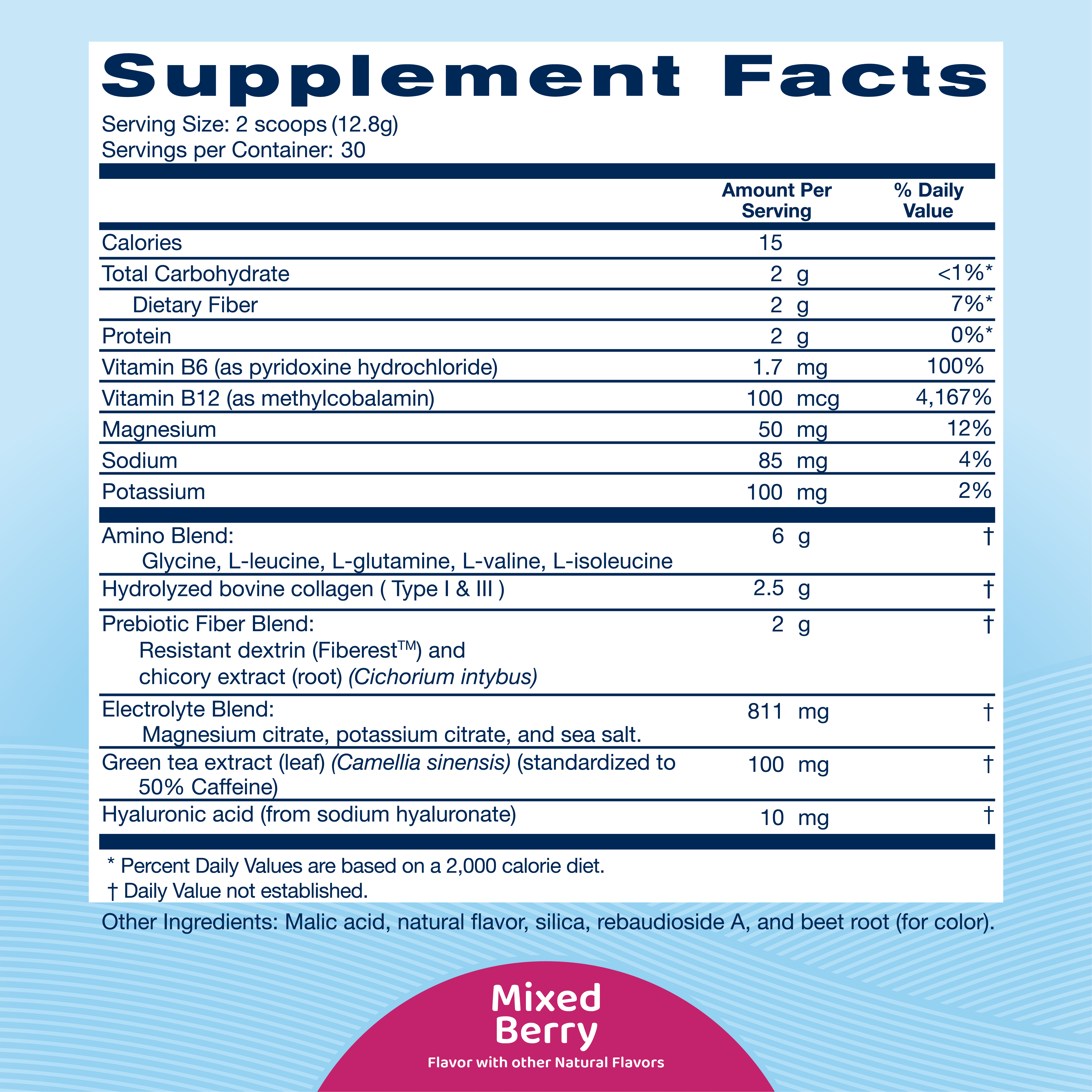
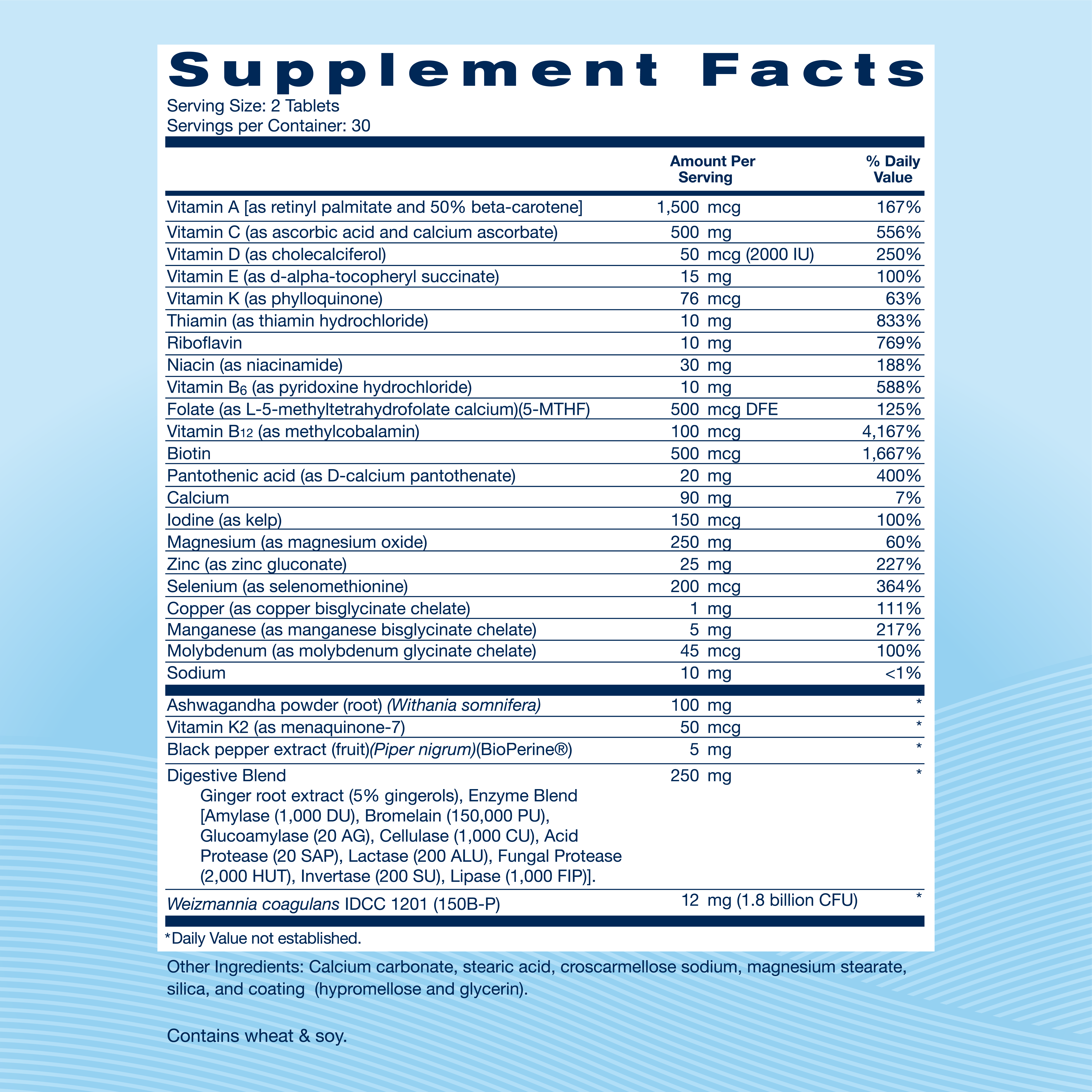
At Replenza, collagen finds its place in our Daily Replenisher supplement alongside amino acids, prebiotics, and electrolytes to help you continue feeling your best while on a GLP-1. Shop Replenza now for daily support where it matters most.
FAQs
Does collagen help with weight loss?
Collagen may support weight loss indirectly by helping maintain muscle mass and improving joint comfort, but current research doesn’t show collagen causing weight loss on its own.
How does collagen promote weight loss?
Collagen might play a small role by contributing to muscle support and metabolic health, especially when combined with strength training and a balanced diet. These benefits come from routine protein intake, not collagen alone.
What type of collagen is best for weight loss?
Hydrolyzed collagen peptides are the most common form used in studies because they absorb easily and mix well with drinks or meals, making them simple to add to a daily routine.
Can collagen alone cause weight loss?
Collagen by itself is unlikely to lead to weight loss. Sustainable results usually come from a mix of nutrition, activity, and consistent habits.
How much collagen should I take for weight loss?
Most research suggests 10–20 grams of collagen per day, but it’s always smart to follow product instructions and check with your healthcare provider for personalized guidance.
Sources:
Collagen: What It Is, Types, Function & Benefits | Cleveland Clinic
What Is Collagen? Health Benefits, Risks, More | Everyday Health
Collagen benefits: Should I take a supplement? | MD Anderson Cancer Center