Do GLP-1s Cause Hair Loss? What You Should Know
Share
Key Takeaways:
- GLP-1 medications do not directly cause permanent hair loss, but rapid weight loss can trigger temporary hair shedding in some users.
- Most GLP-1-related hair shedding is linked to telogen effluvium and typically resolves once weight loss and nutrition stabilize.
- Supporting your body with adequate protein, key nutrients, and steady weight loss is the most effective way to protect hair health while on GLP-1s.
GLP-1 medications do not directly damage hair follicles or cause permanent hair loss. What can happen, for a small percentage of users, is temporary shedding tied to rapid weight loss and nutritional shifts. That distinction matters, and the good news is it’s usually reversible, manageable, and something you can actively support.
Here’s what to know, and how Replenza can offer general support if you’re on a GLP-1.
Can GLP-1 Medications Cause Hair Loss?
GLP-1 receptor agonists are medications originally developed to support blood sugar regulation and are now widely prescribed for weight management. They work by increasing feelings of fullness, slowing digestion, and reducing appetite.
Hair loss is not considered a primary or common side effect of GLP-1 medications. When shedding does show up, it’s typically reported as diffuse thinning rather than bald patches or scarring loss. That pattern alone tells us something important: the GLP-1 medication itself isn’t attacking the hair follicle.
Instead, hair changes are usually a downstream effect of what the medication triggers in the body, most often rapid weight loss.
How Can GLP-1s Indirectly Cause Hair Shedding?
Current research does not show GLP-1s directly causing hair loss. However, rapid or significant weight loss can stress the body in ways that temporarily affect hair growth cycles.
Several indirect factors tend to overlap:
- Physiological stress from rapid weight loss
- Reduced intake of key nutrients due to lower appetite
- Lower protein consumption
- Micronutrient gaps, especially iron, zinc, vitamin D, and biotin
- Hormonal shifts that occur during metabolic change
In clinical trials, hair shedding was reported in a small percentage of users and was more common among those who experienced higher total weight loss. The takeaway here is not “GLP-1s cause hair loss,” but rather “the body reacts to rapid change.”
What Is Telogen Effluvium?
The most common type of hair shedding seen with GLP-1 use is telogen effluvium.
Telogen effluvium is a temporary condition where a higher-than-normal number of hair follicles shift from the growth phase into the resting phase. This usually happens after a stressor like illness, surgery, or rapid weight loss.
With GLP-1s, telogen effluvium typically shows up two to three months after starting treatment, increasing a dose, or losing weight quickly. That delay is important and often confusing, because the trigger and the shedding don’t happen at the same time.
The reassuring part? Telogen effluvium almost always resolves once the underlying stressor stabilizes.
What Nutritional and Hormonal Factors Impact Hair Health?
Hair is incredibly sensitive to nutritional status. GLP-1 medications often reduce appetite, which means people unintentionally eat less protein and fewer micronutrients over time.
The nutrients most closely tied to hair health include:
- Protein
- Iron
- Zinc
- Vitamin D
- Biotin
When intake drops too low, the body prioritizes essential organs over hair growth. That’s not failure, it’s biology. Supporting nutrition during weight loss is one of the most effective ways to reduce shedding and encourage regrowth.
This is also where targeted supplementation becomes especially relevant for GLP-1 users.
How Can You Manage Hair Shedding During GLP-1 Therapy?
If hair shedding shows up, the goal is support and stabilization. Here are a few practical steps that help:
- Aim for steady weight loss, not extremes
- Prioritize adequate protein intake
- Monitor nutrient levels if shedding continues
- Avoid sudden calorie restriction
- Consider topical treatments like minoxidil with medical guidance
- Support the body with nutrients commonly depleted during GLP-1 use
Hair regrowth takes time, but when the body feels supported, follicles usually return to their normal growth cycle.
When To Seek Medical Advice for Hair Shedding
Temporary shedding is common, but certain signs are not. It’s time to talk to a professional if hair loss is:
- Patchy or localized
- Ongoing beyond six months
- Accompanied by fatigue, hormonal changes, or menstrual irregularities
- Sudden and severe
A dermatologist or healthcare provider can help rule out other causes like thyroid issues, iron deficiency, or genetic hair loss and guide next steps.
Supporting Hair and Skin Health on GLP-1s
Hair shedding on GLP-1s is common, and it’s usually not because the medication is “ruining” your hair. More often, it’s your body reacting to rapid weight loss, lower calories, and the stress of a big change. When intake drops fast, your system gets picky about what it spends resources on, and hair is not a priority.
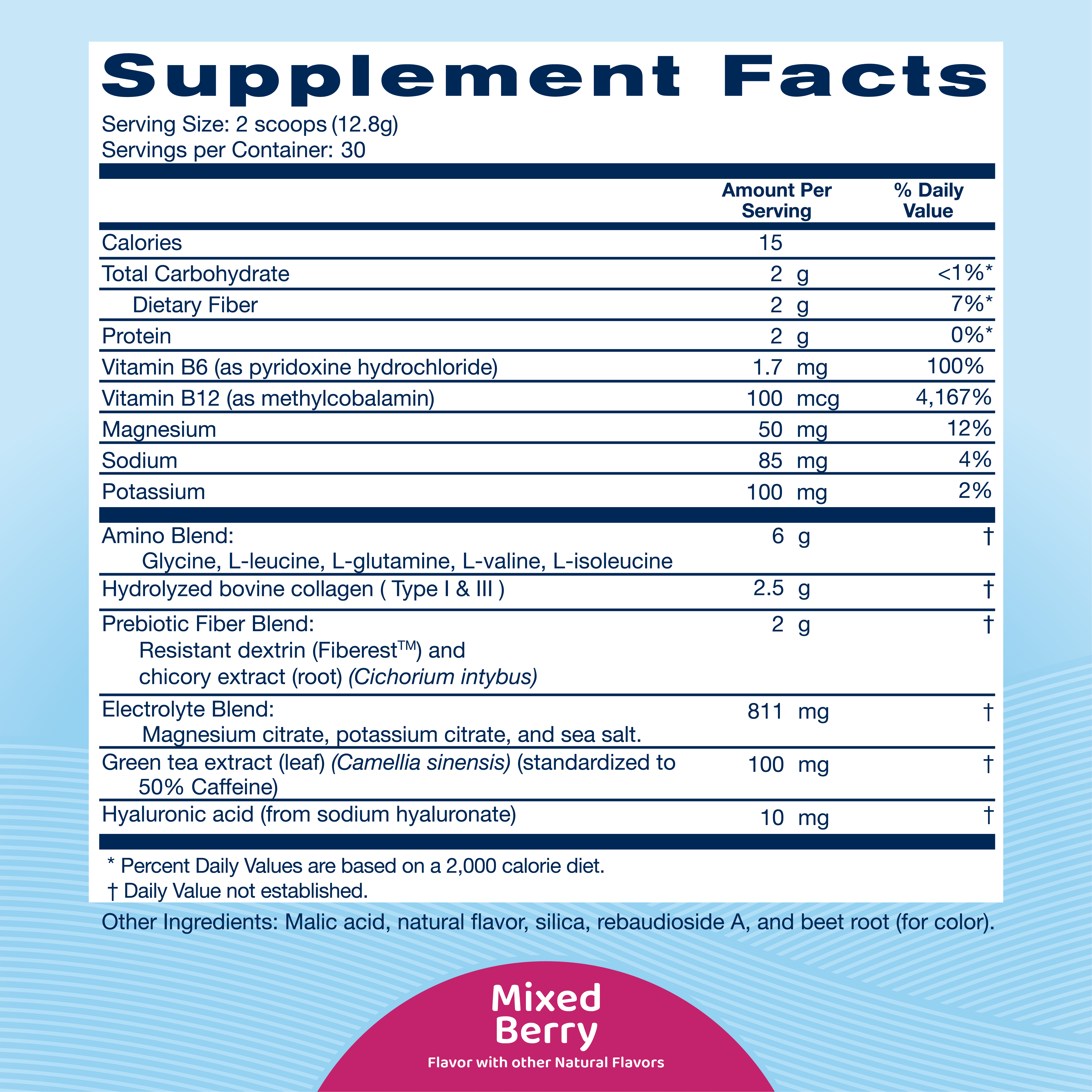
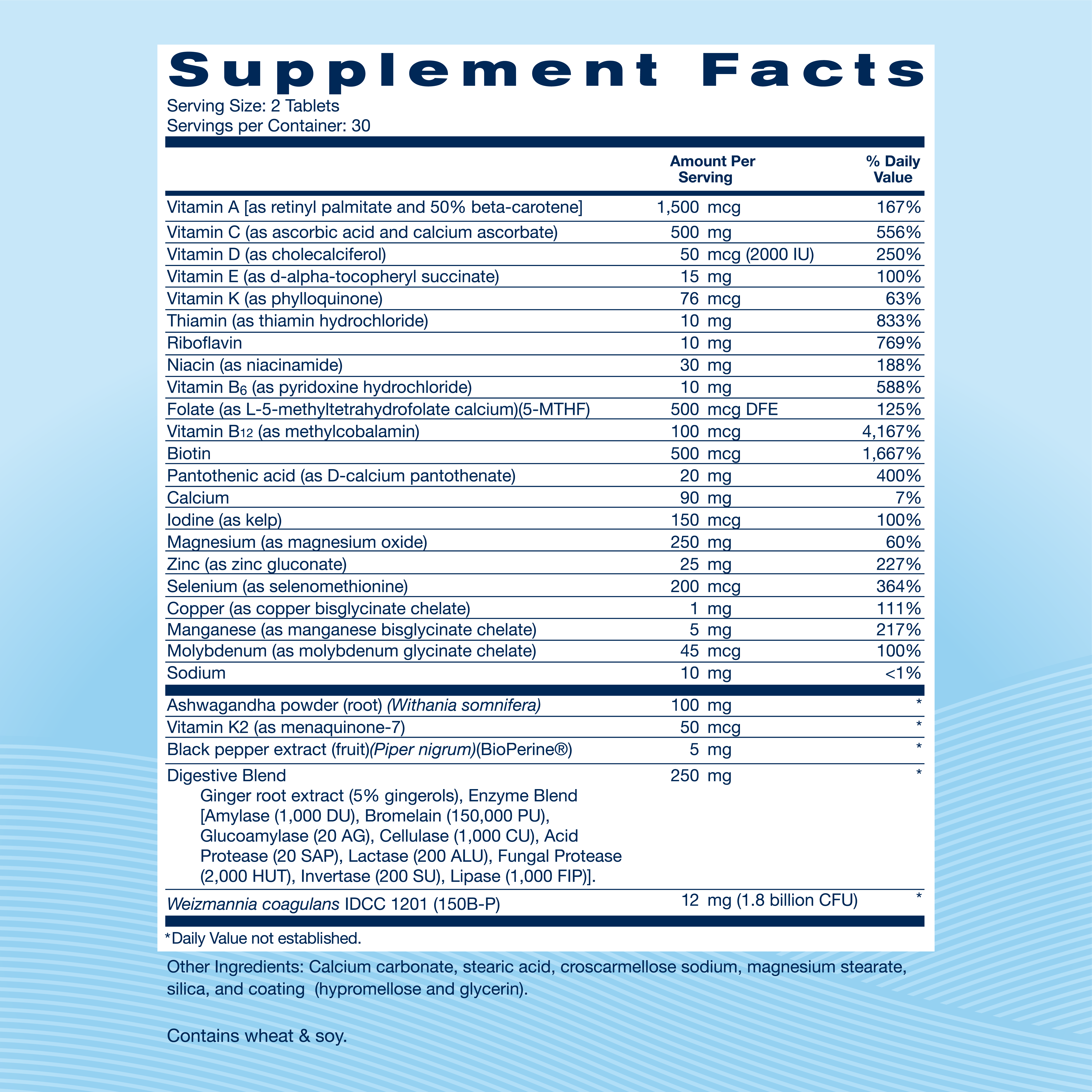
From our perspective at Replenza, the goal is to support your nutrition so your body isn’t constantly playing catch-up. If you’re struggling to cover the basics while your appetite is low, our GLP-1 user supplements can act as general nutritional support, helping fill common gaps while you work on protein, regular meals, and steady routines.
FAQs
Do GLP-1 medications directly cause hair loss?
No. GLP-1 medications do not damage hair follicles, but rapid weight loss while using them can trigger temporary shedding.
Why does hair shedding happen on GLP-1s?
Shedding usually happens due to rapid weight loss and nutritional gaps, which signal hair follicles to temporarily pause growth.
Is GLP-1-related hair loss permanent?
Not necessarily. In most cases, hair shedding is temporary, and regrowth occurs once weight and nutrition stabilize.
When should I worry about hair loss on a GLP-1?
If shedding lasts longer than six months, becomes patchy, or is paired with other symptoms, it’s time to consult a provider.
Can supplements help with hair changes on GLP-1s?
Yes. Supplements that address protein and micronutrient gaps can support healthier hair and skin during GLP-1 therapy.
Sources:
GLP-1 Agonists | Cleveland Clinic
The Truth About GLP-1 Drugs Causing Hair Loss | Forbes