Common Side Effects of GLP-1 Weight Loss Medications
Share
Starting a GLP-1 medication can feel both exciting and uncertain. These treatments have transformed how millions manage weight and blood sugar, but they can also introduce new sensations your body isn’t used to. That’s completely normal.
Our goal at Replenza is to help you feel informed, prepared, and supported every step of the way. GLP-1 medications work by slowing digestion and reducing appetite, powerful changes that can sometimes lead to side effects like nausea, fatigue, or digestive discomfort.
In this guide, we’ll break down the most common GLP-1 side effects, share evidence-based strategies to manage them, and explain how thoughtful nutrition and supplementation can help your body stay balanced.
What Are GLP-1 Medications?
GLP-1 medications (short for glucagon-like peptide-1 receptor agonists) are prescription drugs originally developed to help people manage type 2 diabetes. They work by mimicking a natural hormone in the body that regulates blood sugar, appetite, and digestion.
When GLP-1 levels rise, the body releases insulin, slows stomach emptying, and signals fullness to the brain. The result is lower blood glucose levels and a noticeable reduction in appetite.
Because these medications can significantly suppress appetite, they’ve become increasingly popular for people seeking medical weight management, not just those with diabetes. Clinical studies have shown that GLP-1s like semaglutide, tirzepatide, and liraglutide can lead to substantial weight reduction when combined with healthy lifestyle changes.
Today, GLP-1 medications are among the most prescribed treatments for both obesity and type 2 diabetes, used by millions worldwide. Their impact extends beyond the number on the scale: better blood sugar control, improved heart health markers, and reduced risk for diabetes complications.
As access expands and awareness grows, understanding how these medications work (and how to support your body while taking them) is an essential first step toward a balanced, informed health journey.
Most Common Side Effects of GLP-1 Medications
Like any medication, GLP-1 treatments come with side effects, most of which are mild, temporary, and tend to improve as your body adjusts.
Around 30-50% of users experience side effects during the first few weeks of therapy as appetite, digestion, and metabolism begin to change. Understanding what’s normal helps set expectations and keeps you prepared rather than surprised.
The most common side effects of GLP-1 medications are gastrointestinal, meaning they affect the digestive system. These include:
- Nausea
- Vomiting
- Diarrhea
- Constipation
- Abdominal pain
Other symptoms, such as bloating, heartburn, dizziness, and fatigue, may also occur, especially as dosage increases or your body continues to adapt. While these effects can be uncomfortable, most are manageable with small lifestyle changes, hydration, and communication with your healthcare provider.
Most of these side effects are your body’s way of adjusting to slower digestion and reduced appetite — core effects of how GLP-1s work. With time, the majority of users find that these symptoms fade, allowing them to continue treatment comfortably and safely.
Gastrointestinal Side Effects
Digestive symptoms are the hallmark side effects of GLP-1 medications, and the most common reason people temporarily pause or discontinue treatment. These effects typically appear within the first few weeks or during dose increases, when your body is still adjusting to slower digestion.
While gastrointestinal (GI) discomfort can be frustrating, it’s usually temporary and manageable. Recognizing the patterns, tracking symptoms, and communicating openly with your healthcare provider can help ensure a smoother experience.
Nausea and Vomiting
Nausea is by far the most frequently reported GLP-1 side effect, especially early in treatment. It occurs because GLP-1 medications slow how quickly the stomach empties, causing food to stay in the stomach longer. This can create a sensation of fullness that sometimes leads to queasiness or, in more severe cases, vomiting.
The good news is that these symptoms often improve within a few weeks as your body adjusts. In the meantime, small lifestyle changes can make a big difference:
- Eat smaller, more frequent meals instead of large portions.
- Choose bland, low-fat foods such as crackers, rice, or oatmeal.
- Sip clear fluids slowly throughout the day to stay hydrated.
- Try ginger tea or ginger chews, which may help ease nausea.
- Avoid strong odors, spicy foods, and greasy meals that can trigger symptoms.
If vomiting becomes frequent or you can’t keep fluids down, it’s important to contact your healthcare provider.
Diarrhea and Constipation
GLP-1 medications affect digestion speed, which can swing in both directions: some people experience diarrhea, while others face constipation. Both are common, and both can be managed with a few targeted adjustments.
Diarrhea (experienced by about 30% of users) often occurs in the early phase of treatment as digestion accelerates.
- Stay well hydrated to replace lost fluids and electrolytes.
- Temporarily reduce dairy and high-fat foods if they worsen symptoms.
- Consider a lower-fiber diet for a few days until stools normalize.
Constipation can occur when food moves more slowly through the digestive tract.
- Increase water intake and gradually add soluble fiber (like oats or chia).
- Engage in gentle movement, such as walking, to help stimulate digestion.
- Avoid fiber supplements unless recommended by your provider, as some can worsen bloating.
Persistent diarrhea or constipation that lasts beyond a few weeks should always be discussed with your healthcare provider.
Abdominal Pain and Heartburn
Many GLP-1 users notice mild abdominal discomfort or heartburn, particularly after eating. This happens because slower stomach emptying can cause food and acid to remain in the digestive tract longer, sometimes leading to cramping or reflux.
Most cases are temporary and respond well to simple adjustments:
- Eat smaller portions and chew food thoroughly.
- Avoid fatty, fried, or spicy meals that can trigger reflux.
- Don’t lie down immediately after eating — wait at least two hours.
- Split meals into four to five mini-portions throughout the day to ease digestion.
However, if you experience sudden or severe pain, blood in your stool, persistent vomiting, or yellowing of the skin or eyes, contact your healthcare provider immediately. These may be signs of more serious complications that need urgent care.
Less Common and Rare Side Effects
While gastrointestinal issues are the most common, some GLP-1 users experience other side effects that are generally mild and less frequent. Understanding these helps set realistic expectations and ensures you can recognize when something feels out of the ordinary.
Less Common Side Effects
A smaller percentage of users report experiencing symptoms such as headaches, dizziness, fatigue, mild swelling at injection sites, or temporary vision changes. These effects are typically short-lived and often related to the body’s adjustment to lower blood sugar levels or reduced food intake.
-
Headaches and dizziness: These may occur as blood sugar levels stabilize or as hydration needs increase. Drinking enough water, maintaining balanced meals, and avoiding skipped snacks can help reduce these symptoms.
-
Fatigue: Feeling tired is a common signal that your body is adapting to new eating patterns and energy use. Consistent hydration, adequate protein, and proper sleep can make a meaningful difference.
- Vision changes: Some users notice temporary blurriness when blood sugar levels fluctuate rapidly. This usually resolves on its own, but persistent changes should be reported to a healthcare provider.
Injection Site Reactions
For those using injectable GLP-1 medications, mild redness, swelling, or itching at the injection site can occur.
Rotating injection areas (for example, alternating between the abdomen and thigh) and ensuring the area is clean before injecting can help minimize irritation. These reactions are usually minor and fade within a few days.
“Ozempic Face”
Rapid weight loss can sometimes lead to visible facial volume loss, a change often referred to as “Ozempic face.” This isn’t caused by the medication itself but by a reduction in subcutaneous fat that naturally occurs with significant weight loss.
Staying hydrated, consuming enough protein, and supporting skin elasticity through nutrients such as collagen, vitamin C, and essential minerals can help maintain a healthy, balanced appearance.
Rare Effects
Although uncommon, some users have reported mild hair shedding (seen in about 3% of GLP-1 users), likely due to rapid weight changes or shifts in nutrient intake rather than the medication itself.
Supporting overall nutrition and addressing potential vitamin or mineral gaps can promote hair and skin health throughout your journey.
Serious But Rare Side Effects
While most GLP-1 side effects are mild and temporary, a few rare but serious complications can occur. Recognizing these symptoms early — and acting quickly — can make a critical difference.
If you ever experience sudden, severe, or persistent pain, swelling, difficulty breathing, or major mood changes, contact your healthcare provider or seek emergency care right away.
Pancreatitis
Though rare, inflammation of the pancreas (known as pancreatitis) has been reported in some GLP-1 users. Symptoms include severe upper abdominal pain that may radiate to the back, along with persistent nausea and vomiting. These symptoms can develop suddenly and may worsen after eating.
Pancreatitis is a medical emergency and requires immediate evaluation. While its overall incidence is low, early recognition is essential. If you experience these warning signs, stop your medication and call your healthcare provider immediately.
Gallbladder Issues
GLP-1 medications can occasionally affect gallbladder function, sometimes leading to gallstones or inflammation. Signs of gallbladder problems include pain in the upper right abdomen, bloating, nausea, vomiting, or yellowing of the skin or eyes (jaundice).
These symptoms can develop over time, especially during periods of rapid weight loss. If they appear, your healthcare provider may order an ultrasound or adjust your treatment plan. Prompt reporting helps prevent complications and ensures safe continuation of therapy.
Kidney Problems
Some GLP-1 users have experienced acute kidney injury, often linked to dehydration from vomiting or diarrhea. Early symptoms include reduced urination, swelling in the hands or feet, or confusion. Maintaining proper hydration, especially when side effects like nausea or diarrhea occur, is key to kidney protection.
If you notice decreased urine output or swelling, seek medical attention immediately. Staying well hydrated throughout your GLP-1 journey is one of the simplest ways to lower risk.
Allergic Reactions
Though extremely uncommon, severe allergic reactions (including anaphylaxis or angioedema) can happen with any medication.
Signs may include large hives, facial or throat swelling, trouble breathing, or sudden dizziness. These symptoms require emergency medical care. Call 911 or your local emergency number immediately if they occur.
Mood and Mental Health Changes
Recent studies suggest a possible link between GLP-1 therapy and mood or behavioral changes, though research is ongoing. Some individuals report mood swings, anxiety, or depression, particularly those with a history of mental health conditions.
It’s important to stay mindful of emotional shifts and encourage open communication with trusted family members or caregivers. If you notice changes in mood, motivation, or thoughts of self-harm, contact your healthcare provider right away.
Mental well-being is just as important as physical health, and should always be part of the conversation.
How To Manage and Minimize GLP-1 Side Effects
Most GLP-1 side effects fade as the body adjusts, typically within four to eight weeks of consistent use.
Still, being proactive can make that transition far more comfortable. With a few thoughtful strategies, you can reduce both the frequency and intensity of side effects while helping your body stay nourished and balanced.
At Replenza, our goal is to help you feel supported and confident through every stage of your GLP-1 journey.
Below are three key pillars of side-effect management:
- Dietary and hydration strategies
- Gradual dose adjustments
- Ongoing monitoring and communication
Dietary and Hydration Strategies
Simple shifts in what and how you eat can dramatically ease digestive discomfort. GLP-1 medications slow digestion, which means smaller, gentler meals are easier on your system.
Some practical ways to support your body include:
- Eating smaller, more frequent meals rather than large portions.
- Focusing on bland, low-fat foods such as oatmeal, toast, rice, or chicken broth.
- Avoiding rich, spicy, or heavily scented foods that may trigger nausea.
- Drinking at least 2 liters of water per day to stay hydrated and support kidney function.
- Adding fiber slowly — too much too soon can worsen bloating.
- Replacing lost electrolytes with a balanced supplement or hydration mix if diarrhea occurs.
These habits not only minimize discomfort but also help sustain energy, hydration, and nutrient balance, especially important for people whose appetite is reduced while on medication.
Gradual Dose Adjustments
Starting slowly and following your provider’s titration plan is one of the most effective ways to prevent side effects. GLP-1s are designed to work best when the dose is increased gradually, giving your body time to adapt to changes in appetite and digestion.
Best practices are as follows:
- Begin at the lowest prescribed dose and increase only under medical supervision.
- Allow your body ample time at each dose level before adjusting upward.
- If new or severe symptoms appear after a dose change, pause and consult your provider before continuing.
Think of dose adjustments as a collaborative process, a partnership between you and your healthcare team to find your body’s optimal rhythm.
Monitoring and Communication with Healthcare Providers
Regular, transparent communication with your healthcare team keeps you safe and supported. Even mild symptoms can offer valuable information for your provider to fine-tune your treatment plan.
Stay connected by:
- Reporting any new or worsening side effects as soon as they appear.
- Scheduling routine check-ins to review lab work, hydration status, and nutritional markers.
- Discussing mental and emotional health, since fatigue or mood changes can accompany medication adjustments.
- Keeping a simple symptom log, noting timing, foods, and triggers, to help identify patterns.
Most side effects improve with time, patience, and the right support. By nourishing your body, following your provider’s plan, and staying consistent, you can make your GLP-1 journey smoother — and feel stronger every step of the way.
Long-Term Considerations and Nutritional Support
As GLP-1 medications help with sustained weight loss, your body’s nutritional needs begin to change.
Over time, reduced appetite and slower digestion can make it harder to get all the essential nutrients your body relies on for energy, strength, and recovery. That’s why ongoing nutritional support is so important, especially when it comes to maintaining muscle, skin health, and overall vitality.
Proactive care (through balanced nutrition, supplementation, and regular check-ins) ensures that weight loss remains healthy.
Risk of Nutrient Deficiencies
Because GLP-1 medications reduce how much and how often you eat, it’s common for users to experience nutrient deficiencies, meaning the body doesn’t get enough vitamins or minerals to function optimally. These gaps can develop gradually, especially when calorie intake drops significantly or when nausea makes it difficult to eat nutrient-dense foods.
The nutrients most often affected include:
- Vitamin B12, essential for energy and nerve function
- Vitamin D, vital for bone health and immune support
- Iron, important for oxygen transport and energy metabolism
- Folate and zinc, both linked to cellular repair and metabolism
Deficiencies in these areas can lead to fatigue, hair thinning, dry skin, or weakened immunity over time. Regular lab testing and dietary evaluations are the best ways to stay ahead of these changes.
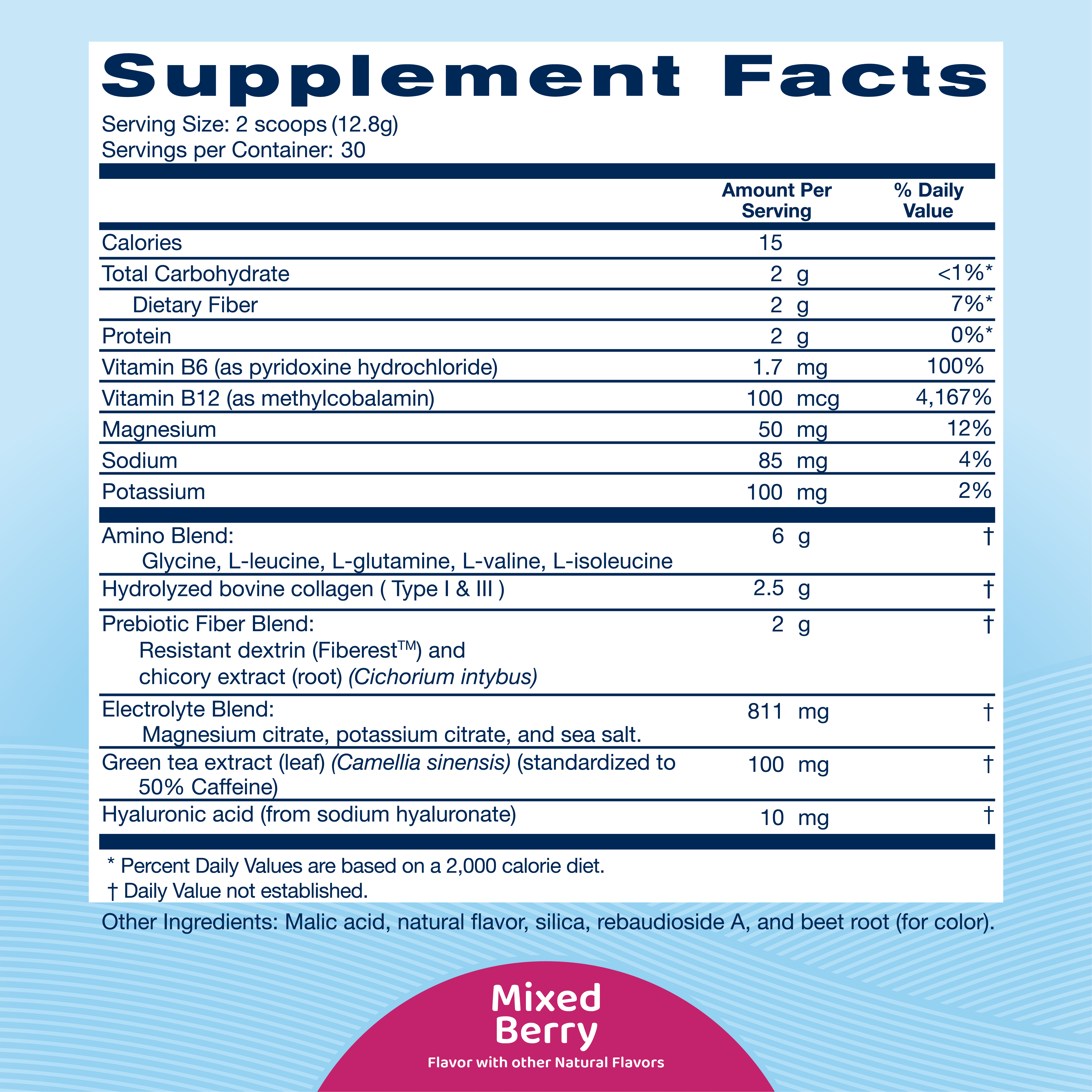
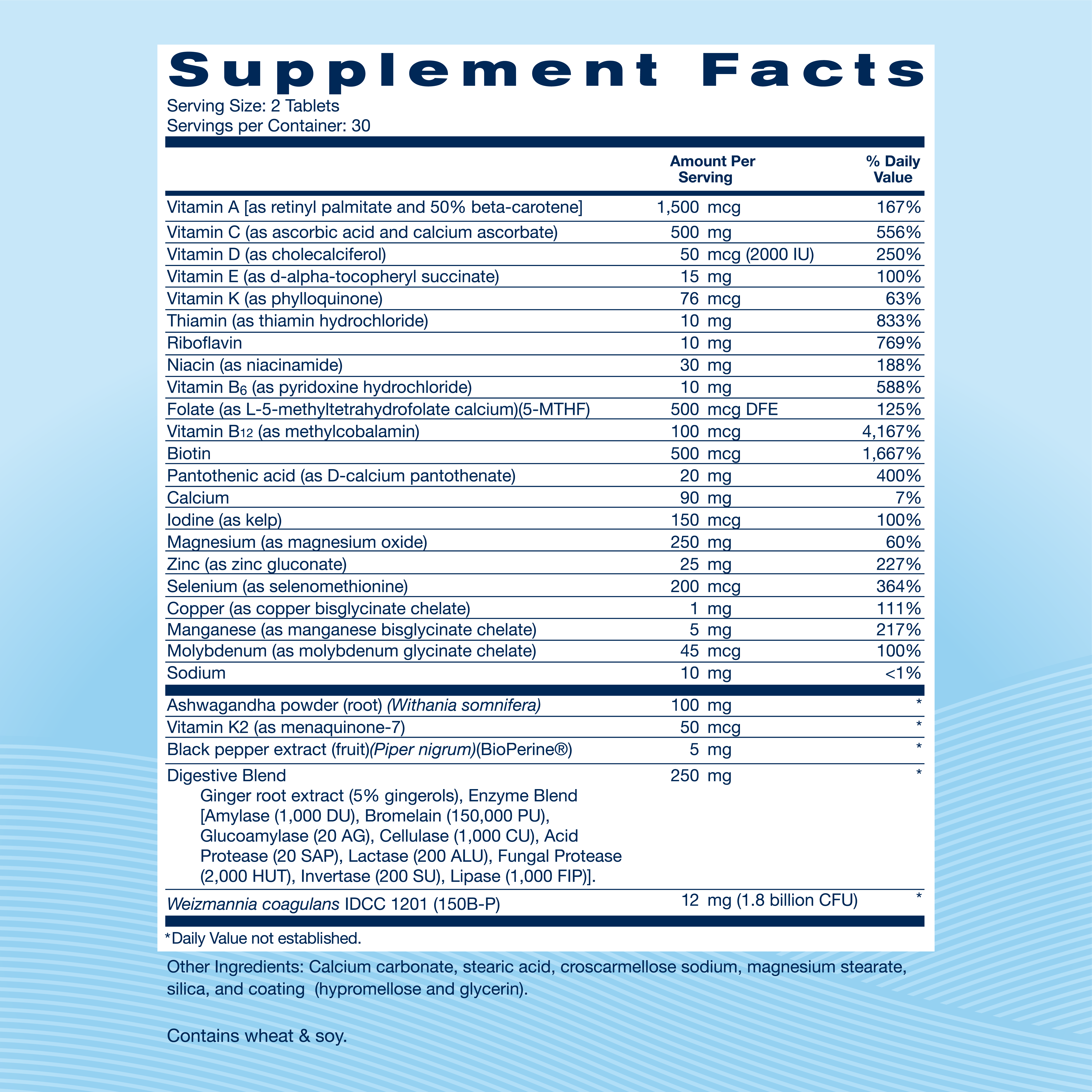
That’s where targeted supplementation comes in. Replenza is physician-formulated for GLP-1 users and designed to help replenish the nutrients that may become depleted during treatment. With a blend of essential vitamins, minerals, probiotics, and amino acids, it supports your body where it needs it most, so you can feel nourished, balanced, and energized throughout your journey.
Muscle Mass and Skin Health Support
While weight loss is a powerful milestone, it often brings changes to body composition. Rapid loss of body fat can sometimes cause muscle atrophy (loss of lean muscle) and a decrease in skin elasticity, leading to sagging.
Supporting muscle and skin health isn’t about vanity, but protecting strength, mobility, and confidence.
Here’s how to help your body stay resilient:
-
Prioritize protein: Include high-quality protein at each meal to maintain lean muscle.
-
Supplement: Look for nutrients like collagen, vitamin C, magnesium, and zinc to promote elasticity and repair.
-
Stay active: Gentle strength training or resistance exercises help preserve muscle tone.
- Hydrate: Water and electrolytes support both skin and tissue integrity.
Replenza was formulated with this balance in mind, combining BCAAs for muscle recovery, multi-collagen peptides for skin support, and essential micronutrients that help your body adapt to weight changes.
When To Seek Medical Attention for GLP-1 Side Effects
Even though most GLP-1 side effects are mild and short-lived, certain symptoms should never be ignored. Knowing when to reach out to your healthcare provider and when to seek emergency care helps keep you safe and ensures prompt treatment if a serious issue develops.
Contact a healthcare provider right away if you experience:
- Sudden, severe abdominal pain that doesn’t improve or radiates to your back
- Persistent vomiting or inability to keep fluids down
- Swelling in the face, hands, or legs
- Yellowing of the skin or eyes (jaundice)
- Severe dizziness, fainting, or confusion
- Blood in your stool or black, tar-like stools
- Severe mood changes, including depression or anxiety
- Signs of an allergic reaction, such as trouble breathing or facial swelling
If you’re ever unsure whether a symptom is serious, err on the side of caution and call your healthcare provider. For any symptom that appears suddenly, worsens quickly, or interferes with daily life, seek immediate medical attention.
The Bottom Line
Most GLP-1 side effects are temporary and manageable with small, consistent habits — gentle meals, steady hydration, and provider-guided dosing. If any symptom is sudden, severe, or persistent, contact your healthcare team promptly.
When you’re ready to support long-term strength and balance, Replenza’s physician-formulated supplement is here to help you stay nourished and confident on your weight loss journey.
FAQs
What are the most common side effects of GLP-1 medications?
The most common side effects are nausea, vomiting, diarrhea, constipation, abdominal pain, bloating, dizziness, and fatigue.
How long do side effects typically last?
Gastrointestinal symptoms usually improve within four to eight weeks as your body adjusts to the medication.
How can I reduce or manage side effects?
You can manage side effects by eating small, frequent meals, staying hydrated, avoiding fatty foods, and gradually increasing fiber intake.
Are there serious risks associated with GLP-1 medications?
Serious but rare risks include pancreatitis, gallbladder issues, allergic reactions, and kidney problems; seek medical care for severe or sudden symptoms.
Who should avoid taking GLP-1 medications?
People with a history of certain thyroid cancers, pancreatitis, severe gastroparesis, or those who are pregnant should avoid GLP-1 medications.
Sources:
GLP-1 Weight Loss Medications: Safety, Diet and Side Effects | PCOM
Thinking about GLP-1 for weight loss? Here's what to know | BSW Health
What Happens When You Stop Taking Weight-Loss Medications? | Houston Methodist
GLP-1 diabetes and weight-loss drug side effects: "Ozempic face" and more | Harvard Health
Semaglutide (oral route) - Side effects & dosage | Mayo Clinic
4 Things to Know Before Trying GLP-1s for Weight Loss | Hartford HealthCare | CT
Glucagon-Like Peptide-1 Receptor Agonists - StatPearls | NCBI Bookshelf
GLP-1 diabetes and weight-loss drug side effects: "Ozempic face" and more | Harvard Health
Semaglutide-associated kidney injury | Clinical Kidney Journal | Oxford Academic