Can Tirzepatide Make You Tired? What May Help
Share
Key Takeaways:
- Tirzepatide-related fatigue is usually temporary, most often appearing during early treatment or dose increases.
- Hydration, balanced nutrition, gentle movement, and sleep optimization are the most effective ways to restore energy.
- Persistent or severe fatigue should always be discussed with a healthcare provider to rule out underlying issues.
Fatigue is one of the most common things people ask about when they begin GLP-1 medications, especially in those first few weeks when everything feels new.
What matters is understanding what’s actually going on under the surface. Here’s what to know about tiredness on GLP-1s, and how Replenza can offer support during your journey.
Does Tirzepatide Cause Fatigue?
Yes, tirzepatide can cause fatigue for some people, though it affects a minority of users overall. Clinical and real-world reports suggest that tiredness occurs in roughly 5-7% of people taking tirzepatide, making it a recognized but not universal side effect.
Fatigue tends to show up most often during the first few weeks of treatment or shortly after a dose increase, when the body is adapting to changes in appetite, digestion, and metabolism.
Why Can Tirzepatide Make You Feel Tired?
Fatigue on tirzepatide is often the result of several changes happening at the same time, especially early on or after a dose increase. Your body is adjusting to new signals around appetite, digestion, and energy use, and that adjustment can feel draining.
Here are the most common reasons people feel tired while taking tirzepatide:
You May Be Eating Less
Tirzepatide reduces appetite and helps you feel full faster, which can make it easy to under-fuel without realizing it. When calorie intake drops quickly, your body may not have enough energy to support normal daily activity, leading to low energy and sluggishness.
Digestive Side Effects
Nausea, vomiting, and diarrhea are common with tirzepatide, especially during dose changes. These symptoms can reduce fluid intake and increase fluid loss, which may lead to dehydration and electrolyte imbalances, both of which are closely linked to fatigue and weakness.
Blood Sugar Shifts
For people using tirzepatide alongside insulin or other diabetes medications, blood sugar can dip lower than expected. Low blood sugar often shows up as sudden tiredness, shakiness, dizziness, or brain fog.
Dose Increases
Each dose escalation triggers a new adjustment phase. During that window, your metabolism, digestion, and appetite signals are all shifting, and it’s common for energy levels to dip temporarily as your system catches up.
Underlying Health Factors
Conditions like anemia, thyroid disorders, poor sleep, or nutrient deficiencies can make medication-related tiredness feel more intense. Tirzepatide doesn’t cause these issues, but it can expose or worsen them if they’re already present.
How Long Does Fatigue Last on Tirzepatide?
Fatigue most often begins during the first few weeks of treatment or after a dose increase and typically peaks within two to four weeks. For most people, energy gradually improves as the body adapts to the medication.
Persistent or worsening fatigue is not expected and should prompt a check-in with a healthcare provider, especially if symptoms interfere with daily life or do not improve over time.
How To Manage Fatigue While Taking Tirzepatide
Managing tirzepatide-related fatigue works best when you support hydration, nutrition, movement, and rest together rather than relying on one fix.
Hydration and Electrolyte Replacement
Dehydration is one of the most common and overlooked causes of fatigue on tirzepatide. Drinking fluids consistently throughout the day and replenishing electrolytes after nausea, vomiting, or diarrhea can significantly improve energy levels.
Monitoring urine color and frequency can help gauge hydration status, with darker urine often signaling the need for more fluids.
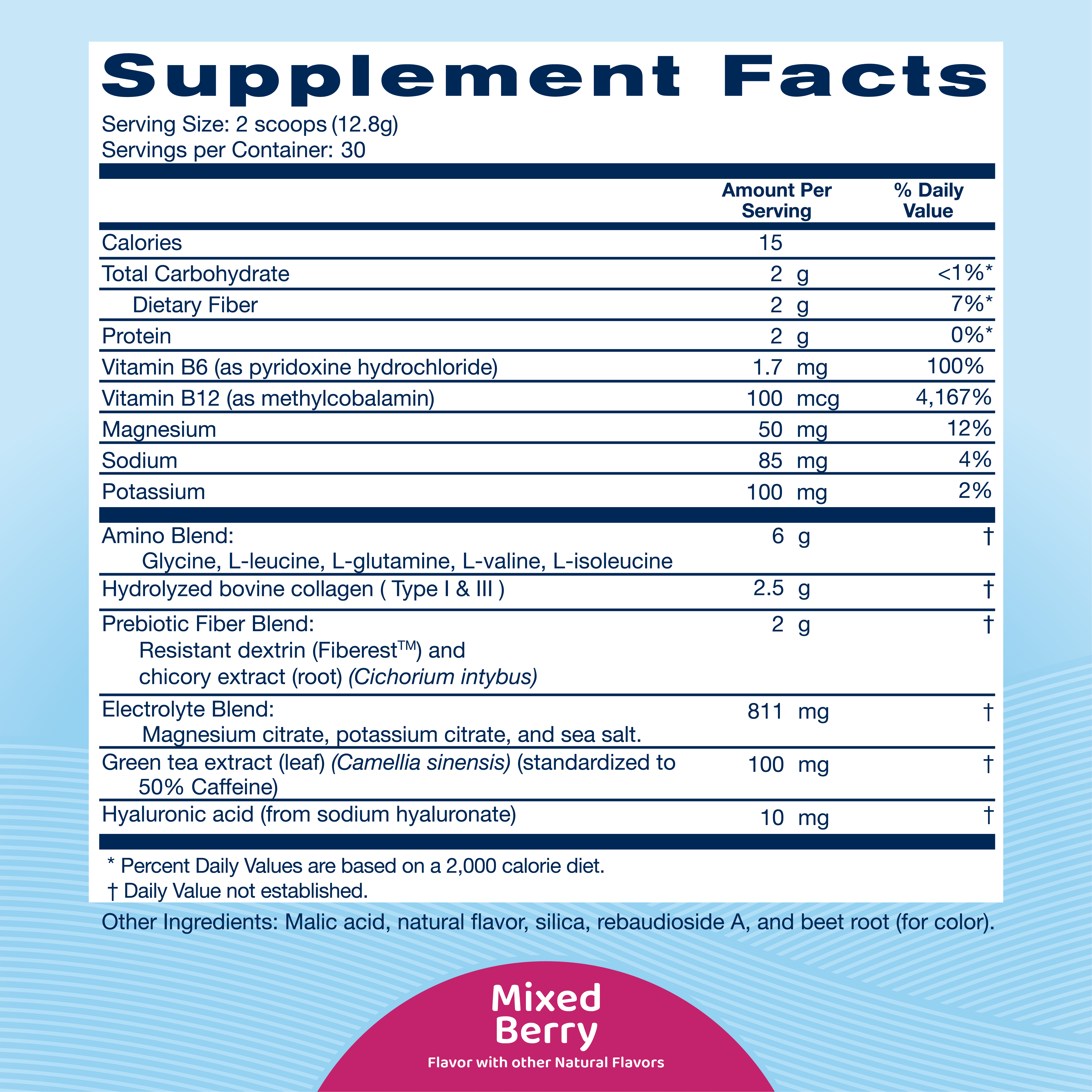
Dehydration occurs when the body does not have enough fluid to function properly and commonly causes fatigue, dizziness, and weakness. Nutritional formulations designed for GLP-1 users can help replenish micronutrients lost during periods of reduced intake or GI symptoms.
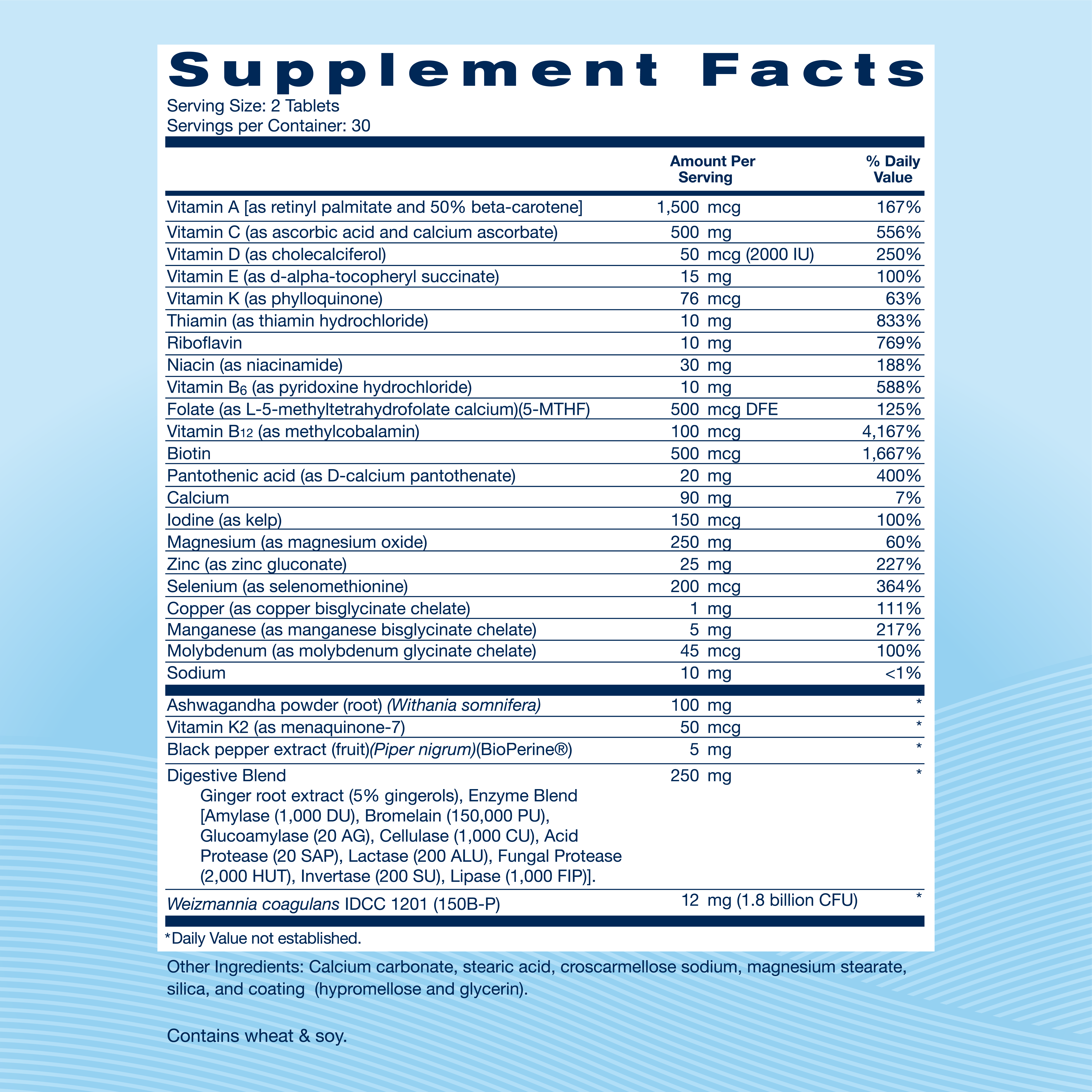
At Replenza, our supplements were built for GLP-1 life. Our Daily Replenisher helps you stay more stable day to day by supporting hydration and electrolytes. Our Daily Nutritional Supplement offers simple nutrition coverage with a daily base layer of key vitamins and minerals to help fill common gaps when smaller portions make it harder to get everything from food.
Balanced Nutrition and Small Meals
Even when appetite is low, skipping meals can worsen fatigue. Small, frequent meals that include protein, complex carbohydrates, and healthy fats help stabilize energy and prevent sharp drops that lead to exhaustion.
On days when nausea is present, choosing easily digestible foods still provides essential nutrients without overwhelming digestion. Because GLP-1 medications can contribute to nutrient gaps over time, targeted supplementation plays an important supporting role in maintaining energy and recovery.
Gradual Physical Activity
While it may feel counterintuitive, light movement often improves fatigue rather than worsening it. Gentle activities such as walking or stretching support circulation, digestion, and mood, all of which help regulate energy levels.
Starting slowly and increasing activity as tolerated is especially important during early treatment or dose escalation periods.
Optimizing Sleep and Rest
Sleep quality directly affects how tired tirzepatide users feel during the day. Maintaining a regular sleep schedule, limiting late-night screen use, and creating a calming bedtime routine can significantly reduce daytime fatigue.
If tiredness persists despite adequate sleep, screening for sleep disorders is important, as conditions like sleep apnea are common in weight-management populations.
Blood Glucose Monitoring
For individuals with diabetes, monitoring blood sugar closely is critical. Hypoglycemia is a preventable cause of severe fatigue and can occur when tirzepatide is combined with other glucose-lowering medications.
Hypoglycemia occurs when blood sugar drops below normal levels and often causes fatigue, sweating, shakiness, confusion, and dizziness. Adjusting medication timing or doses with a healthcare provider can reduce this risk.
When To Seek Medical Advice for Fatigue on Tirzepatide
You should contact a healthcare provider if fatigue is severe, persistent, or worsening, or if it comes with symptoms such as dizziness, vision changes, reduced urination, or confusion.
Medical evaluation may include checking blood glucose, electrolytes, hemoglobin, and thyroid function to rule out reversible causes. While most cases improve, pushing through alarming symptoms is not recommended.
Wrapping Up
For a lot of people, tiredness on GLP-1s comes down to a few predictable things: you’re eating less than you think, you’re not getting enough protein, and your body is adapting to fast weight loss and blood-sugar shifts. Add in nausea, smaller meals, and occasional constipation, and fatigue isn’t surprising.
Aim for steady protein across the day, don’t let calories drop to the floor, and treat hydration like a non-negotiable. If you’re lightheaded, headache-y, or dragging in the afternoon, it’s often a fluids and electrolytes issue. If you’re sore, weak, or “flat,” it can be protein and overall intake.
This is where Replenza can help in a practical way. Daily Replenisher supports hydration and electrolytes when intake is low, and Daily Nutritional Supplement helps cover basic micronutrient gaps when food is inconsistent. When you need some extra support, we have your back.
FAQs
Does everyone taking tirzepatide experience fatigue?
No. Fatigue affects a minority of users, and many people report stable or improved energy as weight and blood sugar control improve.
Why is fatigue more common during dose escalation?
Fatigue is more likely during dose increases because the body is adapting to changes in metabolism, appetite, and digestion.
How can I tell if my fatigue is related to low blood sugar?
Symptoms such as shakiness, sweating, confusion, dizziness, and rapid heart rate alongside fatigue may indicate low blood sugar, which can be confirmed through glucose monitoring.
What are practical tips to manage fatigue at home?
Staying hydrated, eating balanced small meals, prioritizing sleep, engaging in gentle movement, and monitoring blood sugar if applicable can all help reduce fatigue.
Can fatigue persist long term while on tirzepatide?
For most people, fatigue improves within a few weeks. Persistent or worsening tiredness should be evaluated by a healthcare provider to rule out other causes.
Sources:
Tirzepatide Reduces Appetite, Energy Intake, and Fat Mass in People With Type 2 Diabetes | PMC
18 Possible Side Effects of Tirzepatide (Mounjaro, Zepbound) | GoodRx
Hypoglycemia following the use of glucagon-like peptide-1 receptor agonists | PMC