Best Light Breakfasts for People Using GLP-1 Medications
Share
Key Takeaways:
- Light breakfasts work best on GLP-1s when protein comes first, and portions stay manageable.
- Pairing protein with fiber and healthy fats supports fullness without triggering digestive discomfort.
- When appetite is low, nutrient-dense foods and targeted supplements help fill the gaps consistently.
If you’re on a GLP-1 medication, breakfast can be tough. You may not feel hungry, heavy foods can worsen nausea, and skipping breakfast can leave you tired, lightheaded, or overly hungry later.
At Replenza, the goal isn’t a “perfect” breakfast — it’s to focus on a light, protein-forward start that’s easy to digest. Smaller portions with high-value nutrients can support fullness, muscle maintenance, and steady energy without overwhelming your system.
A few simple, reliable options can help you feel nourished and comfortable, even on low-appetite mornings. Below are some of the best light breakfast choices for GLP-1 users, starting with protein-first options.
1. Cottage Cheese for Protein and Satiety
If you want the most protein with the least effort, cottage cheese is hard to beat. One cup of low-fat cottage cheese delivers around 24 grams of protein for roughly 180 calories, which makes it especially helpful when your appetite is smaller but your nutrient needs haven’t changed.
Cottage cheese is a fresh, mild-flavored cheese rich in casein protein, a slow-digesting protein that helps you stay full longer and reduces mid-morning hunger. That slower digestion pairs well with GLP-1 medications, which already slow gastric emptying.
To keep it light and easy, try cottage cheese with berries, a sprinkle of nuts or seeds, or a drizzle of honey if sweetness sounds appealing.
2. Greek Yogurt With Probiotics and Fiber
Greek yogurt is another breakfast staple that works especially well for GLP-1 users. Because it’s strained, it contains more protein than regular yogurt, which helps support satiety and muscle maintenance even when portions are small.
It also contains probiotics, which are live microorganisms that support digestive health. That matters when GLP-1 medications can sometimes disrupt gut comfort early on.
For a balanced bowl, add berries for fiber, chia seeds for texture, or a small handful of nuts for healthy fats. The result is a creamy, protein-forward breakfast that feels light but still holds you over.
3. Oatmeal for Sustained Energy and Digestive Health
Oatmeal is a great option when you want something warm, gentle, and grounding. Oats are rich in beta-glucan, a soluble fiber that helps stabilize blood sugar and support digestive regularity.
Beta-glucan slows digestion in a helpful way, which can smooth energy levels and reduce blood sugar swings, both of which are useful when appetite is unpredictable on GLP-1s.
To keep oatmeal GLP-1-friendly, focus on smaller portions and build it up with protein and micronutrients. Preparing it with plant-based milk and topping it with berries, pumpkin seeds, or a spoon of yogurt keeps it balanced without making it heavy.
4. Protein Shakes and Smoothies for Quick Nutrition
On mornings when solid food sounds like too much, protein shakes and smoothies can be a lifesaver. They’re easy to sip, customizable, and quick to digest, making them especially helpful during early GLP-1 adjustment phases.
Adding protein powder increases fullness and helps reduce hunger later in the day. Protein powder is a concentrated source of protein, commonly made from whey, soy, or plant sources, designed to supplement daily intake.
For the best balance, blend protein powder with leafy greens, berries, and a non-dairy base like almond milk to keep the smoothie nutrient-dense.
5. Chia Seeds as a Fiber and Omega-3 Boost
Chia seeds punch far above their weight. Just one ounce provides nearly 10 grams of fiber and a rich dose of omega-3 fatty acids, which support fullness, digestion, and overall metabolic health.
Omega-3 fatty acids are essential fats that support heart and brain health and must come from food. Combined with fiber, they help create a slow, steady digestive process that works well alongside GLP-1 medications.
Stir chia seeds into yogurt, smoothies, or oatmeal, or soak them overnight for a simple chia pudding that feels light but keeps you satisfied.
6. Fresh Fruit Salad for Hydration and Antioxidants
Some mornings call for something fresh, crisp, and hydrating. A fruit salad fits that moment perfectly, especially when appetite is low.
Fruits deliver water, fiber, vitamins, and antioxidants, offering a light energy boost without heaviness or added sugars. Berries, melon, and citrus are especially refreshing and easy to digest.
To make fruit salad more filling, pair it with cottage cheese or Greek yogurt to add some protein.
7. Egg-Based Dishes for Balanced Protein and Healthy Fats
Eggs offer high-quality protein and healthy fats that support satiety and metabolic health. For GLP-1 users, egg-based breakfasts work best when portions stay moderate and preparation stays simple.
Scrambles, omelets, or muffin-tin egg cups can be loaded with non-starchy vegetables like spinach, mushrooms, or peppers to add nutrients without bulk. Most people without cholesterol concerns can safely enjoy one to two eggs daily, while those with high cholesterol should check with their provider.
Pairing eggs with a slice of whole-grain toast or avocado rounds things out without overdoing it.
8. Homemade Muesli With Nuts and Seeds
If you want a no-cook option that still feels intentional, homemade muesli is a solid choice. Muesli is a cold cereal made from raw oats, nuts, seeds, and sometimes dried fruit, typically mixed fresh or soaked.
Unlike many boxed cereals, muesli offers fiber, protein, and healthy fats without added sugars. Layer it with unsweetened yogurt and fruit, or enjoy it with plant-based milk for a balanced, low-effort breakfast.
Because it’s customizable, you can adjust portions and ingredients based on what feels best for your appetite that day.
Replenza: Nutritional Support for GLP-1 Users
Even with smart breakfast choices, GLP-1 medications can make it difficult to consistently meet nutrient needs. Appetite suppression, smaller portions, and food aversions all increase the risk of vitamin and mineral gaps.
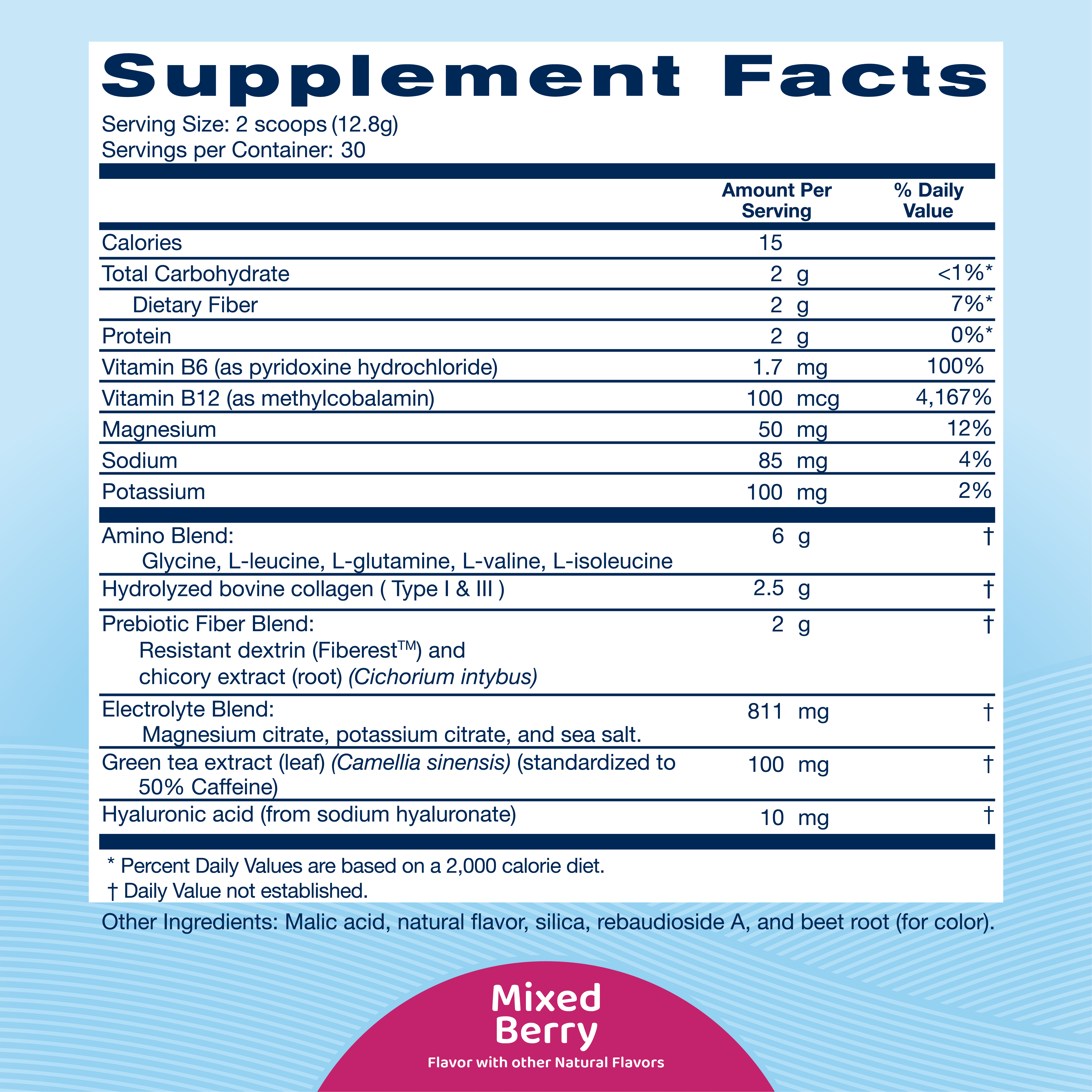
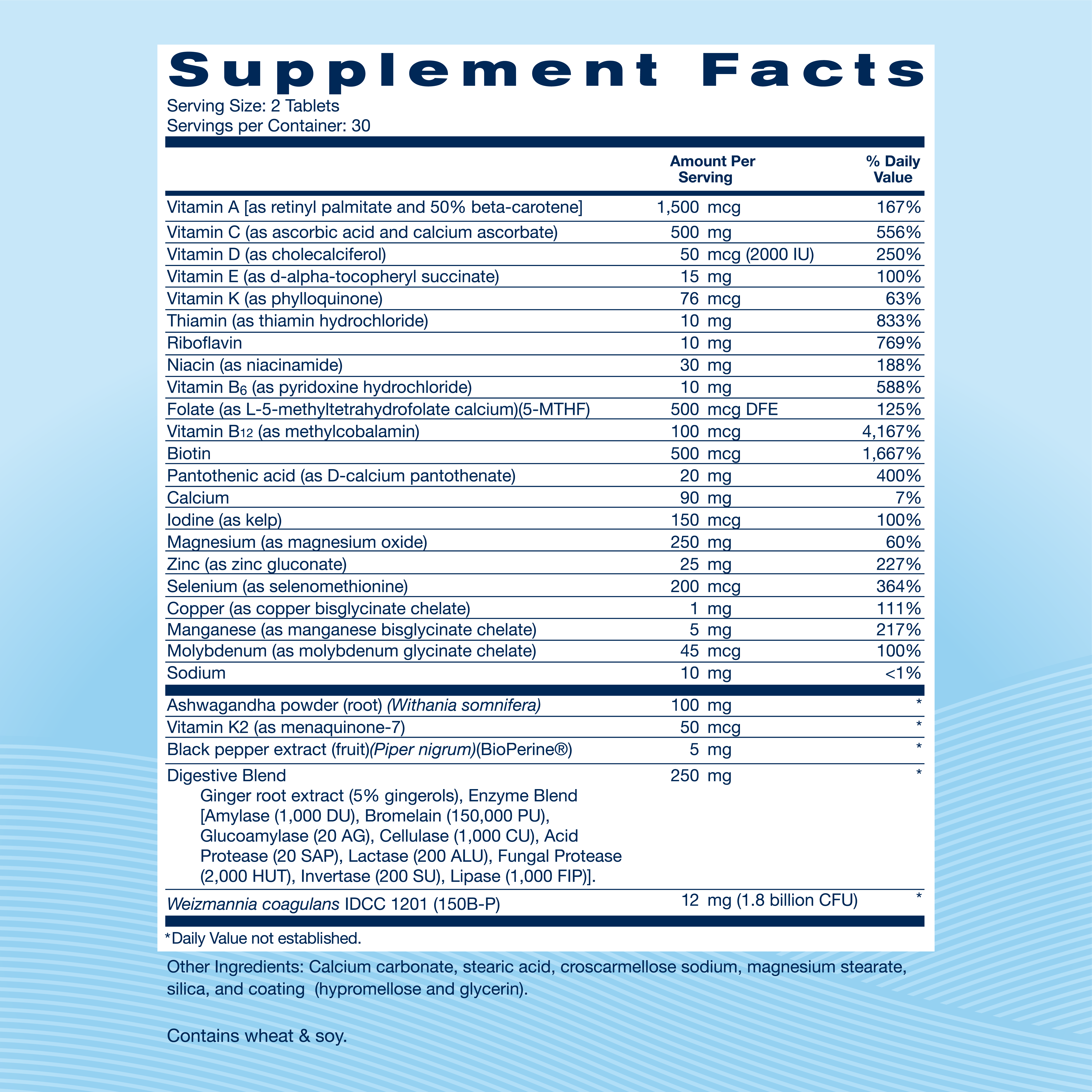
That’s where Replenza fits in. Replenza is an NSF-certified, physician-formulated supplement specifically designed for people using GLP-1 medications. It supports muscle recovery, digestive health, and skin elasticity by replenishing nutrients that are commonly missed during calorie restriction.
Made in the USA, Replenza is non-GMO, gluten-free, and free of artificial sweeteners, and it’s designed to fit easily into your morning routine. Taking our Daily Nutritional Supplement alongside a protein-forward breakfast can help you create a more complete nutritional foundation, especially on days when food intake is lighter than planned.
When breakfast works with your medication instead of against it, mornings feel steadier, energy lasts longer, and your body gets the support it needs to keep moving forward.
FAQs
What defines a light breakfast suitable for GLP-1 medication users?
A light GLP-1-friendly breakfast is small but intentional. It focuses on protein first, adds fiber from fruits or vegetables, and includes a touch of healthy fat to support fullness without overwhelming digestion.
How can I build a balanced light breakfast for energy that actually lasts?
Start with protein like eggs, Greek yogurt, or cottage cheese, then layer in fiber from berries or vegetables, and finish with healthy fats such as nuts or seeds to keep energy steady through the morning.
What are good protein-first breakfast options on GLP-1 treatments?
Great protein-forward choices include cottage cheese with fruit, Greek yogurt bowls, eggs with vegetables, or smoothies made with protein powder, berries, and a gentle liquid base.
Are there vegetarian or plant-based light breakfast alternatives?
Yes. Options like overnight oats with chia seeds, nut butter on whole-grain toast, plant-based protein smoothies, or tofu-based dishes can all work well when portions stay light and balanced.
How can I avoid nausea when eating breakfast on GLP-1 medications?
Keeping portions small, eating slowly, and avoiding greasy or sugary foods can help. Many people feel best with simple, easy-to-digest breakfasts that emphasize protein and fiber.
Sources:
The 12 Best Breakfast Foods to Eat in the Morning | Healthline
Healthy Breakfasts | Johns Hopkins Medicine
β-glucans: a potential source for maintaining gut microbiota and the immune system | PMC