10 Key Facts About Ozempic You Need To Know
Share
Ozempic® (semaglutide) is a once-weekly injection that helps adults with type 2 diabetes lower blood sugar, and many people also notice meaningful weight loss while using it.
Think of it as a helper hormone: it supports insulin when you need it, steadies post-meal spikes, and often makes you feel fuller on less food. That’s why Ozempic sits at the center of today’s conversations about diabetes and weight management.
This guide walks through the key things to know in 2025: how Ozempic works, who it’s for, and some common side effects.
1. GLP-1s Mimic Certain Hormones
Ozempic contains semaglutide, a GLP‑1 (glucagon‑like peptide‑1) receptor agonist administered as a once‑weekly subcutaneous injection. GLP‑1 RAs mimic incretin hormones that regulate glucose and digestion.
GLP-1 tells your pancreas to release insulin when blood sugar is high, and to dial down glucagon, which otherwise raises blood sugar, meaning your post-meal spikes are smoother.
At the same time, GLP-1 signals your stomach to empty more slowly and your brain to feel full sooner, which can naturally reduce portion sizes and snacking. GLP-1 RAs mirror your body’s own meal-time messages, steady the sugar, slow the exit, and turn up the “I’m satisfied” signal so that glucose control and digestion feel more controlled.
2. Ozempic Helps Enhance Insulin Secretion
Ozempic® (semaglutide) helps your body release more insulin when it actually needs it: after you eat and blood sugar rises.
When semaglutide binds to GLP-1 receptors on the pancreas’s beta cells, it boosts a cell messenger called cAMP. That signal activates proteins (often described as the PKA and EPAC pathways) that make beta cells more responsive to glucose and more inclined to release insulin.
Because the effect is glucose-dependent, Ozempic doesn’t stimulate insulin when your blood sugar is normal or low, which helps lower the risk of hypoglycemia compared to some older drugs.
Two additional benefits make this even more effective: first, semaglutide reduces glucagon (a hormone that raises blood sugar) during meals. Second, it slows stomach emptying, allowing glucose to enter the bloodstream more gradually. The result is a smoother post-meal curve with lower peaks and fewer swings.
Over time, this gentler pattern can ease beta-cell burnout. Beta cells aren’t forced to overwork at the wrong times. They’re simply amplified when glucose is high, which is exactly when you want insulin’s help.
3. Ozempic Can Improve Glycemic Markers
Ozempic® can make a real difference in day-to-day blood sugar for adults with type 2 diabetes when it’s used as part of a full care plan.
It’s prescribed to improve glycemic control and is meant to work alongside steady habits like food choices, movement, and follow-ups with your care team.
In studies, Ozempic lowers A1C (the long-term “average blood sugar” marker), helping many people reach their targets when taken as directed. Its heart-related benefits can vary by study and by person, so it’s smart to review your own cardiovascular risk and the latest evidence with your clinician.
4. Weight Loss Is a Secondary Effect
Many people lose weight on Ozempic® as a secondary effect, mostly because it helps you feel full sooner and slows how quickly food leaves your stomach so you naturally eat less.
Results vary, but a common range is about 6-10% of total body weight. Other medicines in this space can differ: tirzepatide (Mounjaro®) often averages ~12-17%, and Zepbound® has shown up to ~21% in some trials. Those differences come from how each drug acts on appetite centers and digestion.
Your response is personal, and the “best” option isn’t one-size-fits-all. It depends on your goals, side-effect tolerance, other health conditions, and what you can access or afford. Talk with your clinician about which medication and dose make sense for you, and pair it with simple habits (like protein, fiber, movement, and sleep) to support steady, sustainable progress.
5. Injections Are Once a Week
Ozempic uses a structured, once‑weekly injection schedule with multiple prefilled pen strengths and gradual titration to balance efficacy and tolerability.
Here’s a simple way to think about Ozempic dosing and injections:
- Once a week, same day. Pick a weekly “shot day” you can stick to so the medicine stays steady in your system.
- Start low, go slow. There are several prefilled pen strengths so your dose can be titrated gradually. Following the schedule your clinician gives helps reduce GI side effects.
- Where to inject. Give the shot under the skin (belly, thigh, or upper arm) and rotate spots to keep your skin happy.
- Follow the basics. Use the pen exactly as shown in your training, and follow the manufacturer/provider instructions for storage, priming, and site care.
6. Ozempic Can Cause Digestive Upset
Gastrointestinal symptoms are the most frequent adverse events. Most users experience these effects early in treatment or after dose increases, and the side effects improve over time.
Common symptom include nausea, vomiting, diarrhea, abdominal pain, and constipation, typically during initial dosing or after escalation.
Talk to your provider about dose adjustments or supportive measures. Many symptoms lessen as the body adapts, and most GI side effects improve over weeks to months. Persistent or severe symptoms are a sign that you should go back to your provider for evaluation and possible modifications to your treatment.
7. GLP-1s Carry Certain Risks
Ozempic does have a few serious safety warnings that call for fast recognition and medical attention. Here’s what to know.
Pancreatitis risk
Pancreatitis is a rare but serious risk with GLP-1 medicines. If you get severe, persistent belly pain (especially if it spreads to your back), seek immediate medical care.
Vision Warning (NAION)
There are early reports of a small risk of NAION, a rare eye condition that can cause sudden, usually painless vision loss. If you notice any abrupt change in vision (blur, dark spot, dimming), get urgent eye care right away.
Intestinal Obstruction Alert
In 2025, the FDA added warning labels about a possible risk of intestinal obstruction with GLP-1 medicines after reports of ongoing GI symptoms and bowel blockages.
If you develop severe belly pain, marked bloating, repeated vomiting, or you can’t pass gas or stool, treat it as urgent and seek immediate medical care.
8. It Is Possible To Plateau on Ozempic
Plateaus can happen on Ozempic, even when you’re doing things right.
Early on, appetite drops and water weight changes make the scale move quickly. Over time, your body adapts: as you weigh less, you burn fewer calories at rest, so the same portions and steps create a smaller deficit. GLP-1 side effects also ease, so it’s easier for portions, snacks, or alcohol to creep back in without you noticing.
Semaglutide slows stomach emptying, but your gut and brain learn that new rhythm, and hunger cues become more predictable. Hormones tied to weight loss (like leptin and thyroid signals) shift, slowing your metabolism down.
You might also move less without meaning to (due to fewer spontaneous steps or shorter workouts), which further trims your daily burn. Constipation, sodium swings, menstrual cycles, and stress can hold extra water and mask fat loss for a week or two.
Medication details matter, too. For example, missed or delayed doses can blunt your momentum. None of this means Ozempic has stopped working; it just means the plan needs a tune-up.
9. Ozempic Differs From Other GLP-1s
Comparing Ozempic to other GLP‑1 and dual‑agonist therapies can help clarify differences in weight outcomes, prescribing trends, and clinical positioning.
Ozempic vs. Wegovy
Wegovy is semaglutide formulated and approved specifically for obesity, while Ozempic's label is for diabetes.
Ozempic vs. Tirzepatide (Mounjaro/Zepbound)
Weight loss tends to be greater with tirzepatide (12-17%) and with Zepbound (up to 21%) versus Ozempic (6-10%). Prescribing trends show shifting preferences toward tirzepatide for weight loss.
Choosing the Right Therapy
Choose your treatment based on efficacy, tolerability, safety signals (GI, vision, obstruction), goals, and practical access factors. Discuss your options with your provider to form the best game plan.
10. Usage of Ozempic Is Increasing
Prescribing and cultural dynamics in 2025 show continued GLP‑1 growth, shifting market share, and the end of an FDA‑declared shortage that affected availability and compounding practices.
Prescription Growth Data
Overall GLP‑1 prescribing rose 12.96% from Dec 2024 to Mar 2025, and semaglutide accounted for 1.29% of all prescriptions with a slight 0.42% decrease in that period.
Cultural Impact and Media Buzz
Celebrity use and media attention have made Ozempic a cultural shorthand for weight loss, increasing public curiosity and demand across medical practices.
The Bottom Line
Ozempic® (semaglutide) can be a powerful tool for adults with type 2 diabetes, and for many, it also brings meaningful weight loss.
Progress isn’t always linear: dose changes, plateaus, and side effects (like nausea or constipation) are normal speed bumps, not stop signs. If weight loss slows, check portions, add strength training, and review dose timing with your clinician.
Keep an eye out for red-flag symptoms like severe abdominal pain and sudden vision changes, and get urgent care when needed.
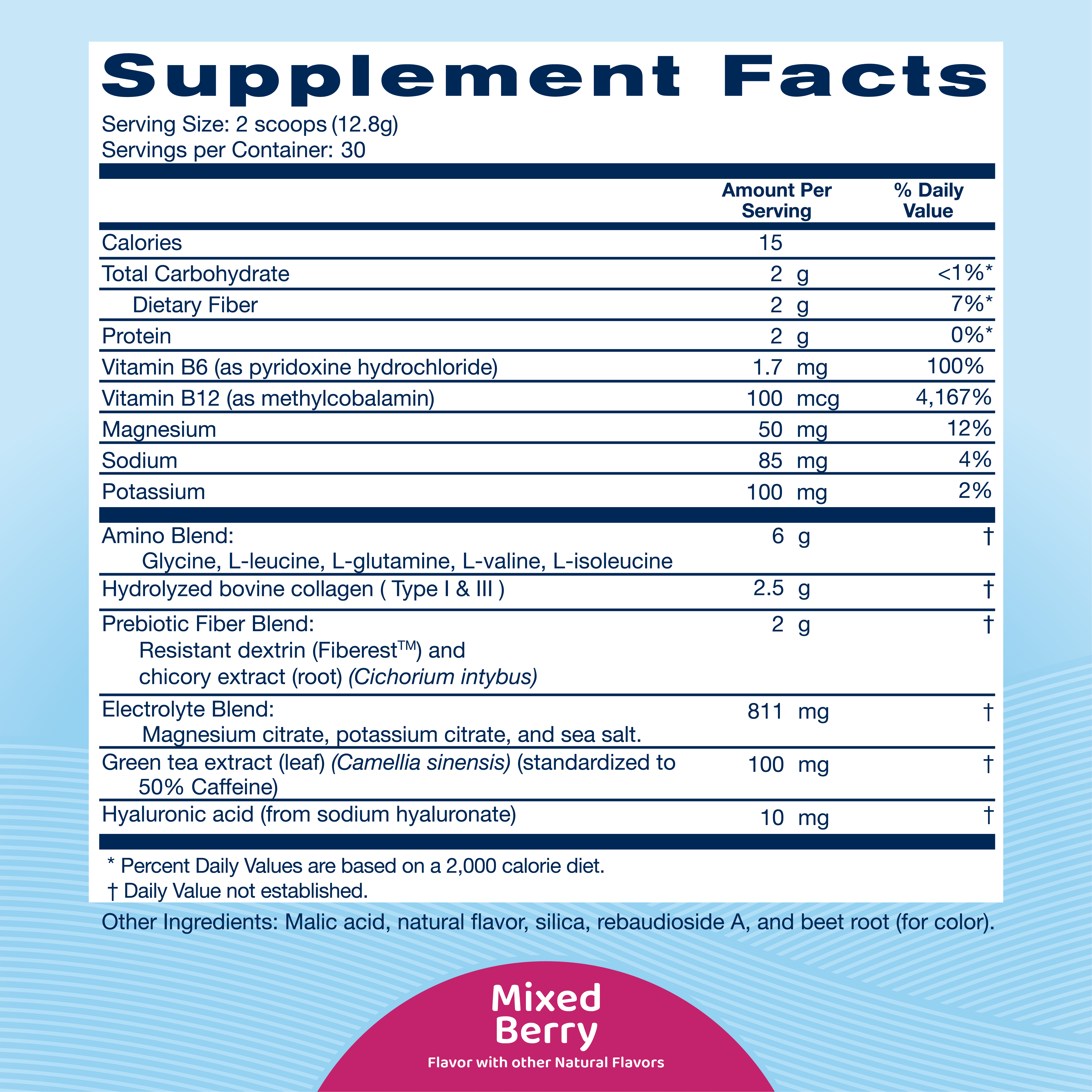
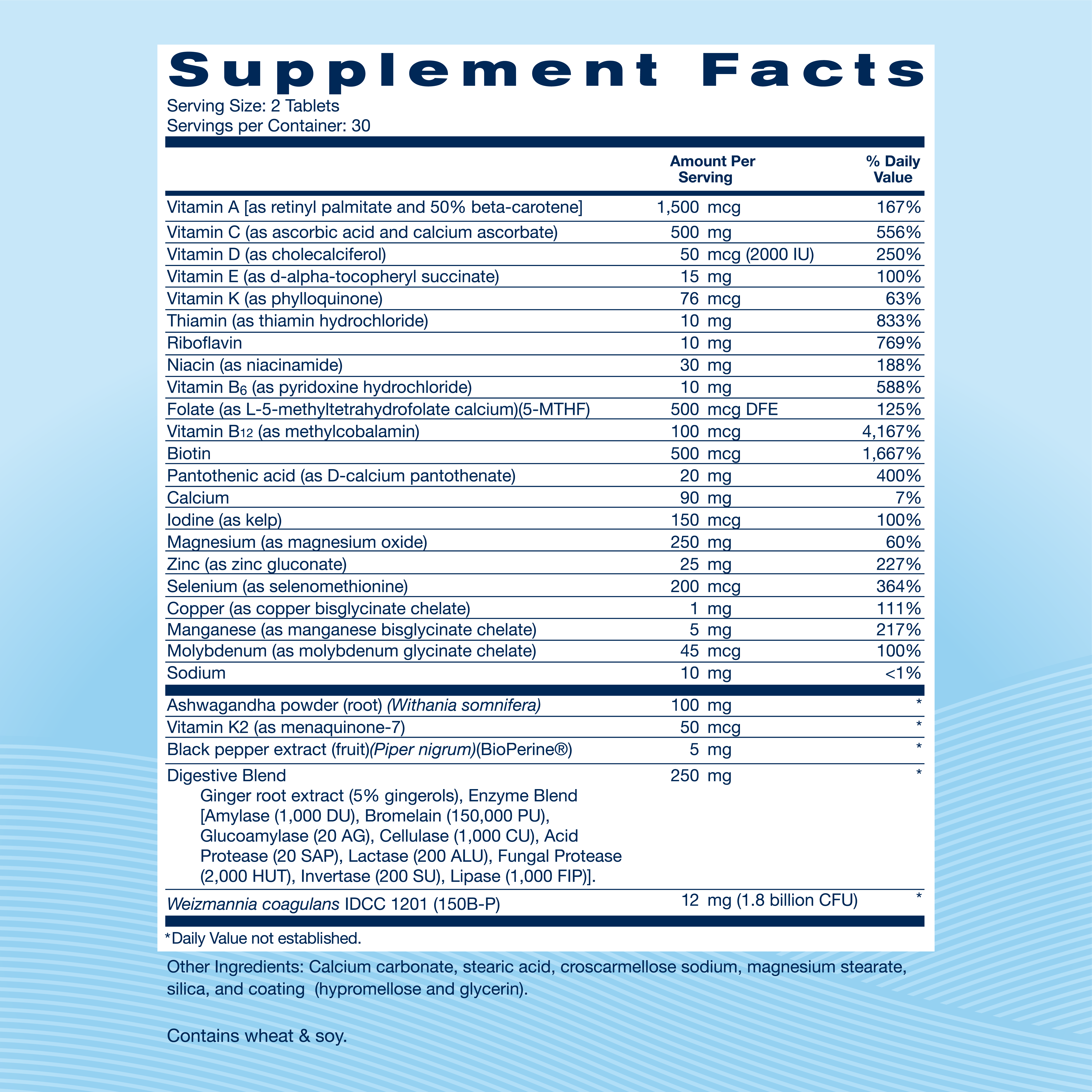
If you’re using a GLP-1, smart nutrition support makes the routine easier. That’s where Replenza can help: a simple nutritional supplement with a Daily Replenisher drink for hydration, prebiotic support, and aminos, plus a Daily Nutritional Supplement with probiotics, enzymes, and broad vitamins and minerals.
It’s a backup plan for days when appetite is low, so you can focus on real food and sustainable habits.
FAQs
How soon will I see results after starting Ozempic?
Many people notice appetite and blood‑sugar changes within weeks; full effects often track with dose increases and individual factors like starting dose and health status.
What should I do if I miss a weekly dose?
Follow your prescription instructions and contact your provider. If you remember within a few days, take the missed dose per guidance, but do not double your doses.
Can I use Ozempic while pregnant or breastfeeding?
Ozempic is not recommended during pregnancy or breastfeeding; discuss alternatives immediately if pregnancy is planned or discovered.
How does Ozempic interact with other diabetes medications?
Ozempic can be combined with other diabetes drugs, but dose adjustments may be needed — particularly when used with insulin or sulfonylureas — to reduce hypoglycemia risk.
What are the options if I experience severe nausea?
Contact your provider. They may adjust your dose, suggest supportive measures, or prescribe antiemetics to improve tolerability.
Does insurance always cover Ozempic?
Coverage varies by plan. If it’s not covered, ask your provider about formulary alternatives, prior authorization, or manufacturer assistance programs.
Sources:
Semaglutide (Ozempic): How It Works & Side Effects | Cleveland Clinic
Glucagon-like peptide-1 receptor: mechanisms and advances in therapy | Nature.com
Beta Cell Dysfunction and Insulin Resistance | PMC
Why Ozempic and Wegovy Don’t Cause Weight Loss for Everyone | Scientific American
Dosing Schedule | Ozempic® (semaglutide) injection | Ozempic
Why Has Ozempic Stopped Working for Weight Loss? (And What Are Your Options?) | Everyone.org
Semaglutide vs Tirzepatide for Weight Loss in Adults With Overweight or Obesity | JAMA
Spending on GLP-1s has grown dramatically. Here are the details. | American Medical Association
Monitoring Report: GLP-1 RA Prescribing Trends – March 2025 Data | medRxIV